Quasi tutte le religioni condannano il suicidio. Perché allora esistono suicidi “rituali”?
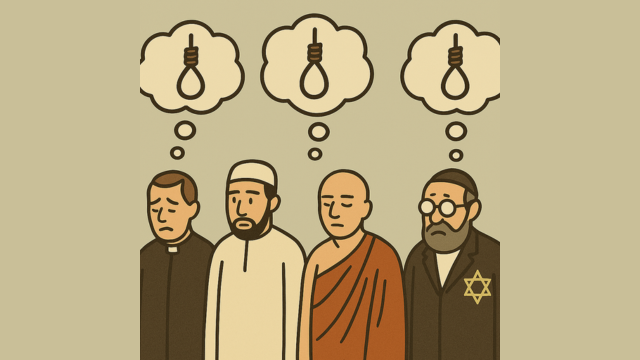

Quasi tutte le religioni condannano il suicidio. Perché allora esistono suicidi “rituali”?
Almost all religions condemn suicide. Why, then, does “ritual” suicide also exist?

While also exploring Christian Science, the greatest modern Canadian painter became an enthusiastic Theosophist.
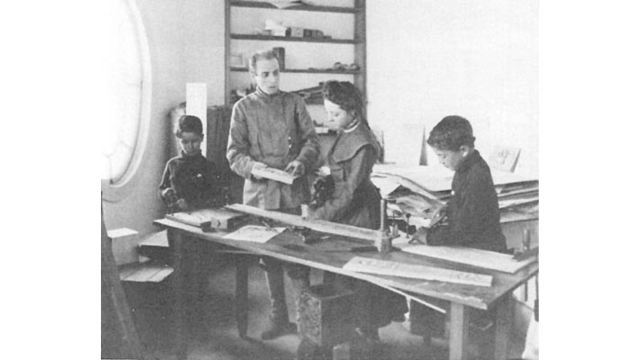
After Blavatsky’s death, the artist joined Katherine Tingley’s Theosophical community in California and became one of its most prominent members.

Some of the works and documents of the most significant early Theosophical painter perished this year when the flames destroyed Altadena’s Theosophical Society. Others survived.
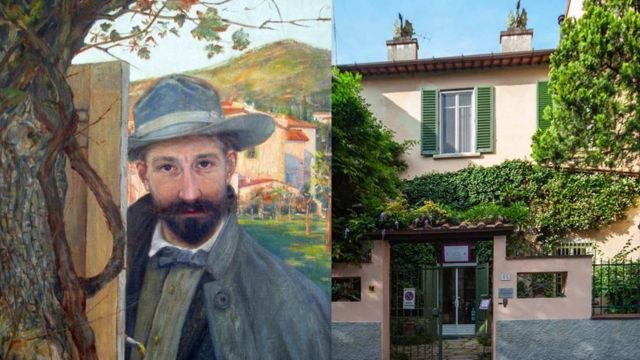
The artist devoted several years to “present the essence of Theosophy in a concise, simple but conclusive form.”
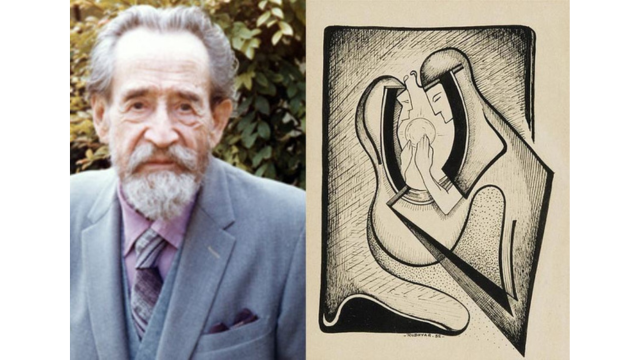
The world-famous astrologer and member of the Theosophical Society was also a gifted painter and participated in significant 20th-century artistic movements.

An exhibition in Espoo, Finland, emphasizes the painter’s Theosophical connections and reveals a secret about her relationship with Blavatsky.
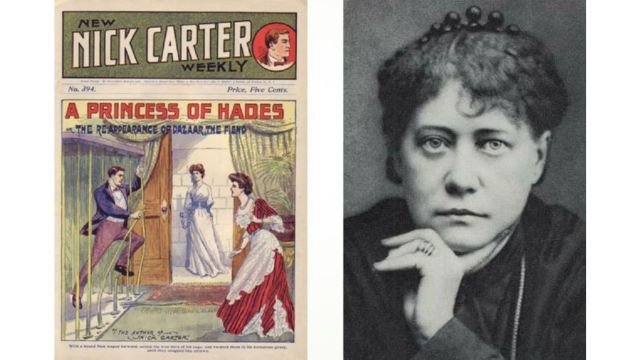
Before the comics, there were the dime novels of the Belle Époque. Rosicrucians, Theosophists, and occultists were among their most memorable characters.

La leggenda di Torino come “città del Diavolo” deriva da memorie ottocentesche ma anche da uno scherzo goliardico della fine degli anni 1960.