Rudnev believed he would find peace in Argentina, but the long arm of anti-cult slander pursued him there as well.
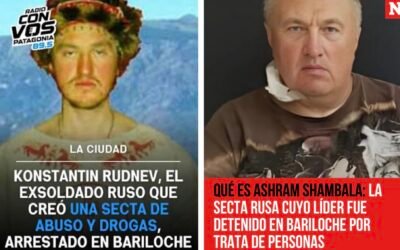

Rudnev believed he would find peace in Argentina, but the long arm of anti-cult slander pursued him there as well.
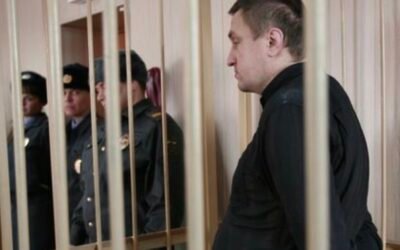
En 2013, Rudnev fue condenado en Novosibirsk y debió cumplir once años de prisión. Persisten numerosas dudas sobre la imparcialidad del juicio.
In 2013, Rudnev was sentenced in Novosibirsk and had to serve eleven years in prison. Many doubts remain about the trial’s fairness.

¿Qué enseñaba Konstantin Rudnev? Un primer intento de reconstruir una cosmovisión compleja y a menudo malinterpretada.
What did Konstantin Rudnev finally teach? A first attempt to reconstruct a complex and often misunderstood worldview.
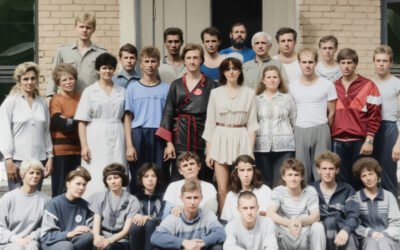
Tras cumplir 11 años en una cárcel rusa, el líder de un movimiento espiritual ruso ha sido arrestado nuevamente en Argentina.
After serving 11 years in a Russian jail, the leader of a Russian spiritual movement has been arrested again in Argentina.
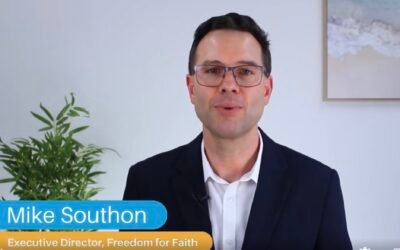
Freedom for Faith’s Mike Southon describes an Inquiry where the word “cult” is so vaguely described that any church can be a “cult.” He suggests abandoning the use of “cult” entirely.

『正論』掲載記事が、安倍晋三元首相暗殺犯・山上徹也とその母親の知られざる事実を明らかにし、反統一教会ナラティブに疑問を突きつける。
An article in “Seiron” reveals unknown details about Shinzo Abe’s assassin and his mother, which run counter to the standard anti-Unification-Church narrative.