“Trafficking + cult” does not function as a descriptive category but as a dangerous signal of contamination.
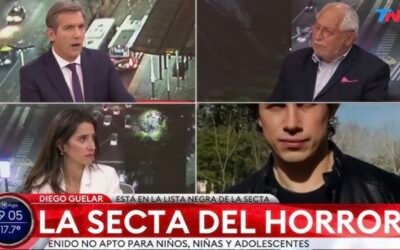

“Trafficking + cult” does not function as a descriptive category but as a dangerous signal of contamination.

福田ますみ氏は、一審での解散命令の決定は、欠点だらけの、時に捏造された「証拠」に基づいていたことを立証する。

Teorías antiguas y desacreditadas de “lavado de cerebro” y retórica antisectas siguen utilizándose contra minorías espirituales.
Old, discredited “brainwashing” theories and anti-cult rhetoric are still used against spiritual minorities.

The new policy offers the anti-cultists an opportunity for a vendetta against one of the remnants of the Olive Tree, one of their main enemies in the 20th century.

不満を抱いた元信者による不確かな証言は、ほとんど検証されることなく受け入れられた。一方、忠実に信仰を守ってきた二世信者たちの証言は、完全に無視された。
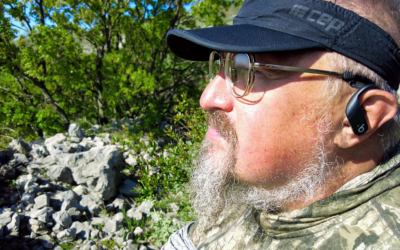
El caso del maestro espiritual ruso no es un hecho aislado. Refleja un mecanismo sistémico mediante el cual las políticas antitrata incorporan narrativas antisectas.
The case of the Russian spiritual master is not isolated. It reflects a systemic mechanism where anti-trafficking policies incorporate anti-cult narratives.
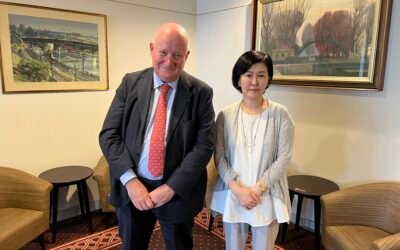
反カルト弁護士とディプログラマーの協力関係を無視して、日本の統一教会問題を理解することはできない。

受賞歴を持つジャーナリスト、福田ますみ氏は、安倍晋三元首相暗殺事件後の旧統一教会に対する日本社会の認識を変え始めている。