Not even one of the women “liberated” by the French police in 2023 admitted she was a “victim.” The Apple TV series ignored them.
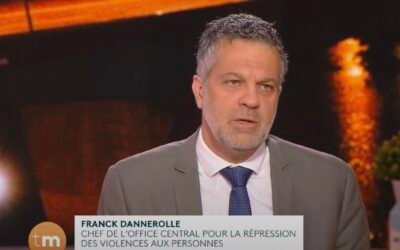

Not even one of the women “liberated” by the French police in 2023 admitted she was a “victim.” The Apple TV series ignored them.

La Cour d’appel d’Aix-en-Provence a déclaré que son refus de publier un droit de réponse de « Non à la Drogue, Oui à la Vie » était illégal.

An exploration of anti-Jesuit polemics reveals a much older genealogy behind today’s campaigns against groups branded as outsiders, manipulators, or “cults.”
The Court of Appeal of Aix-en-Provence stated that its refusal to publish a right of reply from “Non à la Drogue, Oui à la Vie” was unlawful.
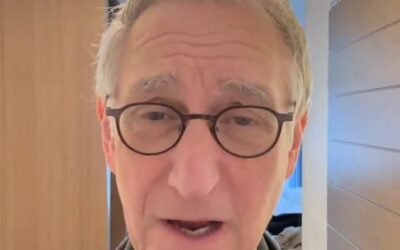
Leading anti-cultist Dr. Cathleen A. Mann expressed her doubts that Hassan was an “expert on cults” and indeed “an expert in anything,” except “Hassanology.”
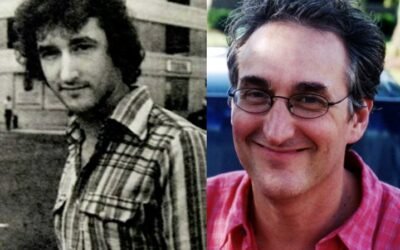
Hassan’s “authority” does not come from academia but from his past as a “cult” member and a deprogrammer.
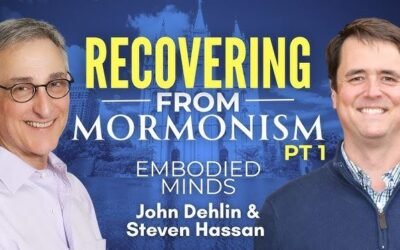
From members of the Church of Jesus Christ of Latter-day Saints to supporters of Donald Trump, all groups Hassan dislikes are identified as “cults.”

The American anti-cultist’s ideology is just the old, discredited “brainwashing” ideology under a new name.

The attempts to put religion under state control in Africa now use “cult” stereotypes imported from France, China, and Japan.

“Trata de personas + secta” no funciona como una categoría descriptiva, sino como una señal peligrosa de contaminación.