Even worse than those who persecute churches and jail their innocent leaders in Korea are those who applaud the persecution.
by Massimo Introvigne
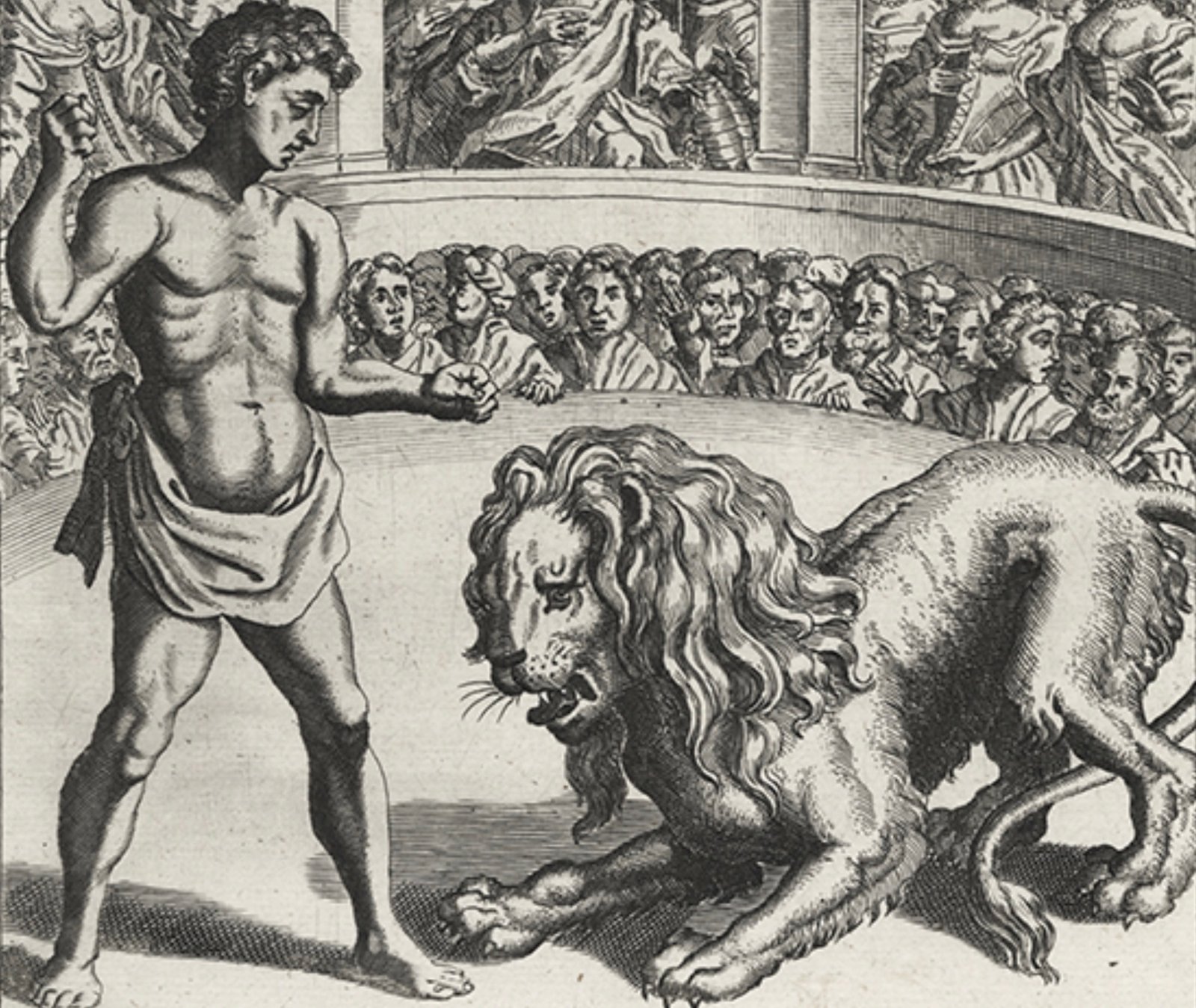
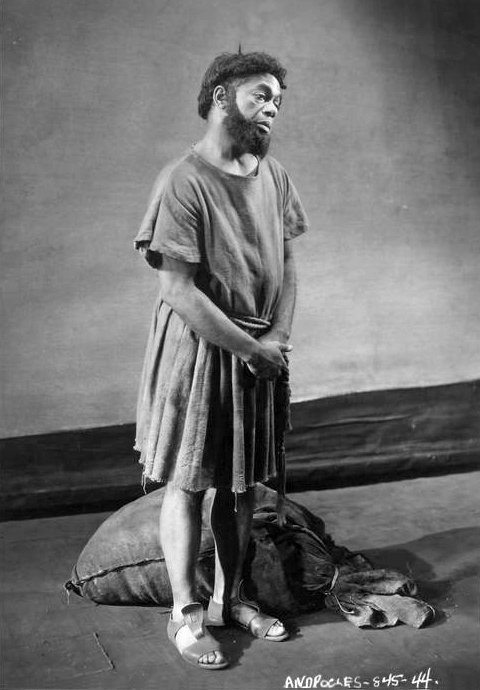
One of the most enduring works of modern Western theater is George Bernard Shaw’s “Androcles and the Lion,” written in 1912. The story is familiar to many Christians: Androcles, a gentle soul persecuted for his faith, is condemned to be torn apart by lions in the Roman Colosseum. His life is spared only because the lion sent to devour him recognizes him as the man who once removed a thorn from its paw.
Shaw’s genius, however, lies not only in retelling this Christian legend but in his portrayal of the audience—the crowd that gathers to watch human beings die as if attending a circus. Among them Shaw singles out, with chilling precision, “the little man who claps his hands and shouts with delight when the Christians are thrown to the lions.”
This “little man” has since become a universal symbol of the cruelty of mediocrity. Wherever power commits injustice, the little man is there—irrelevant on his own, but dangerous in the aggregate. Historians have invoked Shaw’s image to describe the chorus of ordinary, unremarkable supporters who cheered Hitler’s crimes. None of them shaped history, yet together they enabled catastrophe.
Shaw’s play is disturbingly relevant to what is unfolding in Korea today. After the most recent election, a political vendetta has swept across the country, targeting anyone who supported—or is merely suspected of having supported—the conservative party that lost. Religious leaders have been singled out with particular zeal. Son Hyun‑bo, one of Korea’s most respected Protestant pastors, was arrested for allegedly advising his congregation to vote for a conservative candidate.
Meanwhile, a draconian bill is being seriously considered in the National Assembly: a law that would allow the swift dissolution of religious organizations accused of “interfering in politics and elections,” with the added threat of confiscating their assets.
Among the most tragic cases is that of Mother Han, the spiritual leader of the Family Federation for World Peace and Unification, once called the Unification Church. A former executive of her church has been sentenced for illicit political donations—donations which, as it turns out, went not only to the conservative PPP but also to politicians of the progressive party now in power. Prosecutors initially claimed mass voter‑registration manipulation, only to quietly reduce the alleged numbers themselves.
Throughout the proceedings, witness after witness has testified that Mother Han never instructed, approved, or even knew of the executive’s actions. Evidence increasingly suggests he acted to advance his own business interests. Not surprisingly, he claimed otherwise to protect himself. That the judges believed the executive rather than the witnesses is just additional evidence of bias.
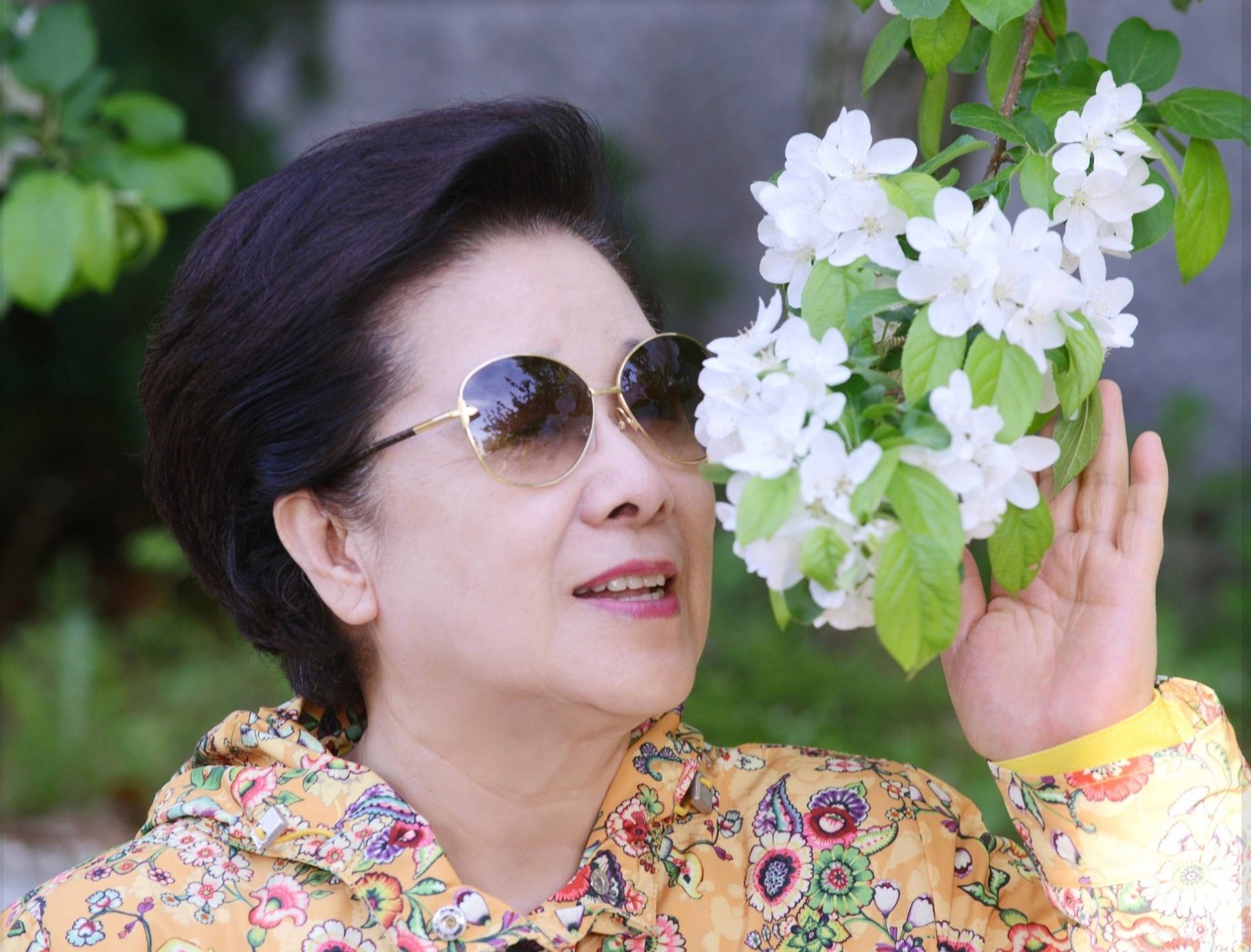
Yet Mother Han—almost 83 years old, nearly blind, wheelchair‑bound—is kept in jail under conditions that would shame any nation claiming to uphold human rights. Observers at the Seoul Central District Court have described scenes no playwright would dare invent—yet a heartbreaking reality. In late January, before an afternoon hearing, attendees in the public corridor learned that Mother Han had collapsed earlier that morning in the restroom. It was not the first fall. Her near‑total blindness makes independent movement impossible. Repeated injuries to her hips and pelvis leave her unable to stand without agony. Damage to her leg cartilage forces her to crawl short distances. She suffers from cardiac arrhythmia, where a single episode could be fatal if help is delayed.
And yet she is deemed a flight risk. On a wheelchair. At eighty‑three. Nearly blind.
She is also kept in jail as prosecutors claim she is capable of destroying evidence—after her homes and church offices have been raided repeatedly and every document, device, and scrap of paper has already been seized.
Like Androcles, Mother Han is being made an example of: a warning to others. “Obey the powers that be—or face the lions.”
But as Shaw understood, the cruelty of the persecutors is only half the story. The other half is the crowd. The little men. Those who “clap their hands and shout with delight” when they see someone—anyone—thrown into the arena.
I was reminded of Shaw’s play when reading a recent op‑ed in “The Korea Times” by Steven Hassan, a former minor member of the Unification Church who later made a career as a deprogrammer—one of those who forcibly “de‑converted” people whose families disapproved of their religious choices. His hostility toward the Unification Church is longstanding. Now, in his eagerness to applaud the prosecution of Mother Han and even the possible dissolution of her church in Korea (and, while he is at it, in Japan), he adopts the familiar posture of Shaw’s little man.
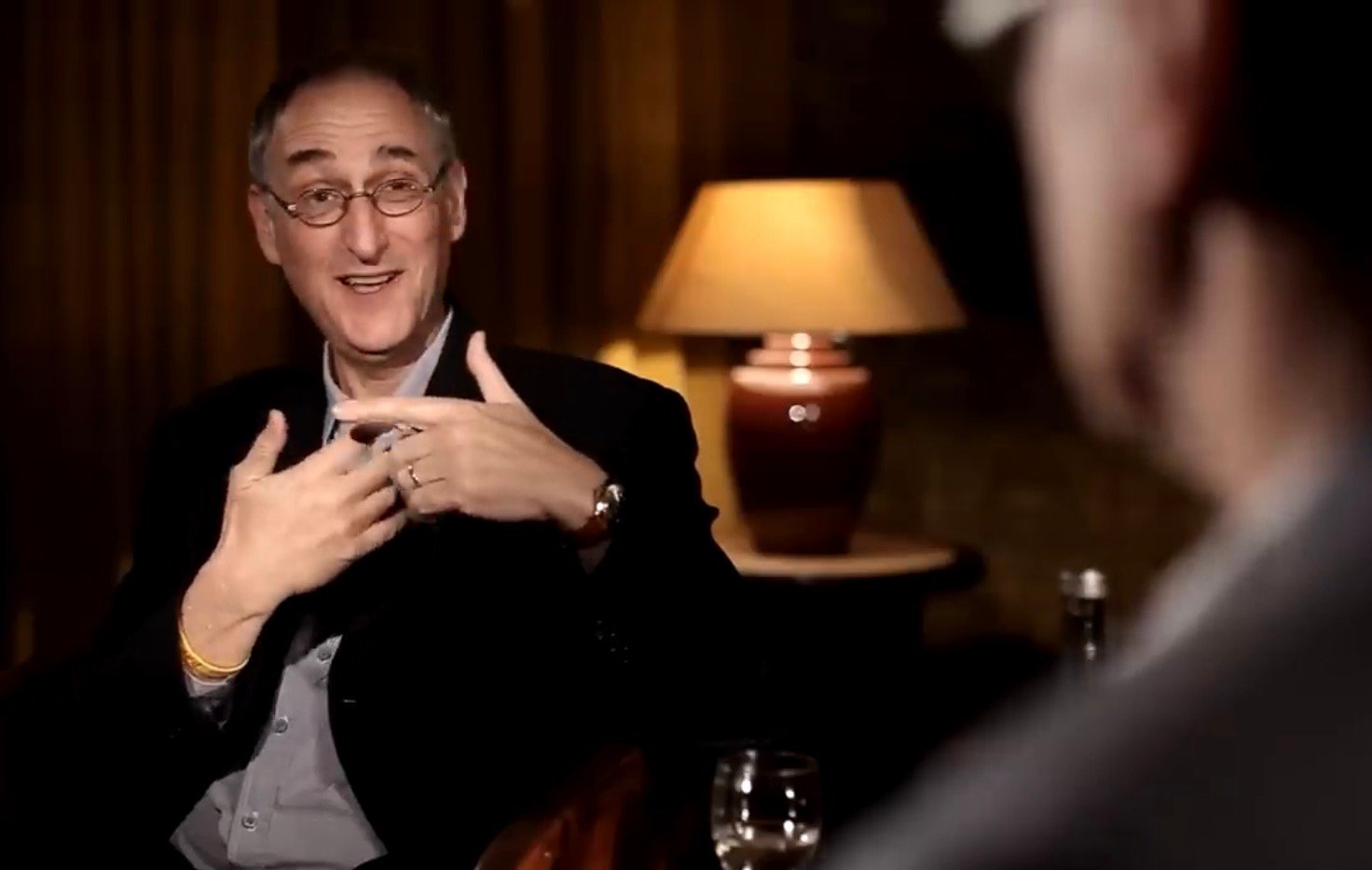
He assures readers that this is justice, not persecution. He waves away the mounting evidence in Mother Han’s favor. He ignores the Korean President’s own statements that he is after “heretical” groups. He shows no concern for the degrading conditions in which an elderly, disabled woman is being held.
But then, neither did Shaw’s little man. The little man never looks too closely. The little man never asks too many questions. The little man simply claps.
Androcles, in Shaw’s play, survives because the lion recognizes compassion. The crowd does not. In the end, the lion turns against the crowd of the little men, who had done nothing to earn its respect.
History is similar. The persecutors and their cheering sections rarely endure in memory. They dissolve into footnotes, forgotten as soon as their usefulness expires. Their names fade. Their imbecile applause echoes only briefly.
But those who suffer with dignity—those who endure persecution without surrendering their humanity—are remembered.
Mother Han, whether one agrees with her theology or not, has spent decades promoting peace, humanitarian relief, and interfaith cooperation. She is revered by thousands around the world as the Mother of Peace. Her legacy will not be determined by the little men who clap today. The little men never matter individually. They are numbers, not names. They are noise, not meaning.
Mother Han, like other spiritual figures who have endured unjust persecution, will be remembered long after the little men have returned to their small lives, their small resentments, and their small applause.
In the Colosseum, the lions eventually stopped listening to the little men. History tends to do the same.

Massimo Introvigne (born June 14, 1955 in Rome) is an Italian sociologist of religions. He is the founder and managing director of the Center for Studies on New Religions (CESNUR), an international network of scholars who study new religious movements. Introvigne is the author of some 70 books and more than 100 articles in the field of sociology of religion. He was the main author of the Enciclopedia delle religioni in Italia (Encyclopedia of Religions in Italy). He is a member of the editorial board for the Interdisciplinary Journal of Research on Religion and of the executive board of University of California Press’ Nova Religio. From January 5 to December 31, 2011, he has served as the “Representative on combating racism, xenophobia and discrimination, with a special focus on discrimination against Christians and members of other religions” of the Organization for Security and Co-operation in Europe (OSCE). From 2012 to 2015 he served as chairperson of the Observatory of Religious Liberty, instituted by the Italian Ministry of Foreign Affairs in order to monitor problems of religious liberty on a worldwide scale.