Despite broad acquittals, the lone conviction for “psychological subjection” risks turning France’s justice system into an arbiter of acceptable spirituality.
by Massimo Introvigne
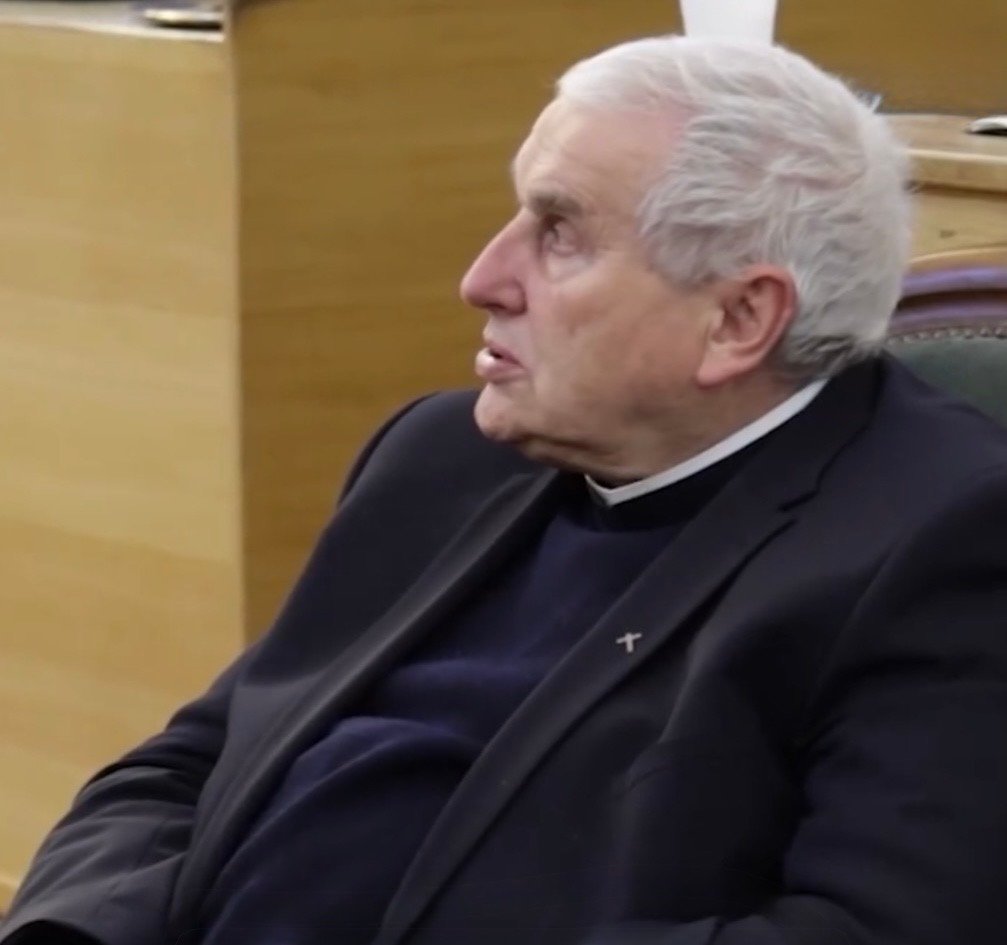
The verdict in the Famille Missionnaire de Notre-Dame (FMND) case arrived in Privas on March 24 with a striking contrast that only French criminal law can produce: a broad acquittal accompanied by a small but serious conviction. Father Bernard Domini, the community’s former leader (he resigned as Superior in February), was cleared of four out of five charges. The FMND itself saw most claims fall apart. However, both were found guilty in one case of what the court labeled “pressures” leading to a loss of judgment—an offense that, depending on the legal jargon of the day, might be called “abuse of weakness,” “psychological subjection,” or, to use the term French prosecutors avoid but everyone else knows, “brainwashing.”
The numbers tell the story. Ninety percent of the accusations disappeared. The prosecutor’s most dramatic demands—a one-year closure of the motherhouse and a five-year ban on ministry for Father Bernard—were deemed excessive and, as the judge noted dryly, better left to church authorities. The court dismissed claims regarding severe living conditions, lack of funds, and members’ ages. It acquitted Father Bernard in four of the five cases. Yet, in one instance, it concluded that the FMND’s limited contact with families, its hierarchical structure, and its discouragement of internal criticism led to a “single way of thinking” capable of altering judgment.
This is the important part of the verdict—not because it reflects the truth about the FMND, but because it sets a precedent. If a court can criminalize a religious community’s internal discipline, its focus on obedience, or its choice to separate from the world, then centuries of monastic life suddenly come under scrutiny as a prosecutable offense. The judge’s reasoning, phrased with caution, relies on the idea that spiritual authority can become criminal manipulation even without violence, sexual misconduct, or financial exploitation. This echoes the concerns that “Bitter Winter” raised on the FMND case in February: the revival of discredited “brainwashing” theories under new names, now backed by the power of criminal law.
The situation becomes even more complicated with the legal backdrop. France’s 2024 law on “psychological subjection” changed what was once a case of abuse of weakness damaging the “victim” into an independent crime. The Senate rejected the bill; the National Assembly narrowly passed it; over sixty senators appealed to the Constitutional Council. Whether the Privas court operated under the old rules or the new, broader ones remains unclear. Regardless, the outcome is the same: a legal system that can interpret religious commitment as evidence of impaired consent.
The complainants described strict discipline, obedience, poverty, and limited external contact. These are not unusual practices. They are the foundations of monastic life, from Benedictine monasteries to Buddhist retreats. Some thrive in such settings; others find they are not called to them. The FMND case illustrates how easily the personal struggles of a few can become a criminal narrative against many. One complainant, who suffered health issues, was recognized as having been harmed, but she had pulled out of the civil case and will not receive compensation. Another received a small award, although Father Bernard was not deemed personally responsible. The rest of the accusations fell flat.
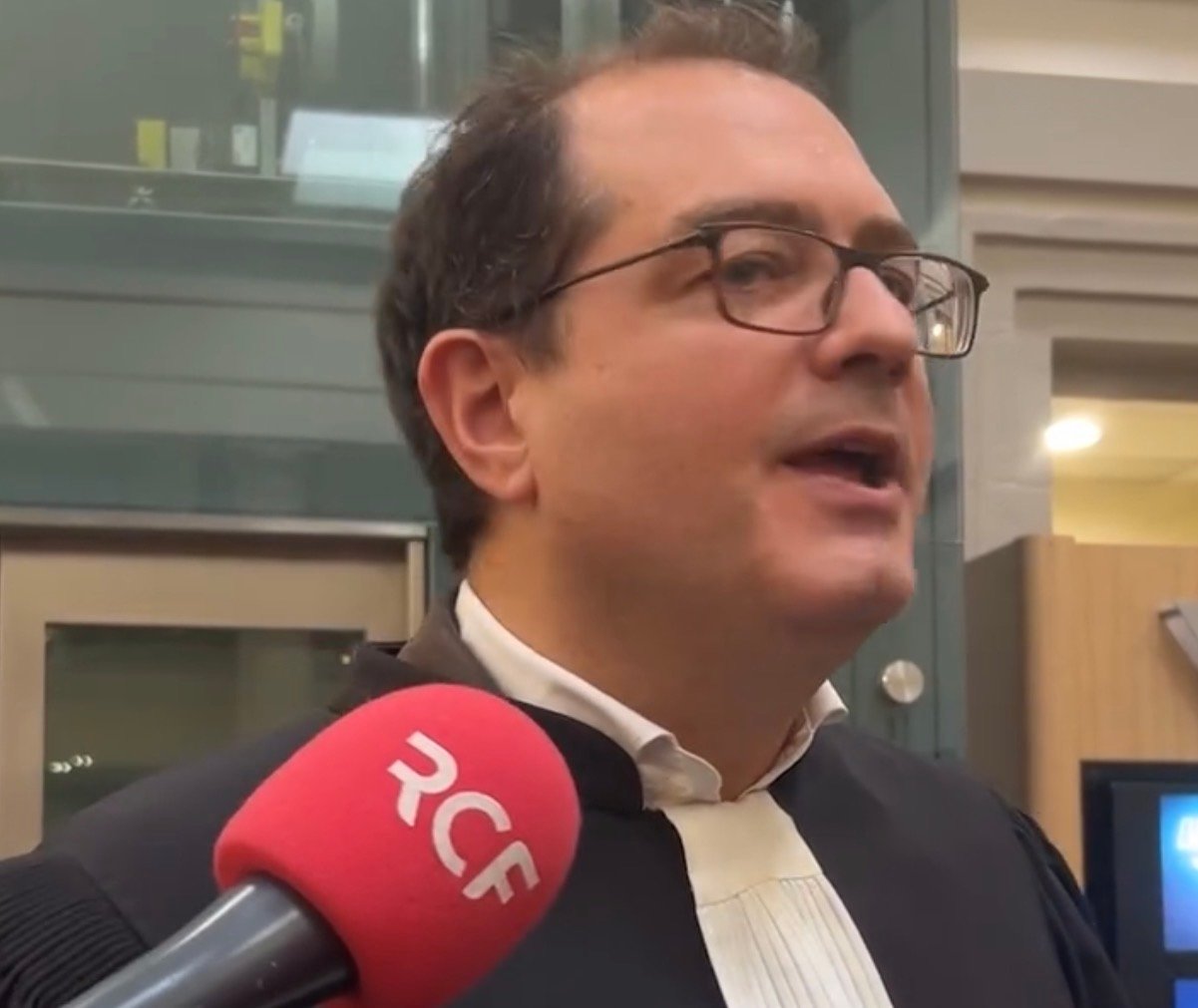
Yet the single conviction is enough to unsettle every demanding religious community in France. If “pressures” and “loss of discernment” can be inferred from the very structure of religious life, then the state assumes the role of determining acceptable spirituality. The court is shifting its focus from actions to inner states, motivations, and the significance of obedience. It is a short leap from there to deciding which forms of religious commitment are acceptable and which are problematic.
This is why the FMND verdict, even in its softened form, is concerning. It shows that the French legal system has adopted a concept of “cultic deviances” so flexible that it can apply to any group whose practices deviate from secular norms. Today it is the FMND. Tomorrow it could be Benedictines, Sufi orders, Buddhist monks, or Hindu ashrams. Once “psychological subjection” is introduced, no one is safe.
Catholic media and some bishops have responded, at best, with uncertainty. Confronted with relentless anti-cult campaigns, parts of the French Catholic establishment seem to have concluded that the safest approach is not to provoke the anti-cult movement—perhaps out of fear, perhaps to settle old scores with conservative groups they find inconvenient. Although the FMND is not among them, some communities quietly sacrificed to the rhetoric of “dérives sectaires” are those connected to the pre-Vatican-II Latin liturgy, even when they fully accept the teachings of the Council. The message is clear: certain Catholics are considered expendable.
This sentiment has not gone unnoticed in Rome. On March 18, Pope Leo XIV wrote to the bishops of France through his Secretary of State, addressing the rise of communities attached to the older form of the liturgy and urging them to think about “concrete solutions that will allow for the generous inclusion of those sincerely attached [to the pre-Vatican II Mass].” The same principle applies to groups like the FMND. A “generous inclusion” is wiser—and more in line with Catholic values—than a harmful alignment with the government’s anti-cult agency MIVILUDES and the anti-cult agenda, which can target any group they dislike for any reason they choose.
The FMND verdict is not the disaster some feared. But it serves as a warning. A single conviction based on one complainant is enough to set a precedent that could trouble religious communities for years. The court may have rejected the prosecution’s most extreme demands, but it has left the door open to a future in which religious life itself comes under suspicion. Once that door is open, it is very hard to close.
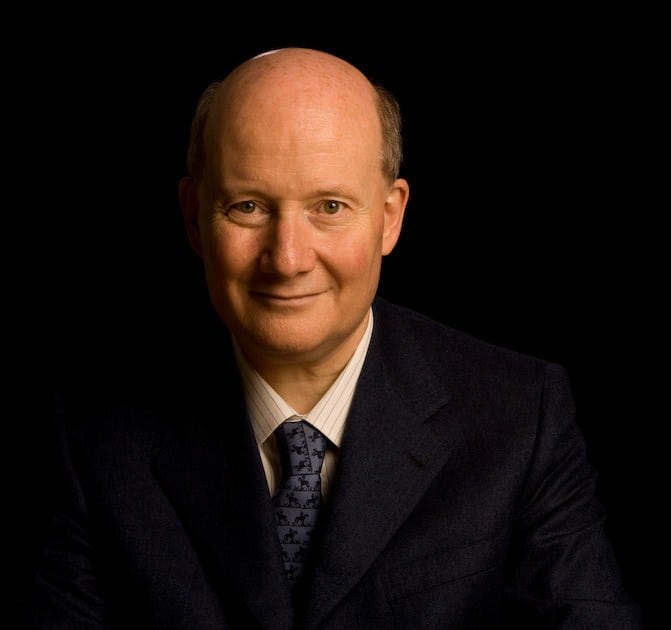
Massimo Introvigne (born June 14, 1955 in Rome) is an Italian sociologist of religions. He is the founder and managing director of the Center for Studies on New Religions (CESNUR), an international network of scholars who study new religious movements. Introvigne is the author of some 70 books and more than 100 articles in the field of sociology of religion. He was the main author of the Enciclopedia delle religioni in Italia (Encyclopedia of Religions in Italy). He is a member of the editorial board for the Interdisciplinary Journal of Research on Religion and of the executive board of University of California Press’ Nova Religio. From January 5 to December 31, 2011, he has served as the “Representative on combating racism, xenophobia and discrimination, with a special focus on discrimination against Christians and members of other religions” of the Organization for Security and Co-operation in Europe (OSCE). From 2012 to 2015 he served as chairperson of the Observatory of Religious Liberty, instituted by the Italian Ministry of Foreign Affairs in order to monitor problems of religious liberty on a worldwide scale.