A “communication conference” on “Xizang” in Lhasa proposed using new technologies to influence Western perceptions of Tibet.
by Tenzin Dalha
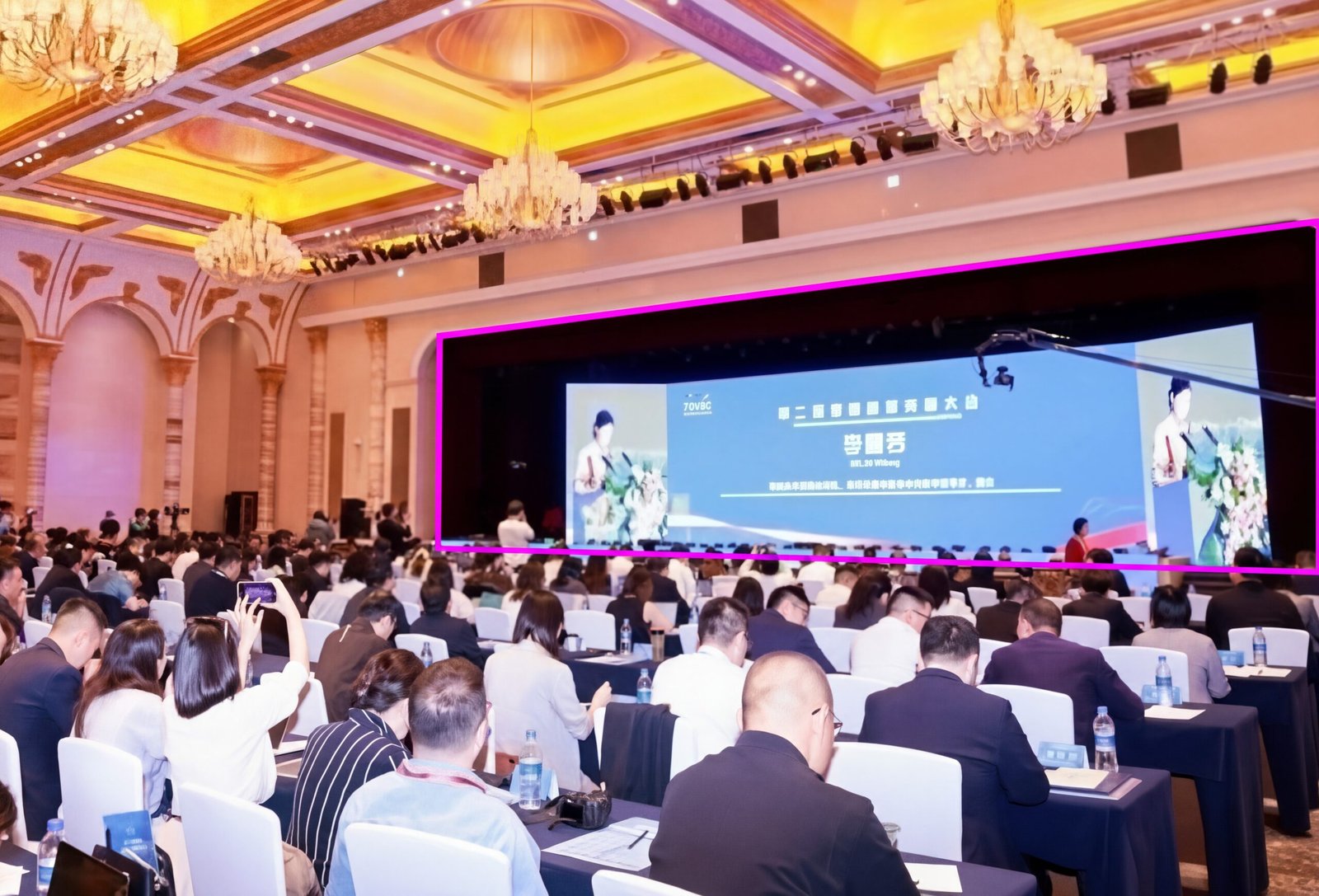
A conference held in June in Lhasa under the theme of enhancing international communication on Tibet-related issues, titled “The Second Xizang International Communication Conference,” brought together nearly 300 participants, including scholars, journalists, media professionals, think tank experts, communication specialists, government officials, and policy practitioners. While officially presented as a platform for fostering cross-cultural understanding and dialogue, the conference also demonstrates Beijing’s increasingly sophisticated efforts to influence international perceptions on Tibet and strengthen its discourse power on Tibet-related issues.
Major discussions were focused on information warfare, audience engagement, content co-creation, and the use of emerging high technologies in international communication. Participants emphasized adapting Tibet-related messaging to the contemporary digital information environment through big data analytics, audience profiling, artificial intelligence, and algorithm-driven content dissemination. Chinese media representatives highlighted the importance of identifying target audiences and developing customized narratives tailored to specific demographic, cultural, and ideological communities. These approaches reflect a shift from traditional propaganda toward more advanced forms of strategic communication designed to maximize influence in the global information sphere. AI algorithms could hold the key to China’s solution for reframing the Tibet issue worldwide, as the country seeks to assert its dominance over the narrative.
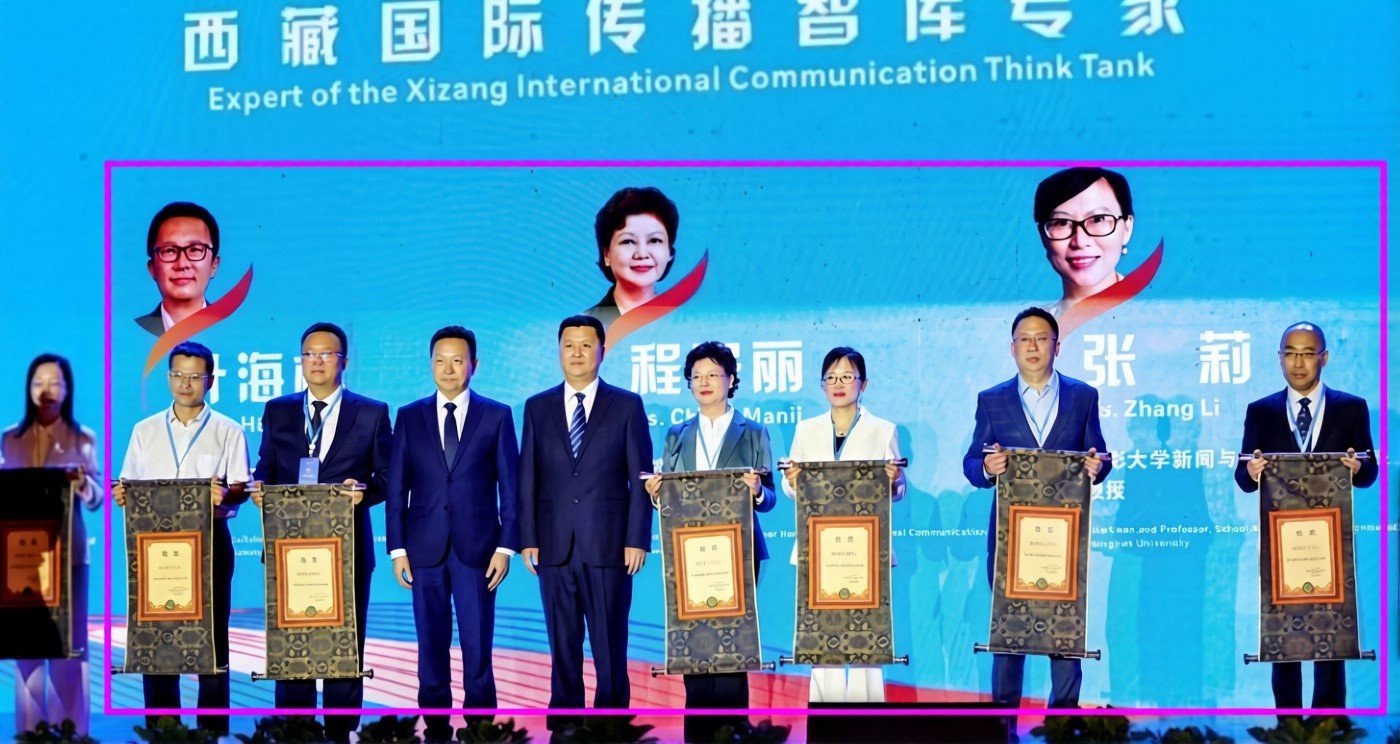
The conference exemplifies China’s substantial investment of political, financial, technological, and institutional resources to strengthen its international narrative on Tibet. By engaging selected scholars, journalists, communication experts, social media influencers, and foreign participants, Beijing seeks to cultivate networks capable of amplifying state-approved narratives across multiple platforms and audiences. These efforts represent a proactive and long-term strategy aimed at shaping international opinion, influencing public discourse, and generating broader acceptance of China’s policies in Tibet. The scale, sophistication, and persistence of China’s communication efforts show that shaping global perceptions of Tibet has become a central component of Beijing’s long-term strategic agenda.
The Internationalization of China’s Tibet Narrative
China’s broader efforts extend far beyond conferences and academic exchanges. Over the past decade, Beijing has significantly expanded its international communication capabilities, frequently arguing that foreign reporting on Tibet is distorted by ideological bias and geopolitical agendas. At the same time, Chinese authorities have actively facilitated visits by foreign influencers, vloggers, and content creators to Tibet. These carefully managed tours typically showcase infrastructure development, economic modernization, environmental initiatives, cultural performances, and social stability. At the same time, the resulting content is amplified through global digital platforms to project an image of prosperity and successful governance.
These initiatives increasingly reflect a comprehensive strategy of perception management rather than a genuine commitment to transparency and open information exchange. While official narratives emphasize modernization, development, and social stability, independent researchers, journalists, and observers frequently describe a more complex reality in which extensive systems of governance, surveillance, and social control accompany economic and infrastructural progress. Facial recognition technologies, police checkpoints, digital identity management systems, large-scale data collection mechanisms, and community-level monitoring networks have become deeply embedded in everyday life across Tibet. This growing integration of surveillance technologies raises important questions about the disparity between state-promoted narratives and the lived experiences of Tibetan communities.
China’s approach reflects a broader pursuit of discourse power, the ability to influence how issues are framed, interpreted, and understood internationally. Rather than simply responding to criticism, Beijing increasingly seeks to establish narrative dominance by promoting state-approved interpretations while characterizing alternative accounts as misinformation, foreign interference, or politically motivated distortion. Through sustained investments in media partnerships, digital outreach, academic exchanges, strategic messaging, and international communication networks, China aims not only to defend its policies but also to normalize and legitimize them within global public opinion.
This strategy is further reinforced by linking Tibet to broader initiatives, including the Belt and Road Initiative (BRI), trans-Himalayan connectivity projects, regional trade corridors, green energy cooperation, and cross-border development programs. By embedding Tibet within narratives of economic integration and regional prosperity, Chinese authorities seek to shift international attention away from political and human rights concerns toward themes of modernization and development.
Despite these extensive efforts, Beijing continues to face significant challenges. Persistent international skepticism, growing scrutiny of policies in Tibet, the availability of alternative information sources, and continued advocacy by Tibetan communities in exile have complicated China’s efforts to secure narrative dominance. As a result, Beijing is committing more resources to strengthening its influence within the global information environment, suggesting that control over international perceptions has become a strategic priority alongside economic development and national security.
Ultimately, the struggle over Tibet is no longer confined to geography or governance; it has become a contest over information, data, legitimacy, and narrative power. As China continues to refine its communication strategies through advanced technologies, targeted messaging, and global outreach campaigns, the central question remains whether state-managed narratives can successfully shape international understanding of Tibet or whether alternative voices and lived experiences will continue to challenge Beijing’s efforts to define reality on its own terms.

Tenzin Dalha is a research fellow at The Tibet Policy Institute, Central Tibetan Administration, studying social media and their implications and impacts on Tibetan communities both in Tibet and exile. His research interest also extends to exploring Chinese cyber-security policy.