MISA’s teachings may appear new and shocking but they are based on ancient doctrines such as Chinese alchemy, Tantra, and Western Esotericism.


MISA’s teachings may appear new and shocking but they are based on ancient doctrines such as Chinese alchemy, Tantra, and Western Esotericism.
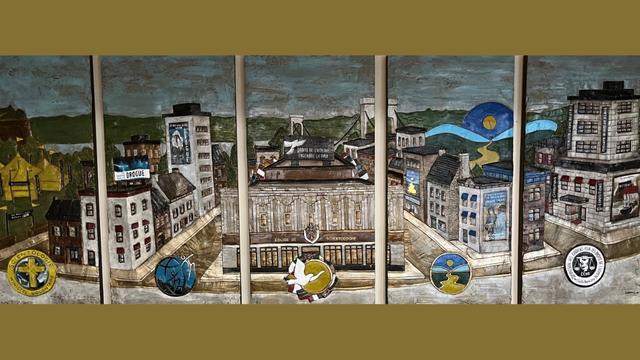
Does Scientology offer a spirituality of the arts? Yes, answer some artists who are Scientologists.

Through its Celebrity Centres, Scientology systematically interacts with the artists, be they superstars or “commercial” painters.

Hubbard believed that integration between the elements of a work of art is the true key to its success.

One becomes a professional artist by skillfully using the “ideal scene” and the “memory library,” two concepts typical of Hubbard.
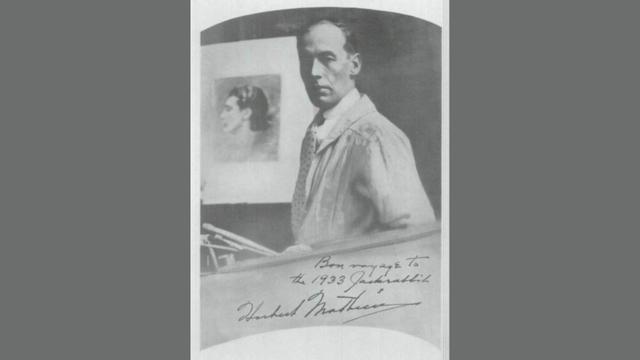
Hubbard believed that, unlike mere illustration, art always elicits a contribution from its audience.

The founder of Scientology believed that, if the technique endangers the transmission of the message, the artist should change the technique rather than the message.

For a certain culture, being a good artist came to be “commonly identified with being loose-moraled, wicked, idle, and drunken.” That culture, Hubbard believed, was wrong.

The founder of Scientology devoted much attention to aesthetics. However, his texts on the subject remain little-known.

Brainwashing was debunked by scholars of new religious movements as pseudoscience already in the 20th century. It now returns in Japan.