The theme of the androgyne has a long history in Western culture and came to Ferenzona through the Rosicrucians and the Theosophical Society.
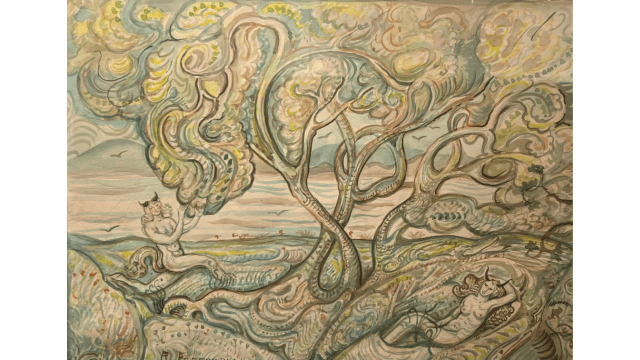
Metamorphosis and Theosophy Around Raoul Dal Molin Ferenzona
read more

The theme of the androgyne has a long history in Western culture and came to Ferenzona through the Rosicrucians and the Theosophical Society.

They manifest the “cultural tradition of Brazilian society” and do not violate the principle of separation of religion and the state, the Court said.

The judges found in favor of the Bulgarian Orthodox Old Calendar Church. But both the government and the opposition said they would not accept the decision.

The Burma army has burned down churches, schools, and even Buddhist monasteries in its effort to eradicate anti-government resistance.
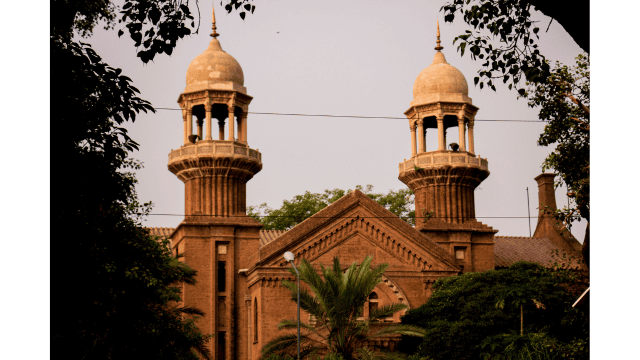
The decision by the Lahore High Court can also affect other religious minorities.

A report from the Middle Eastern country sheds light on a desperate situation and some modest signs of hope.
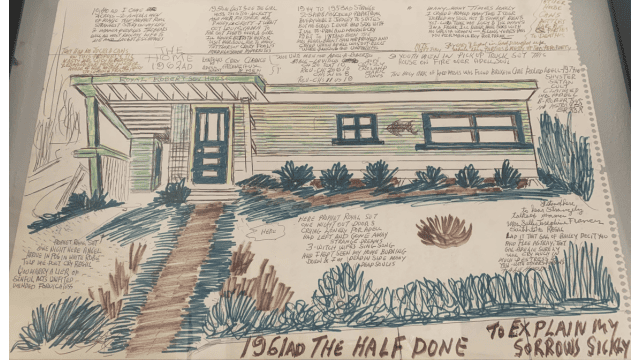
The work of the Louisiana outsider painter owes much to his schizophrenia but is also uniquely related to popular millennialism and UFO lore.

Scholars and human right activists ask that the movement (not to be confused with others with similar names accused of violence) may continue its activities in U.S. correctional facilities.

The Ministry of Culture is about to start proceedings whose consequences would be draconian.

The city knows that peace should constantly be advocated for. So does freedom of religion or belief, in Japan and all over the world.