Marqas Masih’s death in Sargodha was declared a suicide, but it increasingly appears to be a homicide.


Marqas Masih’s death in Sargodha was declared a suicide, but it increasingly appears to be a homicide.

The Court of Appeal of Aix-en-Provence stated that its refusal to publish a right of reply from “Non à la Drogue, Oui à la Vie” was unlawful.

A French-style set of laws imposing “laïcité” is now increasingly resisted, both in Quebec and in other provinces.

The Kaohsiung attack, which left one seriously injured, occurred after warnings at the UN about the effects of media hate speech targeting the movement.
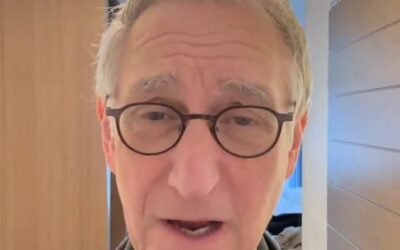
Leading anti-cultist Dr. Cathleen A. Mann expressed her doubts that Hassan was an “expert on cults” and indeed “an expert in anything,” except “Hassanology.”
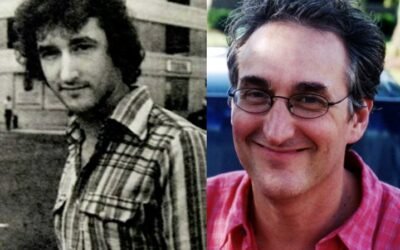
Hassan’s “authority” does not come from academia but from his past as a “cult” member and a deprogrammer.
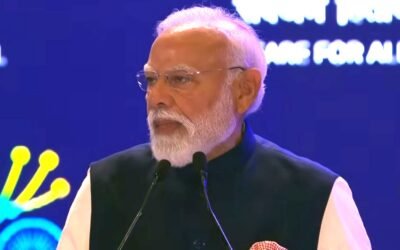
France and India vow to cooperate in AI. The thought of the visionary spiritual leader may offer guidance in the forthcoming “AI-yuga.”

While some had claimed the dissolution would only strip the church of its tax-exempt status, liquidators have already closed down 260 places of worship.
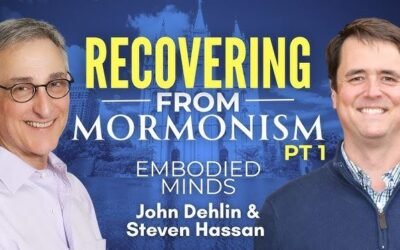
From members of the Church of Jesus Christ of Latter-day Saints to supporters of Donald Trump, all groups Hassan dislikes are identified as “cults.”
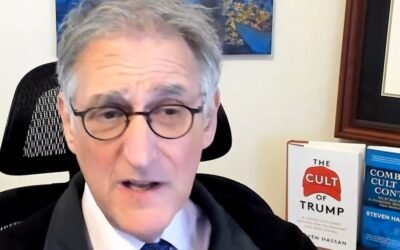
The American anti-cultist’s ideology is just the old, discredited “brainwashing” ideology under a new name.