How old ideological habits survive in new forms and shape the way some Russian skeptics reconstruct the Rudnev case

Lidin, Rudnev, and the Blind Spots of Post-Soviet Skepticism
read more

How old ideological habits survive in new forms and shape the way some Russian skeptics reconstruct the Rudnev case

How Haruhisa Nakagawa’s encounters with believers, activists, and victims revealed a human rights crisis concealed behind a powerful public narrative.
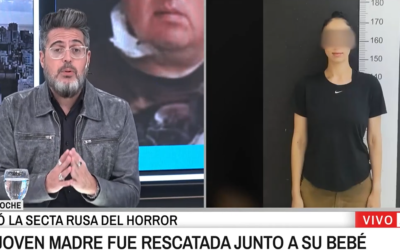
A study of how major outlets reacted when informed that their reporting relied on compromised sources, and why some continue to resist correction.

Inside the courtroom calculus where reputations, headlines, and imagined futures decide who stays behind bars.
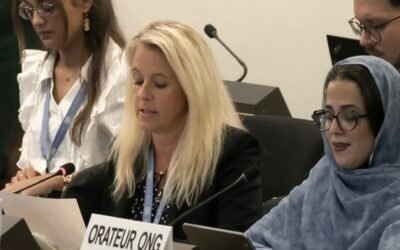
CAP‑LC alerts the United Nations Human Rights Council to the dangers revealed by the conviction of Nicole Daedone and Rachel Cherwitz.

CAP Freedom of Conscience warns the Human Rights Council about the fate of Shincheonji’s leader.
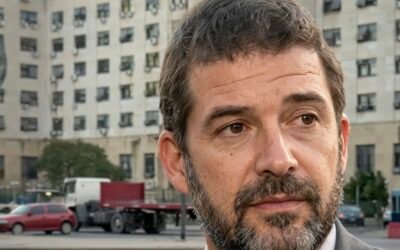
Prosecutor Arrigo’s handling of the Rudnev case is a textbook example of arbitrary interference with individual autonomy prohibited by international law.

A writer, a lawyer, and a former legislator examine how a single narrative overtook institutions and placed religious freedom at risk.
A respectful call to the highest authorities of Pakistan to uphold fundamental rights and the rule of law.

Cases from the 1990s demonstrate how “cult” rhetoric destroyed reputations and led to false accusations in Argentina. The story repeats itself in the Rudnev case.