The Agency for Cultural Affairs vows to go on with its drastic measures to liquidate the Unification Church if the dissolution decision is confirmed on appeal.
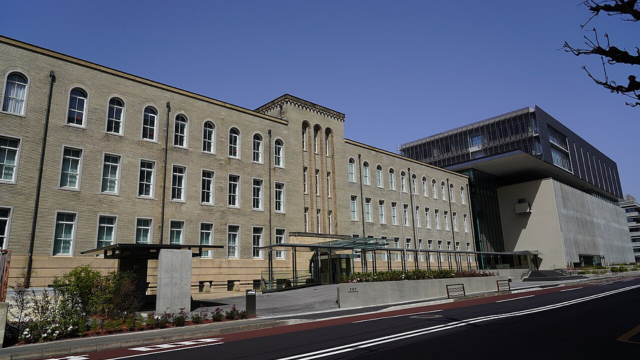

The Agency for Cultural Affairs vows to go on with its drastic measures to liquidate the Unification Church if the dissolution decision is confirmed on appeal.

A fascinating look at a revival of African Indigenous Spirituality and a unique African spiritual institution.

The anti-cult lawyers try to rewrite history. The campaign against the Unification Church was driven by political, not consumer protection, motivations.
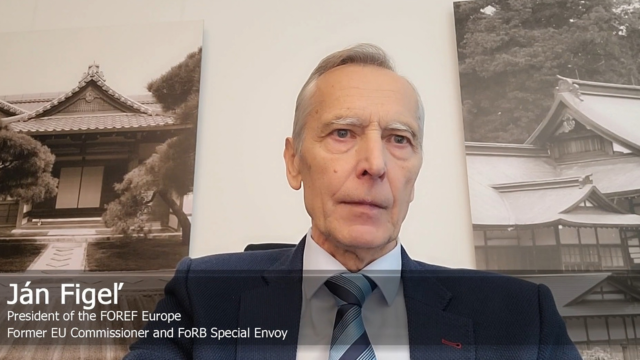
The decision by the Tokyo District Court is ill-founded, unconstitutional, and unlawful. The international community should not accept it.
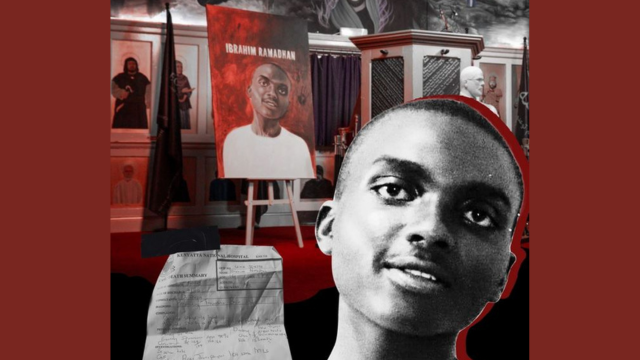
The religious nature of Ibrahim Ramadan’s murder is confirmed by the fact that the victim’s brother was later arrested and beaten for his faith.
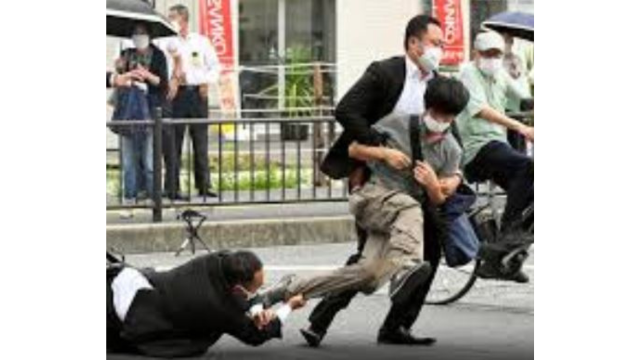
The Japanese newspaper apologized for describing the murder as having “social significance,” but continues its biased reporting about the Unification Church.

While the author presents herself as an enthusiastic convert to atheism, her comments about the Jehovah’s Witnesses are largely inaccurate.

A book used to criticize the Jehovah’s Witnesses tells us more about the author’s dysfunctional family than about religion.

A recent memoir about the conflict between a daughter and her mother, a Jehovah’s Witness, should be understood in the context of local controversies.
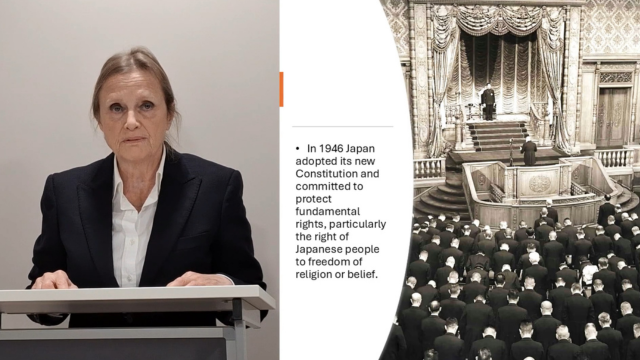
The dissolution order that hit the Family Federation last March violates Japan’s international law obligations.