U.S. case law and state laws recognize a confessional privilege for all religions. However, the pedophile priest crisis led to calls for abolishing it.


U.S. case law and state laws recognize a confessional privilege for all religions. However, the pedophile priest crisis led to calls for abolishing it.
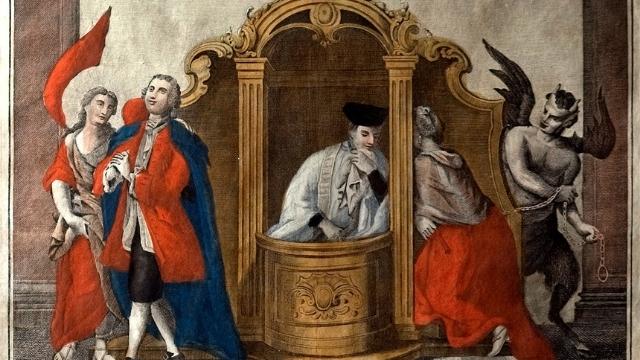
While in Italy the Concordat with the Catholic Church creates a special situation, in other countries attacks against the legal protection of the confessional secret are gaining momentum.

A very important book critically addresses proposals that statutes protecting the confidentiality of religious confession should be abolished.

The earlier stories of the popular detective series were written by a secular humanist. But the Stratemeyer Syndicate made them into a Christian answer to “bad” dime novels.

“Experts” call Reiki an “occult religion” or a “destructive cult.” They misunderstand what Reiki is all about.

Some try to persuade us that Nostradamus, the French 16th-century astrologer, predicted World War III and widespread religious persecution. A look at the “Nostradamologists.”

From 2016, ISIS replaced Lashkar-e-Jhangvi as the deadliest anti-Hazara terrorist group. In 2020, Hazaras were accused of spreading COVID as the “Shi’a virus.”

Lashkar-e-Jhangvi terrorists Usman Saifullah Kurd and Dawood Badini waged a war of extermination against the Hazaras of Balochistan.
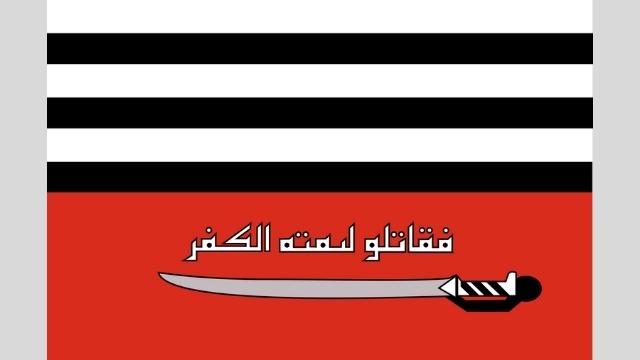
Founded in 1996, LeJ emerged as the most radical anti-Shi’a groups, and the only one able to launch a terrorism campaign against the Hazaras in Balochistan.

From the late 1970s, sectarian violence targeted Pakistani Shiites, due to both domestic and international factors.