皮肉なことに、解散は、裁判所が非難していた献金勧誘の方法がほぼ消滅した後に宣告された。


皮肉なことに、解散は、裁判所が非難していた献金勧誘の方法がほぼ消滅した後に宣告された。

地方裁判所は民事訴訟だけでなく和解や陳述書にも依拠し、ディプログラミングの問題を無視した。
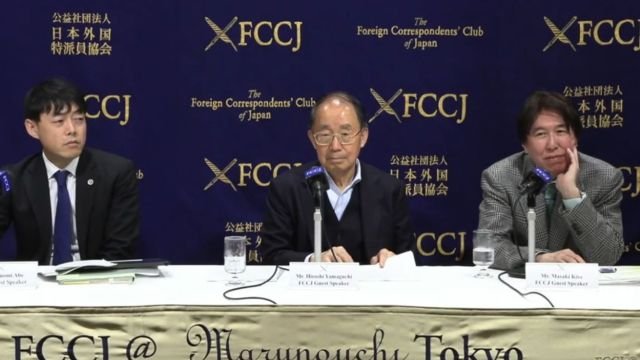
この裁判所の決定は、政治的な動機を持つ貪欲な弁護士による宗教運動への約40年にわたる嫌がらせの頂点である。

解散決定は、過度な献金の勧誘をめぐる非難に基づいているが、その宗教的性質は無視されている。

The Tokyo District Court claimed its decision did not violate international and constitutional principles of religious liberty. It was wrong.

Paradoxically, the dissolution was pronounced after the methods for soliciting donations that the court had objected to had almost disappeared.
The District Court relied not only on civil cases but also on settlements and statements, and ignored the issue of deprogramming.
The court decision is the culmination of almost forty years of harassment of the religious movement by politically motivated and greedy lawyers.
The dissolution decision is based on the accusation of soliciting excessive donations. But their religious nature is ignored.
The Japanese government is claiming there were 500 victims of coerced donations after 2009. This figure is false.