A Chester judge calls the police evidence hearsay, yet keeps Abdullah Hashem and six fellow believers under restraint for six more months.
by Marco Respinti
Imagine a classroom on the day the homework assigned the previous week is due. Every pupil has completed the assignment on time. Each has made an effort, studying, working, perhaps making mistakes and starting over. They expect the teacher to recognize that effort, whatever the grade. A wrong answer may deserve a poor mark, yet it does not erase the merit of having followed the rules, met the deadline, and worked diligently. Now imagine one pupil who has failed to do the assignment, and a teacher who, instead of holding him accountable, rewards his negligence by granting him extra time.
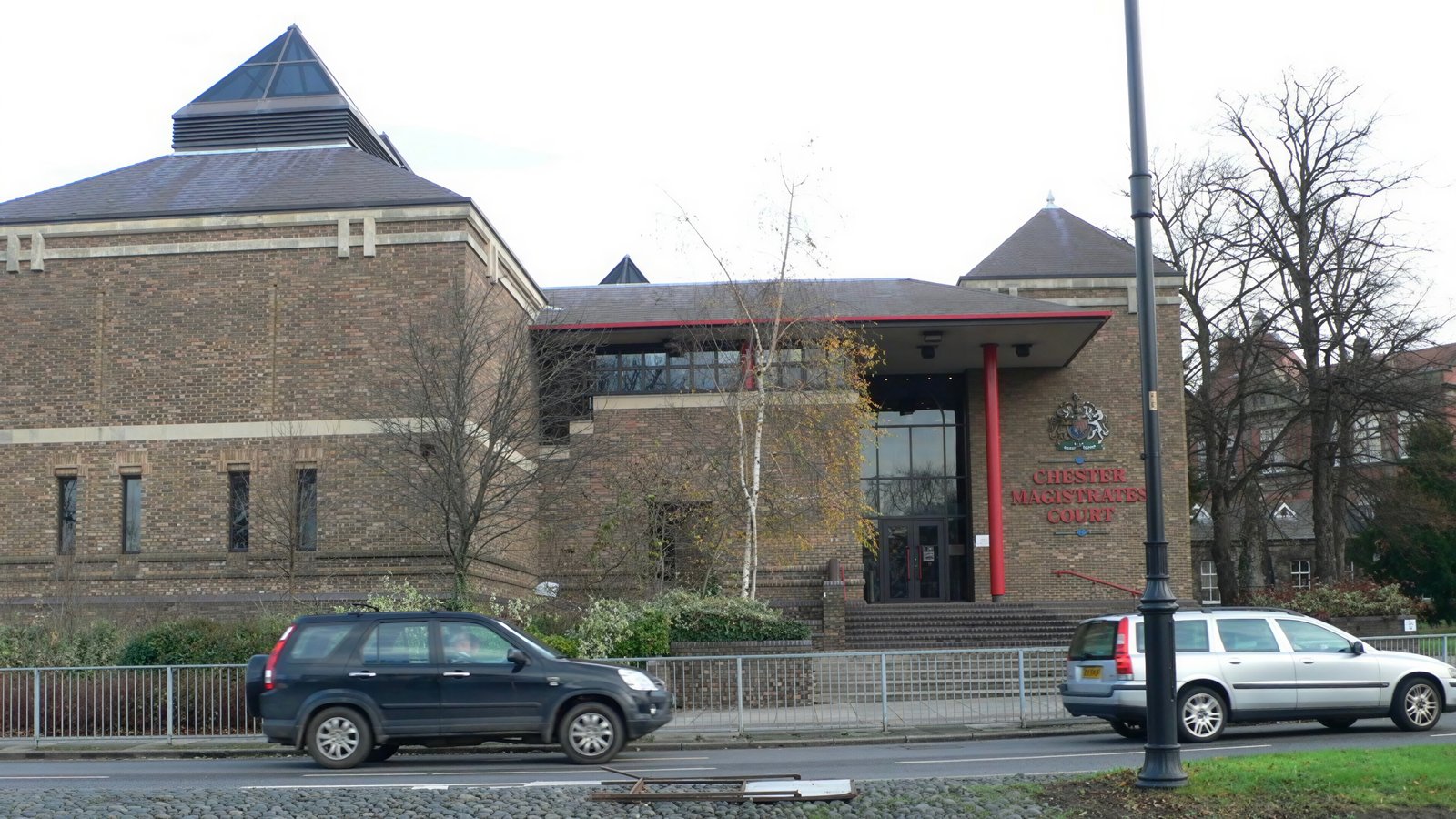
How would we describe this episode? How would we describe that pupil, if not as lax and sloppy? How would we describe that teacher, if not as unjust? Granting a neglectful pupil an extension is indeed within a teacher’s power, yet such conduct would be manifestly discriminatory, prejudicial, and unfair to the rest of the class. This is essentially what I witnessed on October 22, 2026, at the Magistrates’ Court in Chester, Cheshire, England. Magistrates’ courts are the lower courts in the legal system of England and Wales (Scotland has its own), dealing primarily with less serious criminal cases and preliminary hearings in criminal proceedings, as well as certain civil and family matters.
On that date, despite openly and repeatedly acknowledging the precarious nature of the allegations, Judge Ian Barnes accepted the request of the investigating police and granted them another six months for their inquiry into Abdullah Hashem, leader of the religious group known as the Ahmadi Religion of Peace and Light (AROPL), and six fellow believers. They are accused of crimes involving modern slavery and human trafficking, including a sexual assault against a Mexican woman, whose name cannot be revealed, alleged to have taken place in August 2023. The woman claims that AROPL trafficked her from Mexico, yet she contradicts herself, alleging at times that AROPL forcibly married her off to a man called Ismail and, at other times, that some AROPL believers—the seven involved in the October 22 case—collectively sexually assaulted her… along with two extraterrestrial creatures.
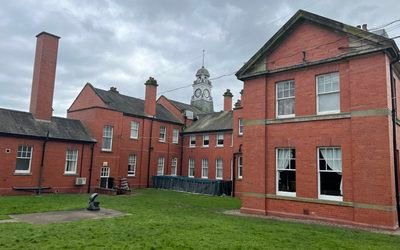
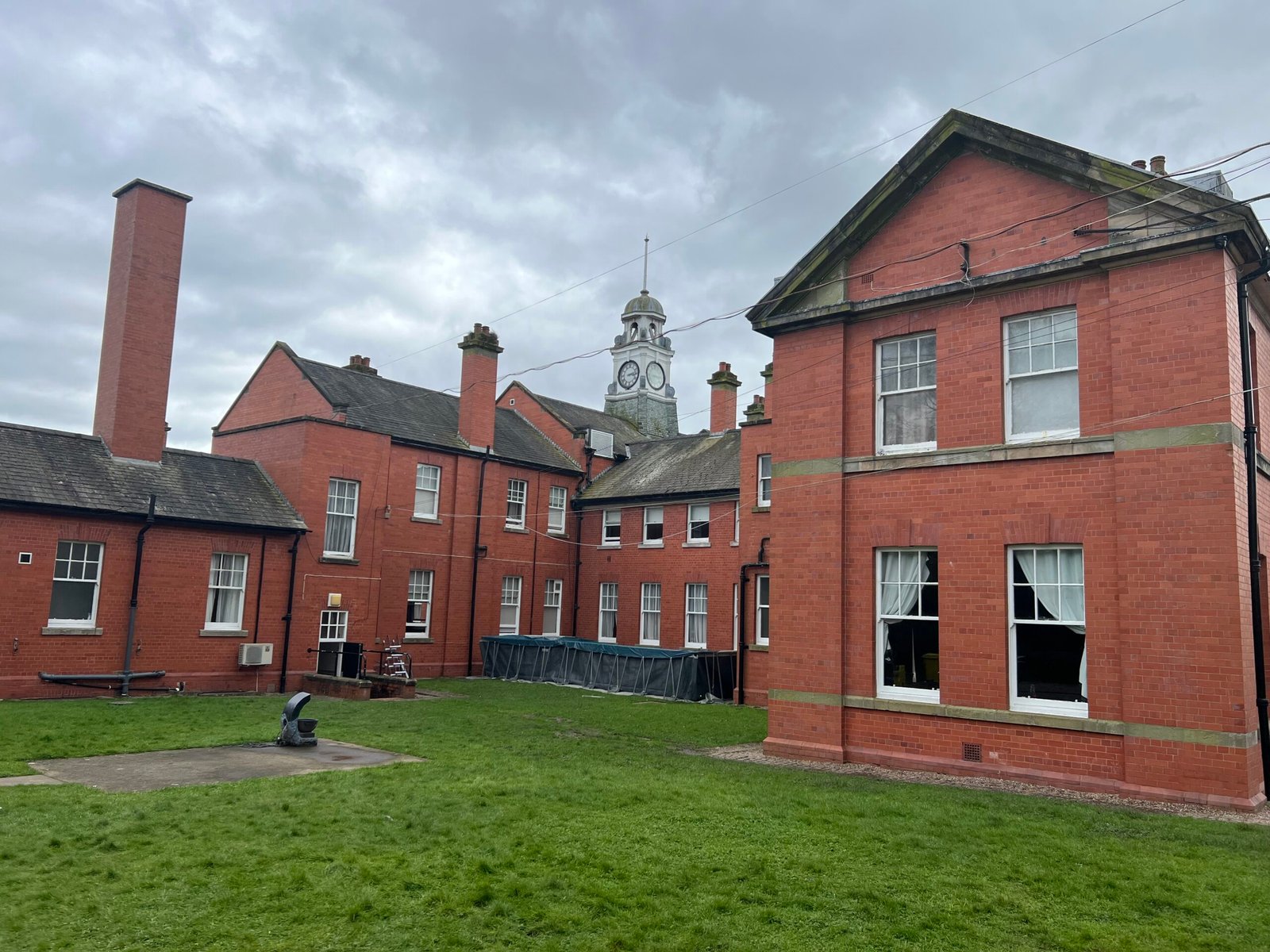
Given the serious nature of the woman’s claims, the judge added that the alleged offenders will remain subject to the same restrictions as at present: they are on bail, cannot see their children, and cannot enter Crewe, Cheshire—where the AROPL headquarters and residence, a former orphanage called Webb House, is located—or anywhere else in Cheshire. The end date is April 30, 2027.
There is more. Immediately after the ruling, granting a request made by counsel for the Cheshire Constabulary, Judge Barnes also imposed a gag order: a temporary restriction on reporting the evidence presented in court, even though the hearing was public.
For this reason, as long as the gag order was in place, neither I nor anyone else could provide details of the hearing beyond the ruling itself and some observations on the setting and circumstances. The gag order was lifted on November 10, which is why I can now freely publish what I witnessed without breaking the law and further damaging AROPL believers.
The judge lifted it after asking for submissions, and the lawyers provided them. There is abundant case law in the UK stating that courts are public and that information mentioned in open court may be published. Anyone who wants an exception has to apply for it before the hearing, which did not happen in the AROPL case in Chester. It thus seems that Judge Barnes’s hasty decision to grant what counsel for the Cheshire Constabulary requested was irregular.
The seven people involved in the October 22 hearing are part of a larger group of 13 AROPL believers who, being suspected of modern slavery and human trafficking, are all prohibited from entering Cheshire.
The allegations and the precautionary measures imposed on that group of 13 stem from the massive and unprecedented police operation in which, on April 29, 2026, 500 riot police officers stormed Webb House, owned by AROPL, where entire families were living peacefully.
No formal charges have yet been brought against any of them, however. The police investigation is still ongoing. As for the seven of the 13 who are accused by the Mexican woman, a preliminary hearing was scheduled for October 22 to consider the police application to extend the existing interim Slavery and Trafficking Risk Order (STRO) against them. The investigating police had believed they could simply extend the STRO on the basis of the application they had made in April, but Deputy District Judge Owen Jones had ruled that they needed to file a new one based on fresh evidence.
In the courtroom, Judge Barnes thus heard Olivia Checa-Dover, counsel for the Cheshire Constabulary. Detective Inspector Ellen Atkinson, the senior investigator in the entire AROPL case, gave her testimony. Lawyers Danny Friedman and Gary Bell cross-examined her.
The proceedings lasted more than six hours, during which the lawyers took turns addressing the court. Checa-Dover sought to substantiate the police application to extend the existing STRO, while Friedman and Bell scrutinized every assertion made by Atkinson, precisely to establish whether any new evidence had emerged between April and the day of the hearing that might, in the judge’s eyes, justify the police’s request. Until November 10, neither I nor anyone else was permitted to report what Atkinson and the police’s lawyer presented in court, or the questions, details, and factual challenges raised by AROPL’s defense lawyers.
As mentioned, the hearing at the Magistrates’ Court in Chester was open to the public, as all hearings of this kind are. Members of the public were therefore admitted to the courtroom, as is customary in proceedings of this nature.
I attended with other observers: Canadian academic Susan J. Palmer, a sociologist of religion called upon as an expert on new religious movements and police raids; Dutch anthropologist Hans Noot, Associate Director of Human Rights Without Frontiers in Brussels, Belgium; and American lawyer Heshmat Ali. Several young people were also present, and among them one could recognize some of the hooligans who, in the aftermath of the April 29 police raid, started staging loud demonstrations (sometimes involving violence and intimidation) outside the gates of Webb House. They accuse AROPL of being a “cult” and its members of being illegal immigrants. Some of the believers residing at Webb House do come from foreign countries, yet they are by no means illegal immigrants, and the vast majority of them hold British citizenship.
The small courtroom did not have enough seats for everyone who wished to attend and had gathered before the proceedings began. Palmer, Noot, Ali, and I all risked not finding a place, despite arriving at the courthouse well in advance. After the short lunch break called by Judge Barnes, I was in fact left outside for some time because there were not enough chairs, and could return to the courtroom only later. Curiously, the young people I mentioned, with the Webb House hooligans among them, entered the courtroom first in both the morning and afternoon sessions, occupying many of the available seats and leaving few for others. Such things sometimes happen… It also happened that Judge Barnes had to threaten to have the courtroom emptied if those young people did not stop disturbing the proceedings.
That same small courtroom was, moreover, conspicuously shunned by the media, which had instead been massively present before the April 29 police raid to caricature AROPL and, after the raid, to present as proven truths what remain, for now, allegations yet to be substantiated.
A courtroom is a sacred place in the administration of justice. In Chester, on October 22, Judge Barnes granted the police more time to do what they had failed to do since they carried out a raid involving 500 officers last spring, making defamatory allegations based solely on unsubstantiated accusations that, over the following six months, have received no corroboration whatsoever.
Several times during his ruling, the judge emphasized the tenuous nature of the allegations and the lack of substantial supporting evidence. Judge Barnes repeatedly used the word “hearsay”: “In terms of evidence presented today on behalf of the police, the evidence comes by way of secondary hearsay of the complainant” (words from notes taken in the courtroom).
As AROPL’s defense has argued for months, the allegations come from a single source, and there is no independent validation. Every purported external finding remains unsubstantiated, is shrouded in what is described as confidentiality, and is not based on objective facts. The claims are all made by the sole complainant. Some of them are decidedly sensationalistic and surreal (firearms hidden in Webb House, a nuclear weapon secretly held in London, elephants in the AROPL headquarters, UFOs, aliens, a hologram with a giant cat, and so on). Others have been proved entirely unfounded. What serious reporting has established, even before the October 22 hearing, is the accusing woman’s association with professional and equally fanciful anti-cultists, as well as with religious extremists of a different persuasion than AROPL’s.
In the courtroom, Atkinson often seemed not to be on top of events and documents, referring several times to the role and responsibilities of others. She also seemed nervous at some of the most direct questions from the defendants’ lawyers.
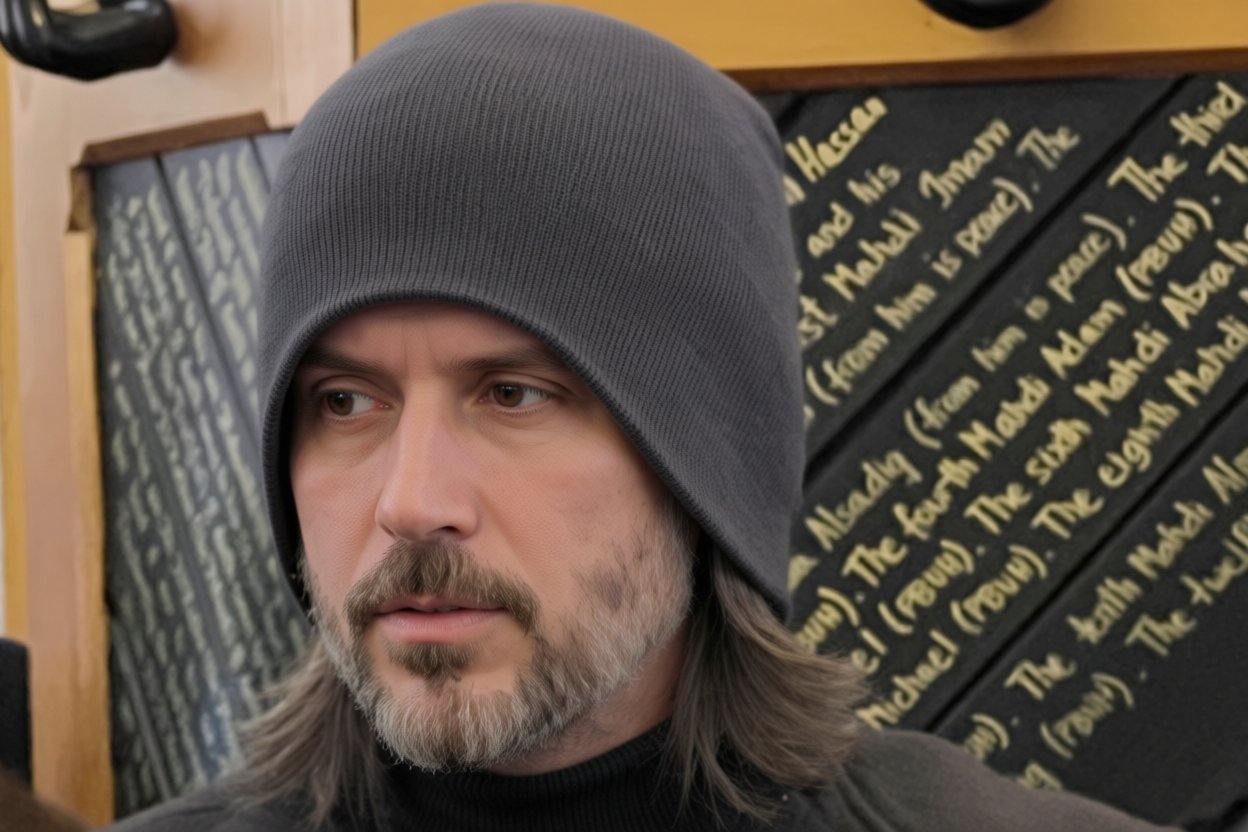
One fact in the whole story is rather interesting. One of the individuals associated with the alleged sexual assault of the accusing woman, Mexican AROPL believer Iván Uriel Silva Morales, 31, was arrested in May on suspicion of sexual assault, and the case against him was dropped in mid-October because he was not even in the UK at the time of the alleged rape. This could easily have been verified from the man’s passport, yet it took the police months to establish it.
The woman who accused seven AROPL believers of human trafficking and rape, moreover, has never made a secret of smoking pot, claiming that she uses substances to keep her anxiety under control. Once, she even asked Abdullah Hashem for permission to smoke on AROPL’s property at Webb House. Hashem refused, reminding her that it is illegal in the UK.
It is also quite troubling that the accusing woman can remain anonymous for privacy and security reasons, while the seven AROPL believers, innocent until proven guilty, are publicly exposed by name and face amid vehement public protests against their group.
At the end of the day, here is the situation. If the Mexican woman’s allegations remain unsubstantiated and the evidence is more than fragile, what legal justification is there for extending the order for a further six months while maintaining severe restrictions on the seven individuals concerned? Formally, the court of course has the power to grant that extension. The issue is whether exercising that power in these circumstances is necessary and proportionate, supported by sufficient evidence, and consistent with the presumption of innocence.
If police investigations, which could theoretically go on indefinitely, are allowed virtually unlimited time even though the allegations and those making them lack a minimum degree of credibility, how can citizens be expected to have faith in justice? If uncorroborated and unverified allegations are enough to restrict the freedom of people who are presumed innocent until proven guilty, who among us is safe?
At what point do continued restrictions, in the absence of formal charges or sufficiently substantiated grounds, risk turning an investigative measure into de facto punishment without a conviction?
We will return to this matter in six months—a delay that may well confirm once more that justice delayed is justice denied.

Marco Respinti is an Italian professional journalist, member of the International Federation of Journalists (IFJ), author, translator, and lecturer. He has contributed and contributes to several journals and magazines both in print and online, both in Italy and abroad. Author of books and chapter in books, he has translated and/or edited works by, among others, Edmund Burke, Charles Dickens, T.S. Eliot, Russell Kirk, J.R.R. Tolkien, Régine Pernoud and Gustave Thibon. A Senior fellow at the Russell Kirk Center for Cultural Renewal (a non-partisan, non-profit U.S. educational organization based in Mecosta, Michigan), he is also a founding member as well as a member of the Advisory Council of the Center for European Renewal (a non-profit, non-partisan pan-European educational organization based in The Hague, The Netherlands). A member of the Advisory Council of the European Federation for Freedom of Belief, in December 2022, the Universal Peace Federation bestowed on him, among others, the title of Ambassador of Peace. From February 2018 to December 2022, he has been the Editor-in-Chief of International Family News. He serves as Director-in-Charge of the academic publication The Journal of CESNUR and Bitter Winter: A Magazine on Religious Liberty and Human Rights.