The leader of an island nation of 18,000 people answered Chinese threats over Taiwan with a courage many larger governments seem to have misplaced.
by Massimo Introvigne
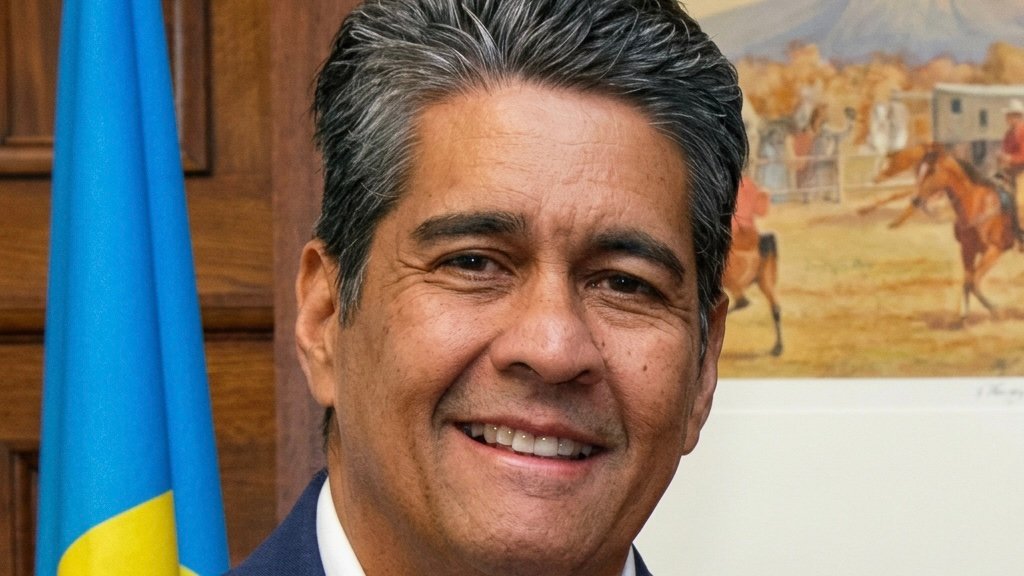
In the arithmetic of geopolitics, Palau looks like a rounding error. Its population of about 18,000 would fit inside a mid-sized football stadium, with seats left over for the visiting fans. Its president, Surangel Whipps Jr., has nonetheless displayed the kind of backbone that governments of countries with tens of millions of citizens, large armies, and seats at every important table often keep locked in a drawer. For this reason, he is “Bitter Winter” hero of the week.
The occasion was an interview Whipps gave to “Politico” during a visit to Canberra, where Palau has just opened an embassy. He described, with some dry humor, the two faces of Chinese diplomacy. First comes the travel brochure. The Chinese ambassador reminded him that he was a businessman and that China could send a million tourists and build as many hotels as he liked, adding that Beijing speaks for over a billion people while Taiwan has only 23 million. Then the brochure is folded away, and the stick comes out: countries that fail to follow Beijing’s instructions should expect retaliation.
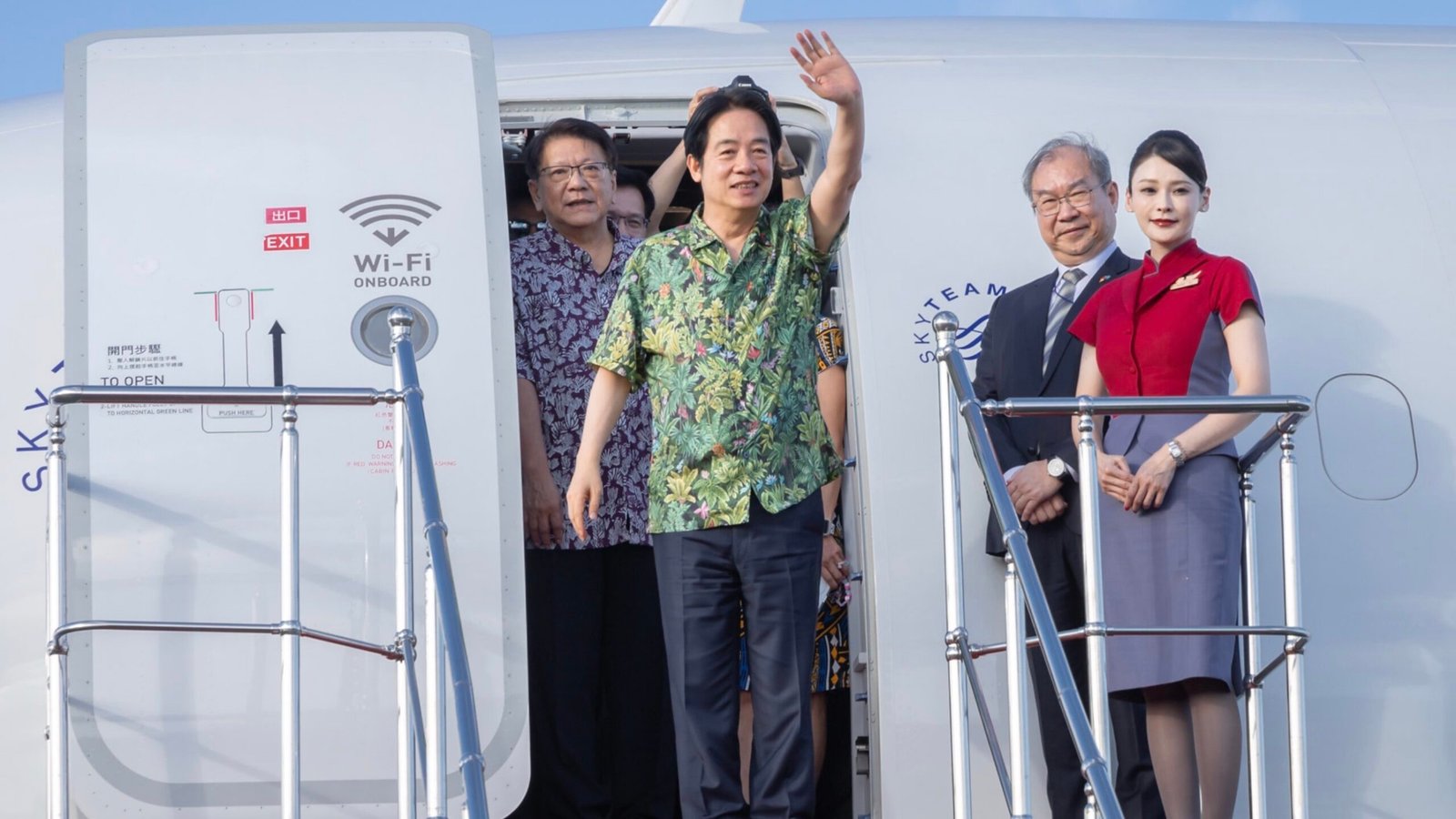
The bone of contention is Taiwan. Palau is one of only three Pacific nations that maintain diplomatic relations with Taipei, and it decided to act accordingly. Hosting the Pacific Islands Forum leaders’ meeting this summer, it gave Taiwan far more room than previous hosts had, welcoming a large delegation. Taiwan’s democratically elected leader even appeared at the opening ceremony. Beijing promptly warned of “consequences.”
Whipps’s answer deserves to be framed and hung in the halls of foreign ministries around the world. Chinese officials keep telling him that Palau must follow the One China Principle. His reply: “That’s our choice, not your choice.” He told “Politico” that Palau has never refused a diplomatic partnership with China, yet a partner who threatens your sovereignty because of a decision you made as a sovereign state hardly qualifies as a friend.
His reasoning goes beyond pride. Small nations understand the domino theory better than anyone, because they live at the end of the row. If Taiwan can be swallowed, Whipps observed, Palau could be next on the menu. Standing together is the only defense available to countries that cannot match China ship for ship.
Pacific islanders have recent reasons for concern. In July, China tested a long-range ballistic missile that flew more than 7,000 kilometers before splashing down near or inside Tuvalu’s exclusive economic zone, with little advance notice. Australian Prime Minister Anthony Albanese called it provocative. Whipps offered a more practical objection, wondering why Beijing had to aim at the middle of the islands when the North Pacific offers plenty of empty ocean.
He also sent a message to Tokyo and Seoul, urging them to share the burden with Washington of keeping the Pacific peaceful. Palau, a former Japanese colony where roughly a quarter of residents have Japanese heritage, regularly hosts joint drills by the United States and Japan.
Large democracies frequently tiptoe around Beijing, issuing statements so carefully weighed by their trade departments that nobody remembers them a day later. The leader of the world’s fourth-smallest country spoke plainly, and he did so knowing that a million Chinese tourists, and the hotels to house them, were on the table. Courage, it seems, is measured in units other than square kilometers. Beijing may count its people in billions. Palau counts on its dignity, and this week it was the richer of the two.
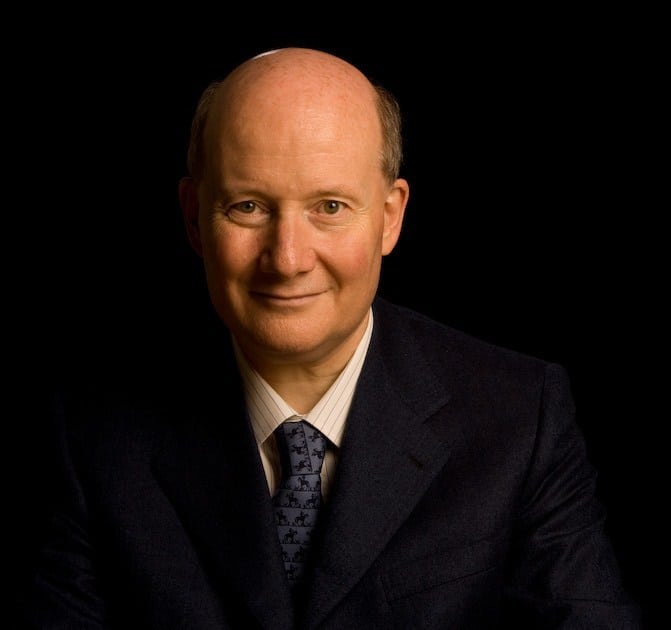
Massimo Introvigne (born June 14, 1955 in Rome) is an Italian sociologist of religions. He is the founder and managing director of the Center for Studies on New Religions (CESNUR), an international network of scholars who study new religious movements. Introvigne is the author of some 70 books and more than 100 articles in the field of sociology of religion. He was the main author of the Enciclopedia delle religioni in Italia (Encyclopedia of Religions in Italy). He is a member of the editorial board for the Interdisciplinary Journal of Research on Religion and of the executive board of University of Pennsylvania Press’ Nova Religio. From January 5 to December 31, 2011, he has served as the “Representative on combating racism, xenophobia and discrimination, with a special focus on discrimination against Christians and members of other religions” of the Organization for Security and Co-operation in Europe (OSCE). From 2012 to 2015 he served as chairperson of the Observatory of Religious Liberty, instituted by the Italian Ministry of Foreign Affairs in order to monitor problems of religious liberty on a worldwide scale.