Lawmakers in Dharamsala warned that Beijing may exploit family reunions, tourism, and youth tours as part of its united-front strategy.
by Lopsang Gurung
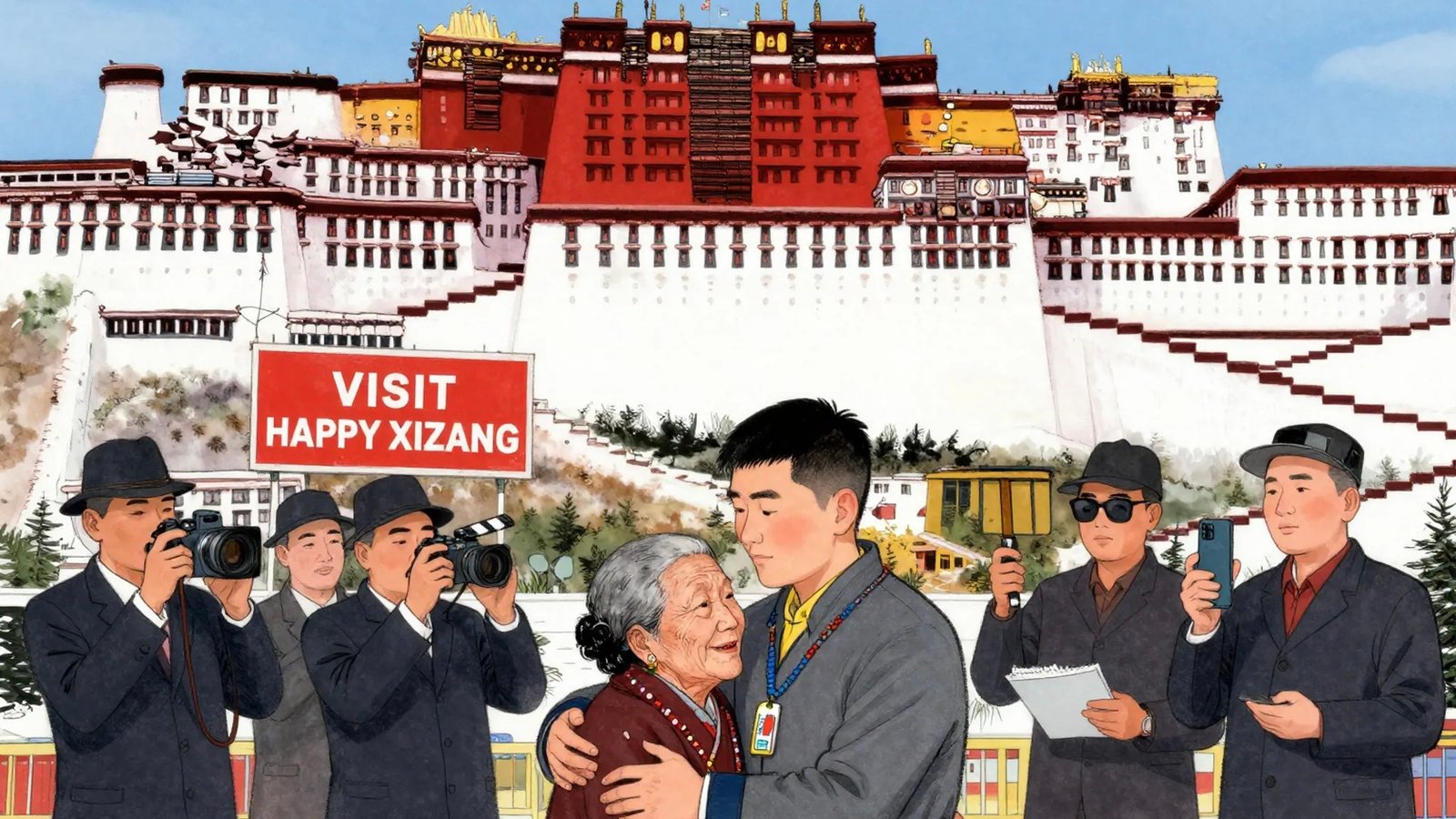
For Tibetans who grew up in India, Nepal, Europe, or North America, the wish to embrace an elderly parent, meet cousins never seen before, or walk through their ancestors’ village is part of ordinary family life. Beijing is well aware of this longing, and the exile community increasingly fears that the Chinese Communist Party (CCP) is turning these emotional journeys into raw material for its propaganda.
The Tibetan Parliament-in-Exile discussed these fears openly last month, on the eighth day of its ongoing session in Dharamsala. During question time, several members pressed Kunga Tashi, the Minister in charge of the Department of Security of the Central Tibetan Administration (CTA), on the dangers faced by exiles who travel to the land China now officially calls “Xizang,” at a time when parliamentarians described controls inside Tibet as tighter than ever.
Minors were among the most sensitive topics raised. Some lawmakers reported that young Tibetans living in Europe had been taken to Tibet through programs organized by specific groups, and asked that parents receive better information about what such trips may involve. The Minister replied that his department already knew about these tours, which in his assessment were at least partly motivated by the private financial interests of their promoters. He added that the department had taken steps in response and invited the community to stay alert.
Parliamentarian Lobsang Gyatso Sither framed the question in the context of Chinese economic planning. He acknowledged that a visit may offer exiles a precious opportunity to reunite with relatives and see their homeland again, but insisted the matter required careful reflection. Tourism, he observed, has been given considerable weight in China’s Five-Year Plan for 2026–2030, and Beijing has announced ambitious targets for international arrivals. Referring to data on entry procedures, he said a large share of foreign travelers now reach China through visa-free or simplified arrangements, a trend he linked to the rapid expansion of tourism on the Tibetan plateau. In this context, Sither argued, a Tibetan visitor might be perceived as endorsing Beijing’s tourism drive, or even as becoming part of it.
Critics of Chinese policy have long noted that tourism in Tibet functions as a showcase for the CCP’s narrative of prosperity and ethnic harmony. At the same time, independent journalists, diplomats, and human rights monitors continue to face severe limits on access to the region. A smiling exile photographed in Lhasa fits that narrative perfectly.
Sither also reminded his colleagues that the previous Kashag, the CTA Cabinet, had issued travel guidance for Tibet. He recommended that Tibetans planning a trip respect those instructions and keep in contact with the Department of Security. He regretted that some journeys had taken place without any public disclosure, and pointed to an inconsistency he found troubling: some exiles obtained asylum abroad by describing the hardships they suffered in Tibet, and later went back there.
Other members turned to trips connected with what they called United Front activities, the CCP’s long-standing system for co-opting diaspora communities, religious figures, and foreign sympathizers. They also asked what consequences await Tibetans who, once back from their visit, speak publicly about what they experienced.
Kunga Tashi urged travelers to act prudently and make sure their presence in Tibet does not transform them into instruments of Chinese propaganda. He returned to this point more than once, asking Tibetans to remain conscious that their visits may be exploited for political purposes. Anyone facing pressure or intimidation from Chinese authorities beyond China’s borders, he said, should report it to his department. Documented cases of transnational repression, the Minister explained, allow the CTA to bring the matter to the attention of the governments concerned and to pursue suitable channels of action.
In the CCP’s hands, a son’s visit to his mother may become a picture in a brochure celebrating the “new Xizang.” Before packing their suitcases, the exile authorities are asking Tibetans to keep this in mind.

Uses a pseudonym for security reasons.