True peace is founded on the universal extension of equal rights to all citizens and on the dynamic wisdom of its legal institutions.
by Marco Respinti*
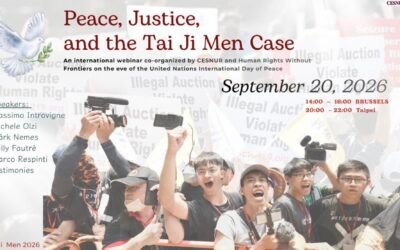
*Conclusions for the webinar “Peace, Justice, and the Tai Ji Men Case,” co-organized by CESNUR and Human Rights Without Frontiers on September 20, 2026, on the eve of the United Nations International Day of Peace.
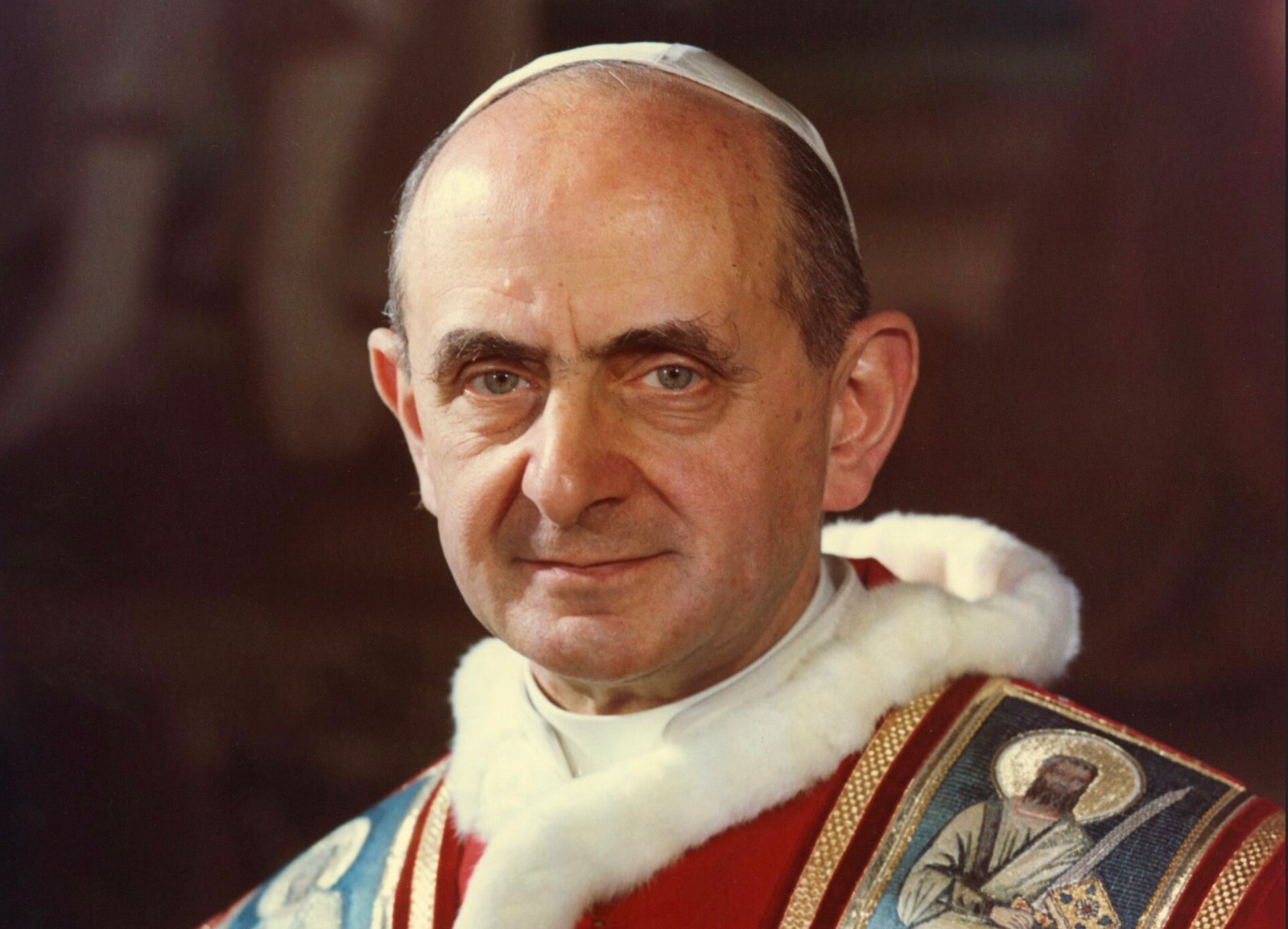
Our webinar today celebrates a fundamental concept of human coexistence, peace, on the eve of the United Nations International Day of Peace. Established on November 30, 1981, by the United Nations General Assembly, the Day has been observed annually ever since, on September 21. But an even older day is dedicated to peace: the World Day of Peace, which the Catholic Church established in 1967 and has observed ever since on January 1.
The date is significant. It marks the first day of the calendar used in the West, but in practice in almost the whole world. It is the start of the new year, an occasion for renewal and positive resolutions. And while the world, recovering from the often excessive celebrations of the previous evening, remains sunk in its torpor longer than it should—perhaps even wasting a good opportunity to reorient its existence—the Catholic Church calls on people to reflect on the fundamental value of peace.
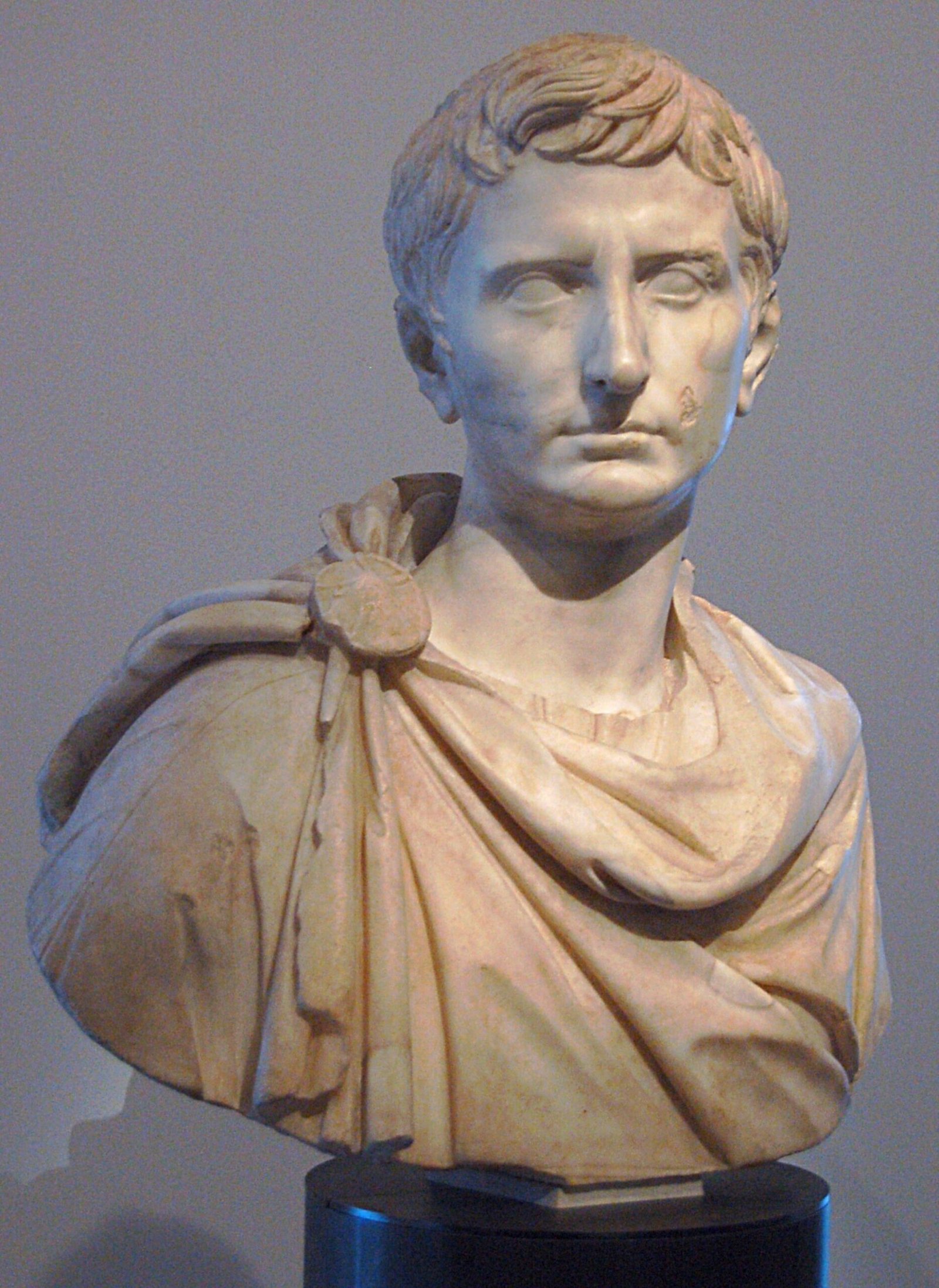
In his homily establishing that special Day, Pope Saint Paul VI (1897‒1978) immediately invoked an important concept: “Pax Romana.” This was the long period—more than 150 years—of stability and prosperity in the Roman Empire that began with the Emperor Augustus (63 BC–14 AD) and ended with the Emperor Marcus Aurelius (121–180)—two extraordinary figures, incidentally. I would only note that Jesus was born during that long period of peace, in the year 33. Pope Paul VI invoked that powerful ideal, in effect defining “Pax Romana” as the gem and pinnacle of ancient Roman civilization, “[…] founded on the universal extension of equality in the rights of its citizens, proud and free in the dynamic wisdom of its legal institutions.”
Freedom and just laws: this is the profound meaning of peace, which is the cornerstone of the World Day of Peace celebrated by the Catholic Church. However, it is important to note that this observance is by no means strictly confessional, reserved only for Christians who recognize the teaching authority of the popes. For a long time, popes have made it a practice to prepare in advance the address they will deliver on January 1 and disseminate it well ahead of time, to give everyone an opportunity for appropriate reflection and time to prepare. Because yes—as ancient Rome teaches us, and as the popes teach us—peace is the foundation of civil coexistence among human beings.
Freedom and just laws: these two pillars of peace—as Rome teaches, and as the pontiffs teach—are not, after all, confessional concepts. They do not apply only to Christians. History shows that wherever freedom and just laws are lacking, only social evil follows. Indeed, the whole of human history could be seen as an antagonism between a society founded on freedom and just laws, and a society in which coercion and control are imposed instead, with the rights of the person restricted or even denied—all of it formalized in laws that quickly reveal themselves to be profoundly unjust and harmful.
The case of Tai Ji Men in the Republic of China (Taiwan) is not the only one today, but a particularly clear and staggering example. The freedom denied to the adherents of that movement—first and foremost, religious liberty—is the result of unjust laws, or at the very least of laws that are misapplied and subordinated to a thirst for power. Peace in Taiwan is therefore only apparent, at least in some sectors of that political community. If it were a full and genuine peace, the adherents of Tai Ji Men would not still be subjected to penalties that have afflicted them for almost 30 years despite having committed no crime, as all the courts and levels of the country’s justice system, including the Supreme Court, have amply demonstrated and reaffirmed.
Freedom and just laws: in the school of Rome and the popes, I have called them the two pillars of peace, and as such the foundations of coexistence among human beings. In reality, they form a single supporting pillar, understood through its two decisive aspects and criteria. Freedom and justice are, in fact, expressions of the same reality. There is no true freedom without justice, and injustice is, above all, profoundly illiberal.
For this reason, every citizen of Taiwan—indeed, every citizen of the world—cannot, and has no right to, remain blind, deaf, and mute in the face of the illegality and injustice that have oppressed the adherents of Tai Ji Men for far too many years. It is not enough to hide behind pusillanimous excuses: it is not enough to say, “Why should I care? I am not part of Tai Ji Men,” “It does not concern me,” “It is someone else’s problem.”
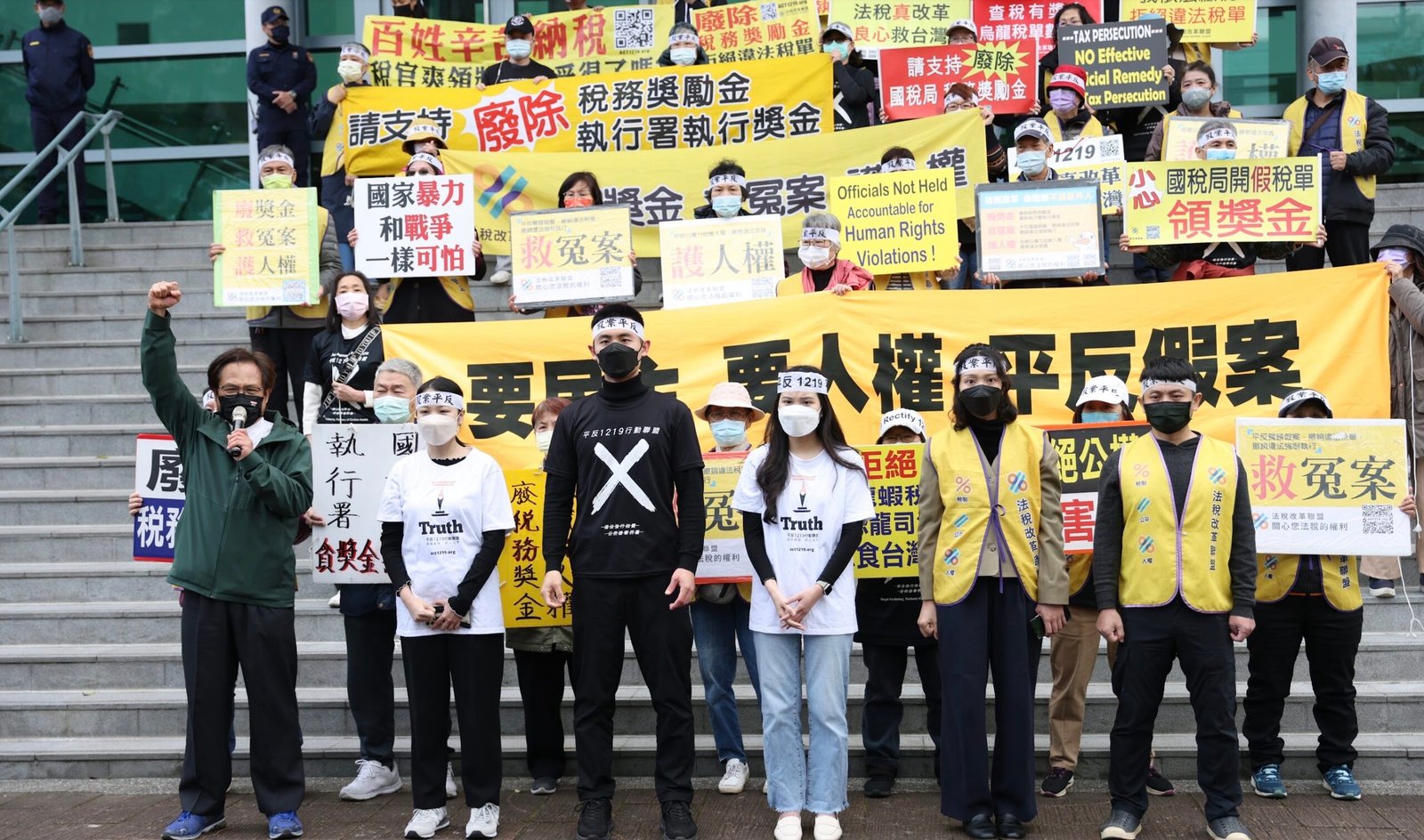
First and foremost, this is a shortsighted position, because allowing government officials and corrupt bureaucrats to wallow in injustice and torment a particular human group ultimately gives those governments and bureaucrats the power to dispose of the freedom of any human group, whatever it may be—Tai Ji Men or any other.
But above all, how can one speak of peace, celebrate peace, rejoice in peace, promote peace, while remaining blind, deaf, and mute in the face of injustice perpetrated even against a single person?
One may not have the power to change the situation truly. But indifference and silence are luxuries no human being can afford. If one indulges in them in the face of the decades-long tragedy of Tai Ji Men, hope dies. If one does so, injustice prevails, and illegality holds the power. No one can wash their hands of it.
If a special day such as the one the United Nations celebrates tomorrow, and which we are recalling today in relation to the tragic case of Tai Ji Men, is to have any real meaning, then everyone must look at the situations of conflict generated by unjust laws—or laws that are misapplied or subordinated to power—laws that destroy the true meaning of the word freedom—beginning with the case of Tai Ji Men.
If each person, in their heart, were to devote at least one minute tomorrow to this cause, and, if possible, also act together in concert so that the case of Tai Ji Men—absurd, ridiculous, appalling—might be resolved, then peace will truly have begun to flourish.

Marco Respinti is an Italian professional journalist, member of the International Federation of Journalists (IFJ), author, translator, and lecturer. He has contributed and contributes to several journals and magazines both in print and online, both in Italy and abroad. Author of books and chapter in books, he has translated and/or edited works by, among others, Edmund Burke, Charles Dickens, T.S. Eliot, Russell Kirk, J.R.R. Tolkien, Régine Pernoud and Gustave Thibon. A Senior fellow at the Russell Kirk Center for Cultural Renewal (a non-partisan, non-profit U.S. educational organization based in Mecosta, Michigan), he is also a founding member as well as a member of the Advisory Council of the Center for European Renewal (a non-profit, non-partisan pan-European educational organization based in The Hague, The Netherlands). A member of the Advisory Council of the European Federation for Freedom of Belief, in December 2022, the Universal Peace Federation bestowed on him, among others, the title of Ambassador of Peace. From February 2018 to December 2022, he has been the Editor-in-Chief of International Family News. He serves as Director-in-Charge of the academic publication The Journal of CESNUR and Bitter Winter: A Magazine on Religious Liberty and Human Rights.