In Dharamshala, exhibits lead visitors into the three years in which Tibetans confronted state violence and carried their resistance into history.
by Tashi Dhargey
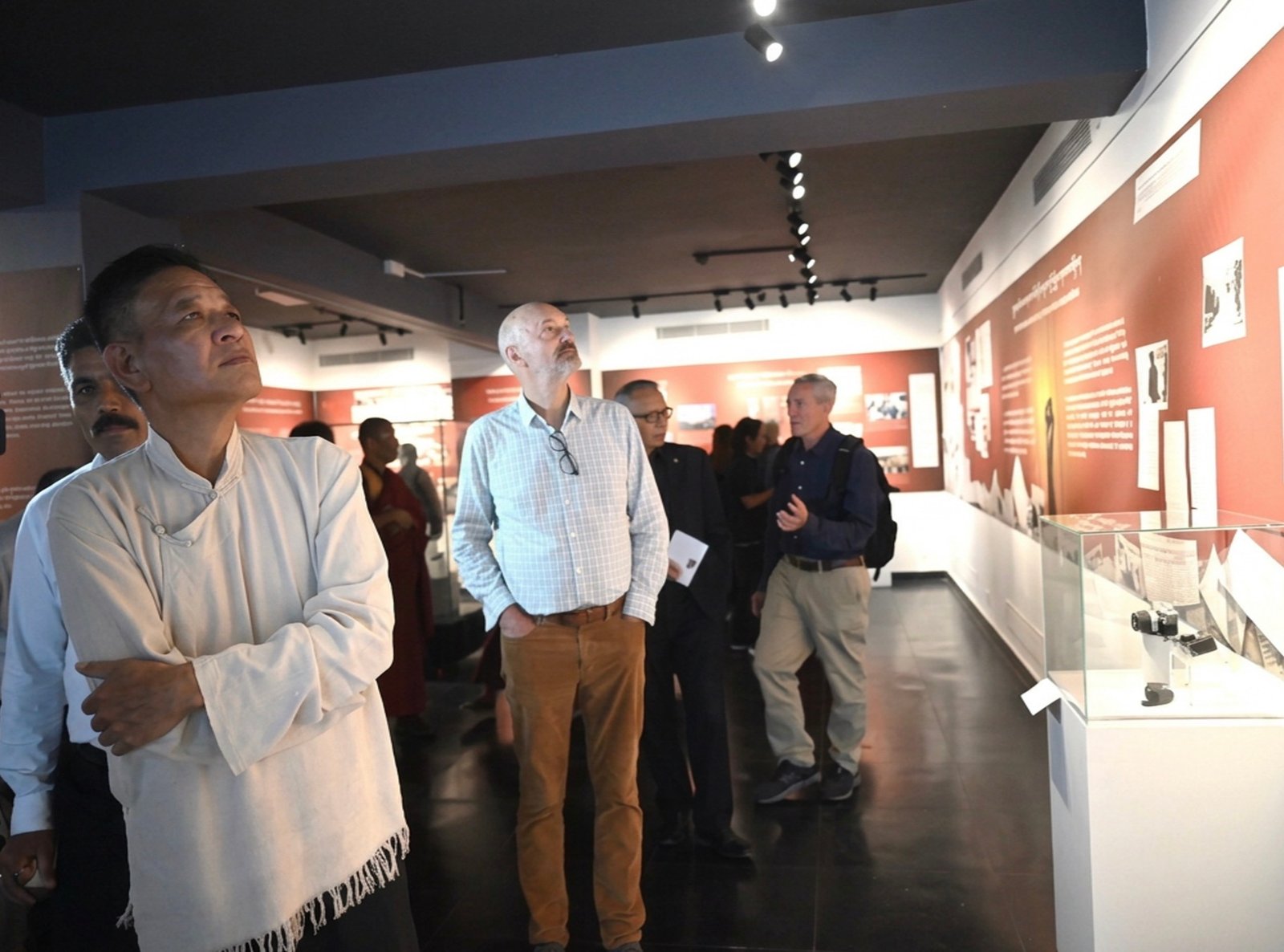
The inauguration of the temporary exhibition at The Tibet Museum in Dharamshala on 14 September 2026 unfolded with the solemnity expected from an event attended by Sikyong Penpa Tsering (the head of Tibet’s government-in-exile), former political prisoners, eyewitnesses from abroad, and Tibetans who had lived through the unrest. The butter lamp was lit, the ribbon was cut, and the guests entered a space arranged to evoke the years between 1987 and 1989. The ceremony created a moment of calm before the narrative of the uprising emerged through photographs, documents, and testimonies.
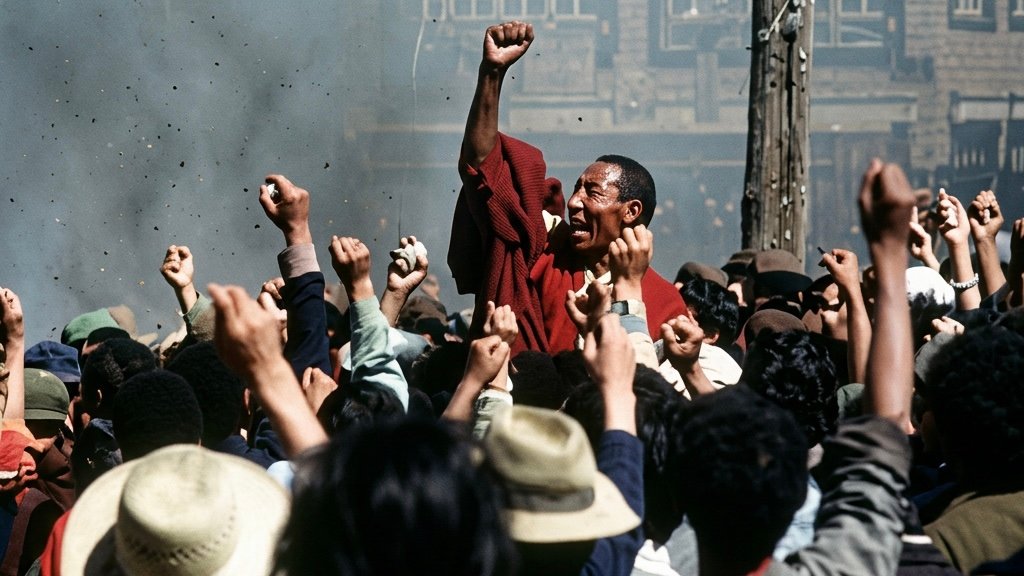
The exhibition’s halls guide visitors toward the atmosphere of Lhasa in 1987, a city where monks from Drepung and Sera walked into the streets carrying the Tibetan flag and chanting slogans that expressed a collective refusal to accept the political order imposed by Beijing. The protests multiplied across Tibet, reaching more than 150 demonstrations in over 40 locations according to accounts later provided by a Chinese official who defected. The scale of the unrest revealed a society that had reached a point of confrontation with the state, and the response from Chinese security forces grew increasingly violent.
Eyewitnesses Dr Blake Kerr and John Ackerly entered Lhasa as young travellers and found themselves in the middle of the crackdown. Their recollections form some of the most vivid elements of the exhibition. Ackerly was arrested after police noticed a sticker of the Tibetan flag on his camera bag. Kerr described scenes that remained with him for decades: prisoners with their arms bound until their elbows broke, tongues cut before execution to prevent last words, and loudspeaker trucks roaming the streets broadcasting propaganda after the Dalai Lama unveiled his Five-Point Peace Plan in September 1987.
The uprising intensified on 1 October, National Day of the People’s Republic of China. Smoke drifted across the Barkhor near the Jokhang. Sera monks circled the temple shouting “Free Tibet, China out of Tibet,” and many were taken away. Kerr remembered police trucks arriving and officers beating Tibetans with a brutality he compared to clubbing baby seals. Security forces fired from rooftops and streets. A father carried his ten-year-old son who had been shot in the heart, and the child died seconds later despite attempts to stop the bleeding. A young man of twenty-five fell soon after. The two Americans witnessed other scenes that conveyed the scale of the violence. Through their cameras, they documented monks carrying Tibetan flags, police firing from elevated positions, and raids that tore through neighbourhoods.
Their testimonies also describe the suffering of Tibetan women subjected to forced abortion and sterilisation. The story of their friend Rinchen appears in the exhibition as an example of the policies imposed on Tibetan families during those years. The uprising was not limited to street demonstrations; it extended into prisons, where sentences often expanded far beyond the initial terms because political activity continued behind bars. International pressure eventually contributed to the release of some prisoners, although many disappeared or died.
The exhibition also recalls the journey Kerr and Ackerly made to Dharamshala after leaving Tibet. They met survivors, viewed displays that documented the repression, and presented their eyewitness accounts to the Dalai Lama. Their photographs and testimonies became part of the historical record of the uprising.
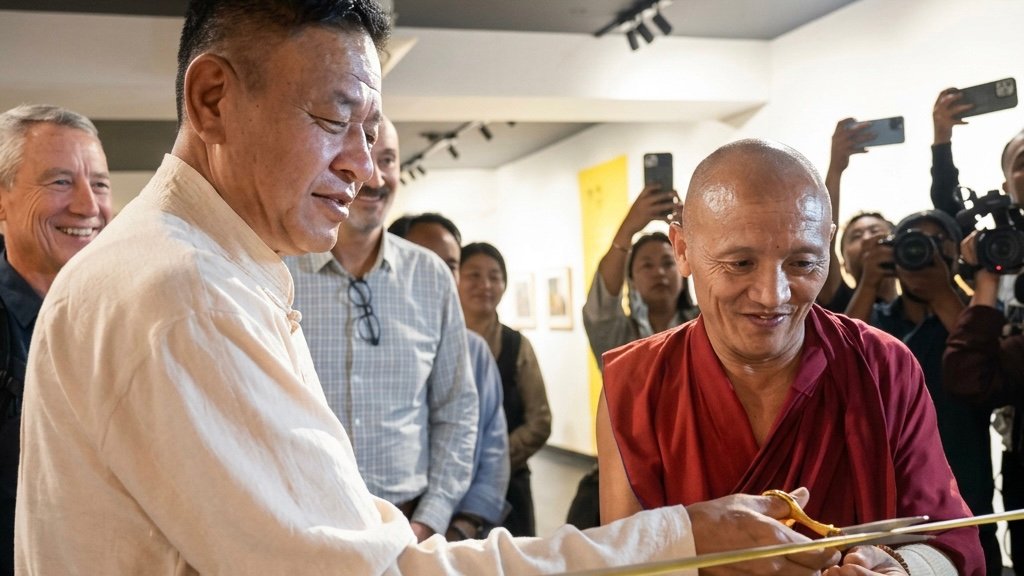
Sikyong Penpa Tsering’s remarks at the inauguration placed the events within a broader historical arc. He referred to the Chinese military invasion of eastern Tibet in the 1950s, the Seventeen-Point Agreement of 1951 signed under duress, and the devastation of the following decades. He mentioned the 70,000-Character Petition of the 10th Panchen Lama, one of the most detailed internal critiques of Chinese Communist Party policies ever produced by a Tibetan leader. He spoke of the early years of exile in India, the establishment of the community in Dharamshala, and the Dalai Lama’s travels abroad beginning in 1967. Foreign visitors entering Tibet in 1987 and 1988 encountered the protests and carried their accounts to the outside world, contributing to renewed international attention.
The programme concluded with a tribute to those who stood up for Tibet. The exhibition now offers younger Tibetans and visitors an opportunity to understand the atmosphere of the uprising, the courage of those who participated, and the violence they endured. The museum’s halls hold fragments of those years, arranged so that visitors can walk through them and understand how Tibetans carried their struggle into history.

Uses a pseudonym for security reasons.