A respectful call to the highest authorities of Pakistan to uphold fundamental rights and the rule of law.
by Sajid Sandhu
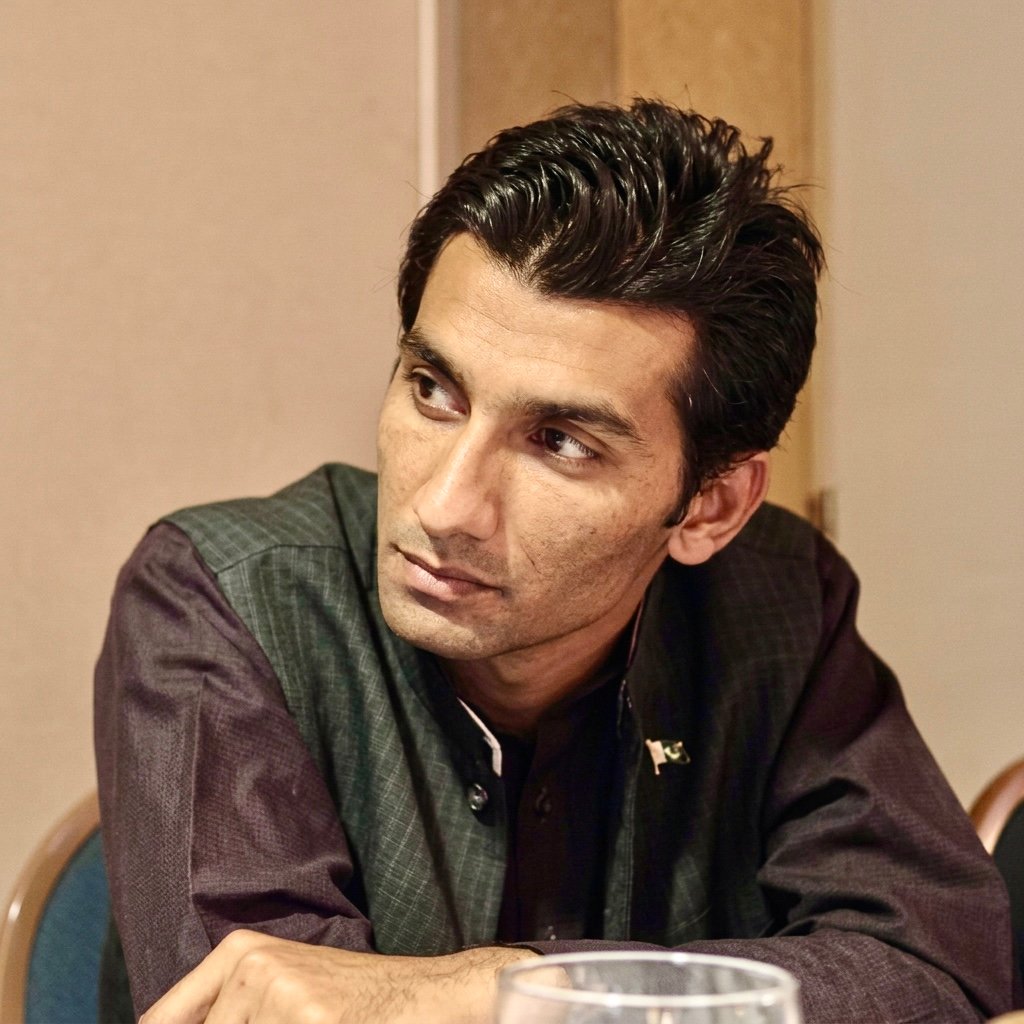
For more than thirteen years, Junaid Hafeez, a former university lecturer and member of Pakistan’s academic community, has remained behind bars in a blasphemy case that raises important questions about due process, timely justice, and the need for the judicial process to proceed independently and without fear or undue pressure.
Before his arrest, Hafeez was an educator whose professional life centered on university teaching. That academic career was interrupted when he was arrested in March 2013 on allegations of blasphemy. In December 2019, after years in detention and legal proceedings, he was convicted by a court in Multan and sentenced to death. His appeal has remained pending before the Lahore High Court since 2020.
Regardless of one’s religious, political, or legal perspective concerning the allegations, more than thirteen years of incarceration and years of delay in deciding an appeal involving a death sentence should concern anyone committed to the rule of law.
The case’s history makes these concerns particularly significant. Hafeez’s defense lawyer, Rashid Rehman, was murdered in 2014 after reportedly receiving threats linked to his representation of Hafeez.
No lawyer should fear for their life for representing an accused person. Likewise, judges must be able to examine evidence and decide cases according to law without intimidation, violence, or public pressure.
Pakistan is a deeply religious society, and the sensitivities surrounding allegations of blasphemy must be recognized and respected. But respect for religion and respect for justice should reinforce, not contradict, one another.
Calling for a fair and timely hearing is simply an appeal for due process and the proper administration of justice. The question of Hafeez’s guilt or innocence rests with the courts, which should be able to examine the evidence independently, objectively, and according to law.
If the prosecution’s evidence satisfies the required legal standard, the courts must decide accordingly. If it does not, no person should remain deprived of liberty because of fear, public pressure, religious sensitivity, or procedural delay.
The case’s prolonged nature has drawn concern from different sections of society and from those committed to the rule of law and human dignity. Without prejudging the outcome, there is a shared hope that the judicial process can move forward fairly, independently, and without further unnecessary delay. The fundamental principle remains that law and evidence should determine justice, through a process free from fear or pressure.
I respectfully appeal to the Prime Minister of Pakistan, Shehbaz Sharif, to uphold fundamental rights and the rule of law; to the Honorable Chief Justice of Pakistan, Yahya Afridi, while fully respecting judicial independence and the jurisdiction of the courts concerned, to give attention to the extraordinary delay; and to the Field Marshal and national security leadership to help ensure an environment in which judges, lawyers, witnesses, and others involved can perform their responsibilities without threats or intimidation.
This appeal fully respects the judiciary’s independence and authority. It is simply a call for the judicial process to proceed fairly, safely, and in accordance with law, allowing the case to reach a timely and lawful conclusion.
From equal justice to equal opportunity
The principle underlying the Hafeez case extends beyond the courtroom. Equal citizenship also means that a Pakistani’s religious identity should not determine their opportunities in society.
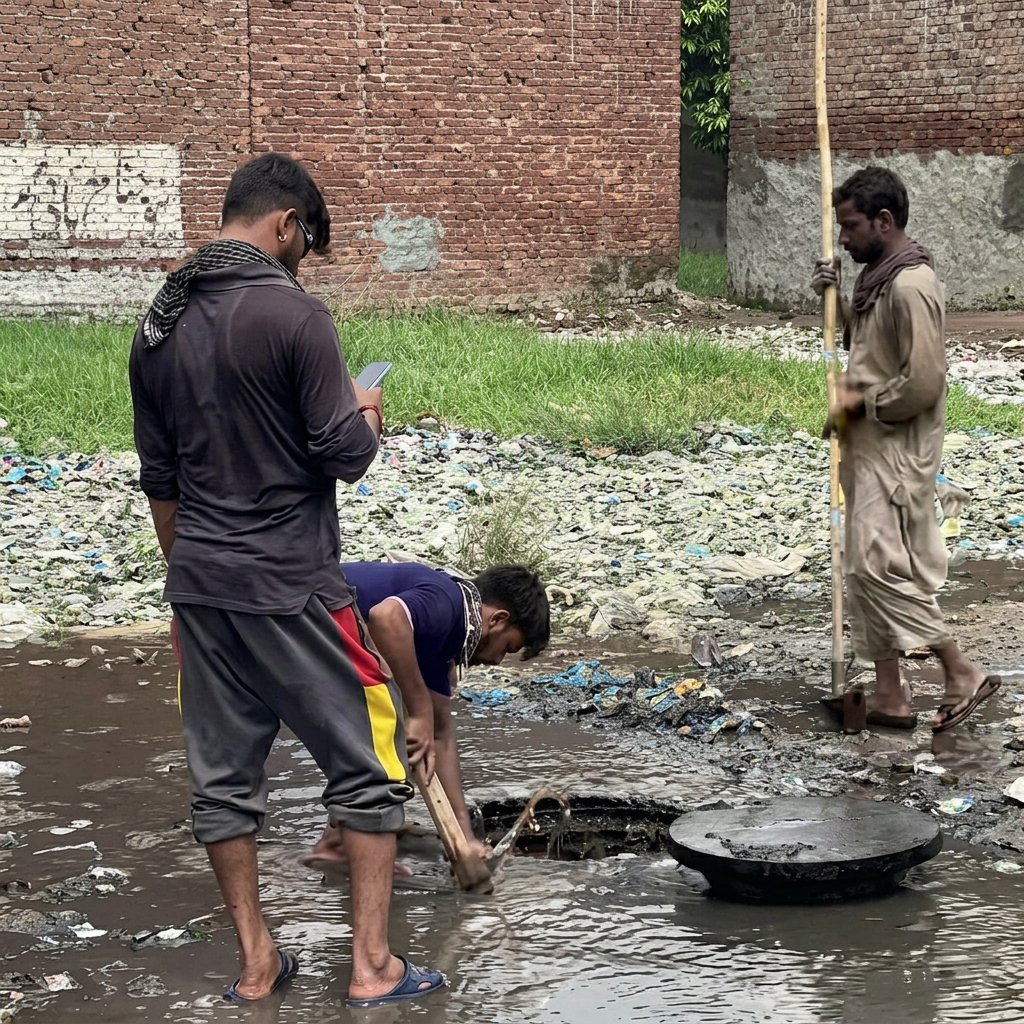
A recent recruitment advertisement reportedly issued by the Hyderabad Water & Sewerage Corporation, under the Government of Sindh, advertised 50 temporary/contract sanitary worker positions with eligibility specifically restricted to “non-Muslims.”
The problem is not sanitation work. Sanitary workers perform an essential public service and deserve dignity, respect, fair compensation, and safe working conditions.
The problem is making religious identity a qualification for sanitation work.
In a country where Christians and other religious minorities have struggled for equal opportunity and social inclusion, such language risks reinforcing the harmful stereotype that sanitation and other low-status occupations are somehow naturally associated with non-Muslims.
Article 27 of Pakistan’s Constitution provides safeguards against discrimination in public employment on grounds including religion, while permitting measures intended to address underrepresentation. But there is a fundamental difference between creating opportunities for minorities and associating minorities with particular occupations because of their religion.
Representation should open doors, not create occupational labels
Pakistan’s religious minorities have contributed significantly to national life. Christian institutions have served generations of Pakistanis through education and healthcare. Christian citizens have contributed as teachers, doctors, nurses, administrators, lawyers, entrepreneurs, members of the armed forces, and public servants.
The Junaid Hafeez case and the sanitary‑worker recruitment controversy are quite different, but they raise the same fundamental question: what does equal citizenship mean in Pakistan?
Religion should neither obstruct a citizen’s access to justice nor determine the profession a citizen is expected to enter.
Equal citizenship must mean equal justice, equal dignity, and equal opportunity.
Pakistan belongs equally to Muslims, Christians, Hindus, Sikhs, and citizens of every faith. Our institutions will become stronger when every Pakistani can pursue opportunity according to ability and receive justice according to law—without discrimination, intimidation, fear, or pressure. That is the Pakistan we should collectively work to build.
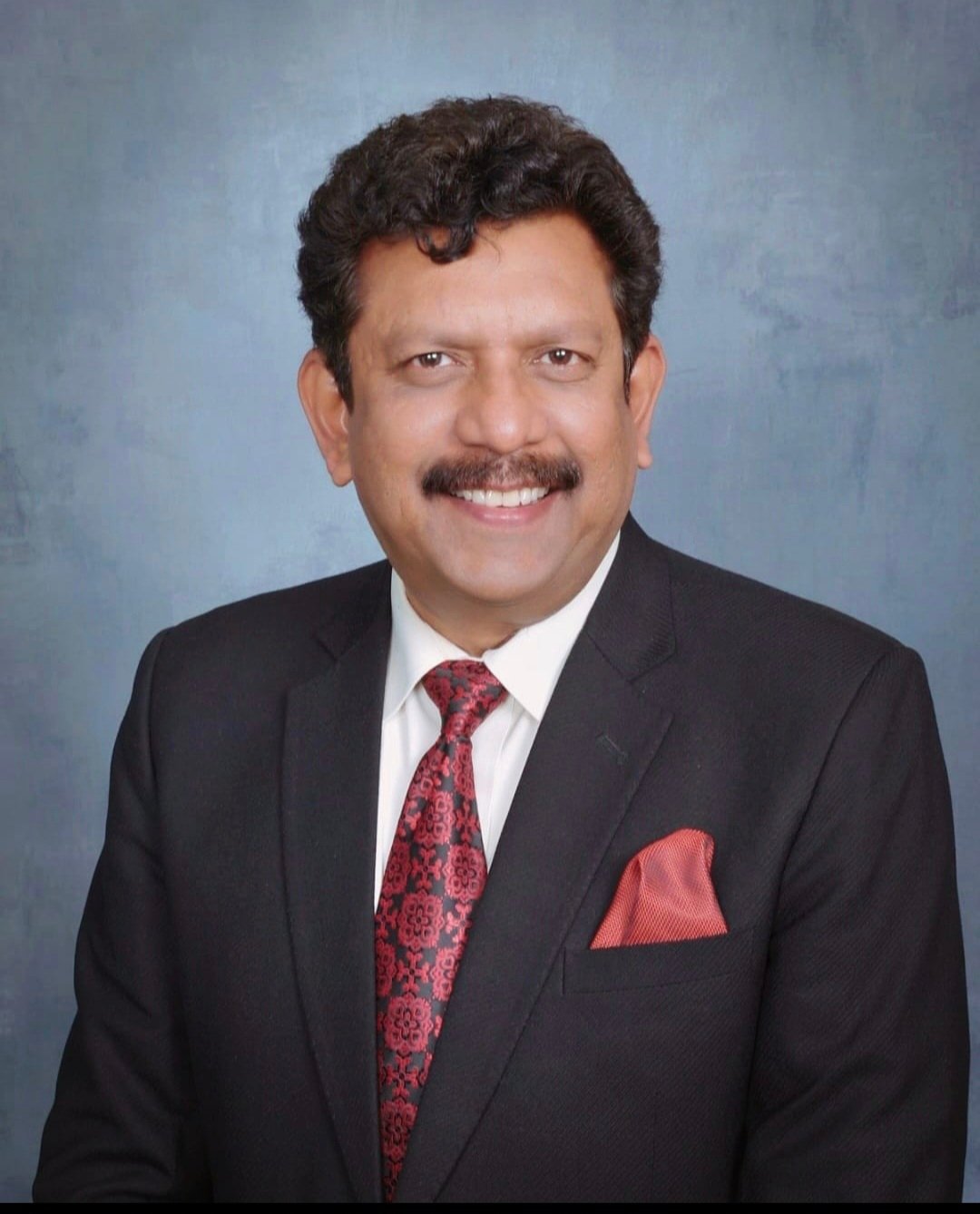
Sajid Sandhu, a Christian, is a development practitioner, interfaith leader, and advocate for religious freedom and social justice. He serves as Chairperson of the International Religious Freedom–Peace Builders Forum Pakistan & South Asia, advancing interfaith peace, equal citizenship, and human dignity.