A Taiwanese technology executive draws lessons from the semiconductor industry that are relevant to issues of tax justice and freedom of belief.
Yi-Chen Chuang*
*A paper presented at the European Academy of Religion’s Ninth Annual Conference, LUISS University of Rome, July 2, 2026.
In the fiercely competitive and fast-paced semiconductor industry, our daily vocabulary is defined by precision metrics. We speak of extreme ultraviolet lithography, high-bandwidth memory, nanometer-level alignment accuracy, and the management of massive global capital expenditures. This is a world driven entirely by data, logic, operational efficiency, and rigorous risk management. At first glance, advanced microchips and global supply chain management may appear unrelated to human rights, philosophy, or global discussions on freedom of belief.
Yet whether sustaining a multibillion-dollar technology ecosystem or maintaining a fair and just society, the underlying foundation is the same: trust. Without trust, the most sophisticated manufacturing processes will stall; without trust, even the most advanced societies will disintegrate. In governance, corporate operations, and human rights institutions, trust is the most vital yet most easily eroded form of capital.
When we invest billions of dollars to build semiconductor fabs, we rely not merely on goodwill but on absolute certainty that systems, rules, and parameters will remain consistent. Likewise, when we step beyond the corporate boardroom into the broader realm of governance, the architecture of trust becomes a profound human rights responsibility.
In semiconductor manufacturing, if a single parameter deviates by fractions of a nanometer, an entire silicon wafer is rendered defective and yields collapse instantly. Global supply chains are equally fragile; they rely entirely on predictability, transparency, and a fair competitive environment. Trust is not built on slogans but on a concrete premise—equality.
Only when rules apply uniformly to all, and authority is not determined by identity or position, will people believe in institutions and cooperate. If a multinational corporation discovers that its partner applies double standards based on the country of origin of components, the contract is terminated immediately. This strict business logic must also be applied to the highest levels of governance—states and public authority.
From a human rights perspective, equality means ensuring that every individual knows they will not be disadvantaged before public power, regardless of identity, background, position, or belief. When a government operates with discriminatory double standards, it is essentially inserting a fatal systemic flaw into its operating framework. Such flaws inevitably lead to institutional instability, erosion of public trust, and ultimately the collapse of social cooperation.
To evaluate the true quality of any system, we must examine its most sensitive parameters. In the realm of human rights, freedom of belief serves as the ultimate stress test. It is particularly critical because belief touches upon conscience and human dignity—values that must never be commodified or treated as exceptions.
In the business world, negotiations may occur over pricing, delivery schedules, or contractual terms. Yet human dignity and conscience are not negotiable assets. When institutions apply different standards to religious or belief minorities, the message is unambiguous: rights are conditional. Such conditionality is profoundly dangerous. It signals to society that government protection is a privilege reserved for the favored few, rather than a fundamental right guaranteed to all.
This undermines not only minority groups but also erodes broader public trust in the rule of law and governance integrity. Therefore, equality is the starting point of trust, while freedom of belief is the decisive indicator of whether equality has truly been realized.
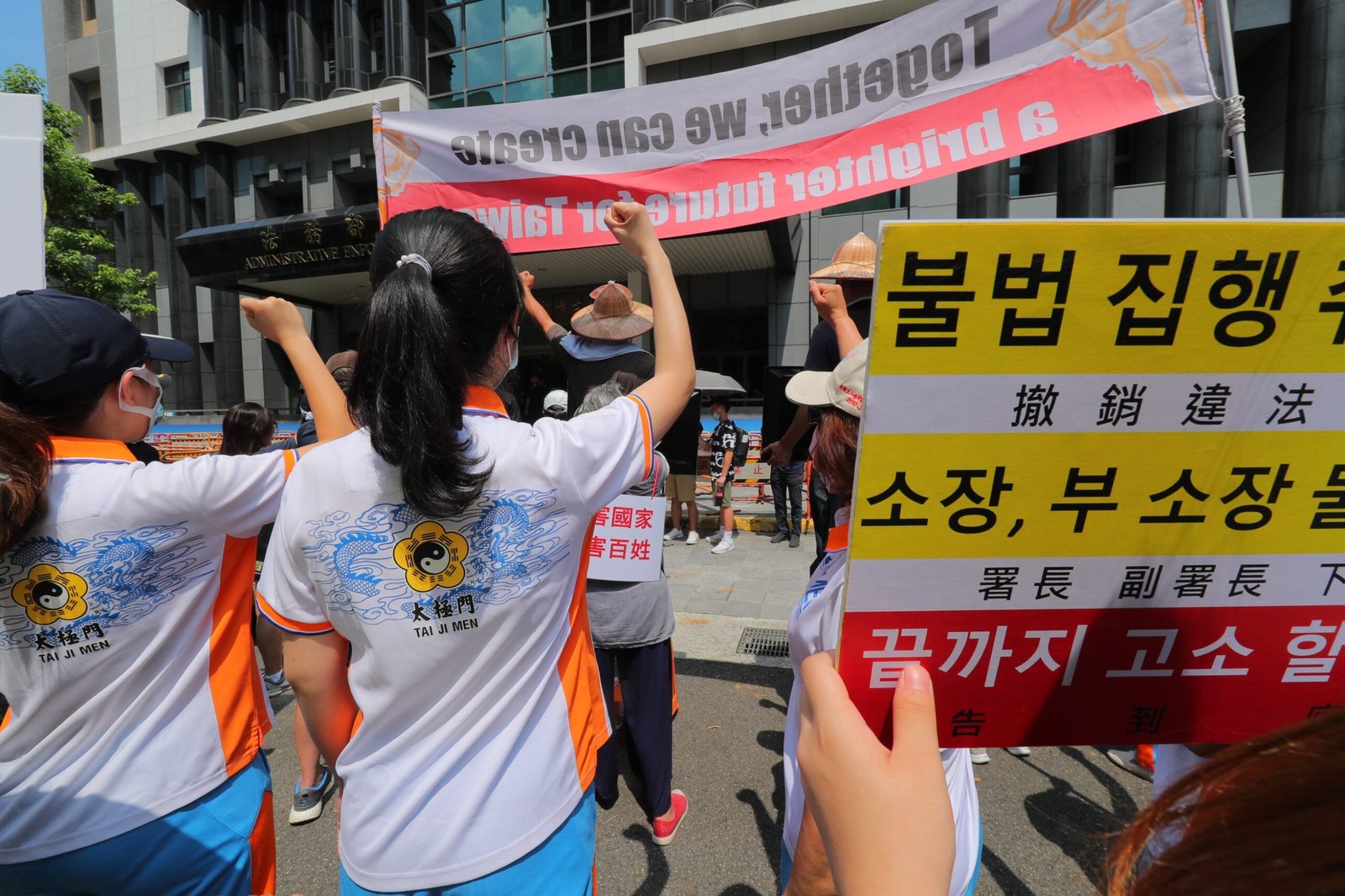
To truly understand the devastating consequences of losing systemic trust, we cannot remain at the level of abstract theory; we must examine historical evidence. Taiwan’s Tai Ji Men case, often referred to as “1219” because it started on December 19, 1996, stands as a landmark example.
In 1996, Tai Ji Men was falsely accused, subjected to large-scale raids, and its Shifu (Grand Master), his wife, and two dizi (disciples) were unlawfully detained. This fabricated case led to years of judicial and tax persecution. In the technology sector, such a breakdown would be classified as a catastrophic systemic failure. Mechanisms originally designed to safeguard citizens—the judicial and tax systems—were weaponized against a specific group due to the absence of equality and transparency.
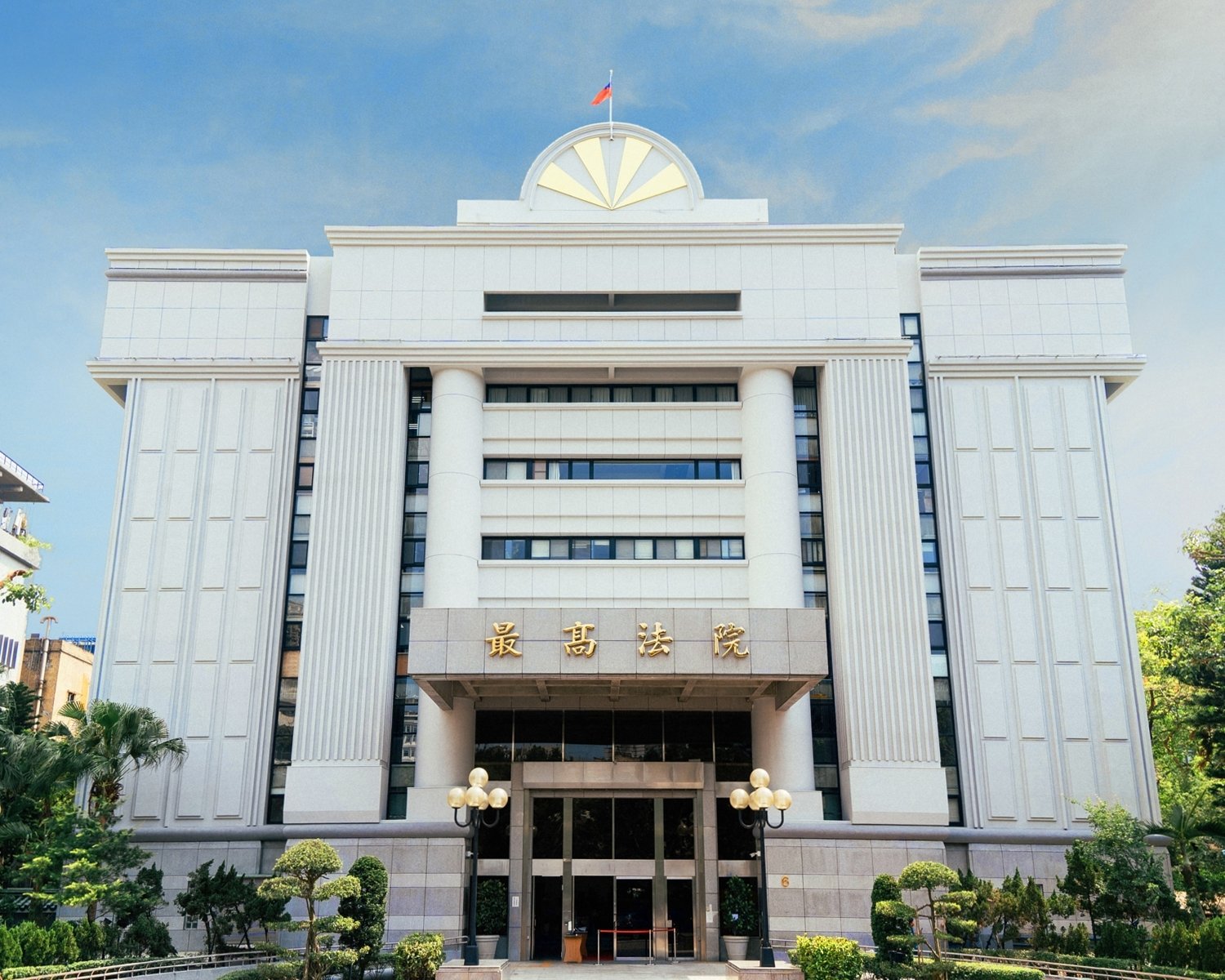
It was not until 2007 that Taiwan’s Supreme Court, after three rounds of review, delivered a final ruling: Tai Ji Men was innocent, owed no taxes, and had not violated tax collection laws. While this was a crucial legal victory, the prolonged persecution had already inflicted profound damage on tens of thousands of lives. The scars left behind reveal the institutional deficiencies in protecting freedom of belief and human rights.
This case demonstrates clearly that when public authority abandons the baseline of equality, the consequences are severe: erosion of institutional integrity, collapse of stakeholder trust, and systemic instability that undermines both governance accountability and the rule of law.
True resilience is often forged in the aftermath of severe systemic failures. In the corporate world, when crises occur, we observe how an organization recovers while remaining anchored to its core values. For decades, Tai Ji Men disciples have persisted in upholding justice with unwavering determination. Their struggle was not only about seeking redress but also about embodying conscience, integrity, and justice, while standing in solidarity with other victims of tax and legal abuse. Their example reminds society that even in the face of powerful institutions, fundamental values must be preserved.
This extraordinary resilience stems from Tai Ji Men’s core philosophy. I want to share my personal testimony here as a Tai Ji Men dizi. Through qigong practice, combining physical discipline with inner cultivation, I have learned to apply conscience and wisdom in everyday life. As a disciple, I have self-funded and self-organized journeys to New York, Vienna, and Central Asia, following Dr. Hong TaoTze in promoting a culture of love and conscience for peace. Tai Ji Men has never responded to systemic injustice with resentment; instead, its steadfast commitment to conscience has inspired genuine global solidarity.
These journeys were far from easy. Each trip required me to dedicate time and resources beyond the demands of my semiconductor career. Yet I understood this as a mission of conscience. At the United Nations headquarters in New York, I engaged with leaders from diverse cultures. I witnessed how freedom of belief is recognized as a universal value transcending religion and borders. In Vienna, I observed international organizations emphasizing the importance of human rights. In Central Asia, I encountered communities yearning for love and peace despite hardship.

These experiences strengthened my conviction that love, conscience, and peace are not abstract ideals but transformative forces capable of uniting people and driving systemic reform. Global leaders are now actively joining together under this vision. Conscience is the cornerstone of justice and sustainable prosperity. This represents a call for a system upgrade in global governance, ensuring that governments operate with the same verifiable integrity and transparency demanded of global supply chains.
Whether we are developing advanced microchips to power the next generation of artificial intelligence or drafting laws and policies to govern our societies, the foundation of success remains the same. Without precision and integrity, systems collapse; without transparency and equality, trust disappears.
In the semiconductor industry, we relentlessly pursue the standard of zero defects, investing billions of dollars to ensure absolute perfection, because we know that a microscopic flaw can bring global networks to a halt. Human rights systems must be held to the same uncompromising standard: zero discrimination and zero persecution.
The Tai Ji Men case demonstrates that respecting freedom of belief and equality is not merely a moral aspiration but the essential foundation for trust, institutional legitimacy, and social stability. Only by upholding these principles can institutions truly earn the confidence of the people.
As international scholars, business leaders, or policymakers, we must transcend borders and collaborate to uphold the principles of transparency and conscience. Through such collective effort, we can ensure that the systems governing our societies are as robust, fair, and trustworthy as the technologies we build for the future.

Chuang Yi-Chen (Erica Chuang) is a semiconductor Senior Sales Manager and MBA graduate from Taiwan. She works for the world’s leading manufacturer of photolithography systems for the semiconductor industry. She is also a Tai Ji Men dizi (disciple).