The group organizes sport and cultural events, collective study, and structured interaction with pastors of other churches. They are surprisingly “normal.”
by Massimo Introvigne
Article 2 of 4. Read article 1.
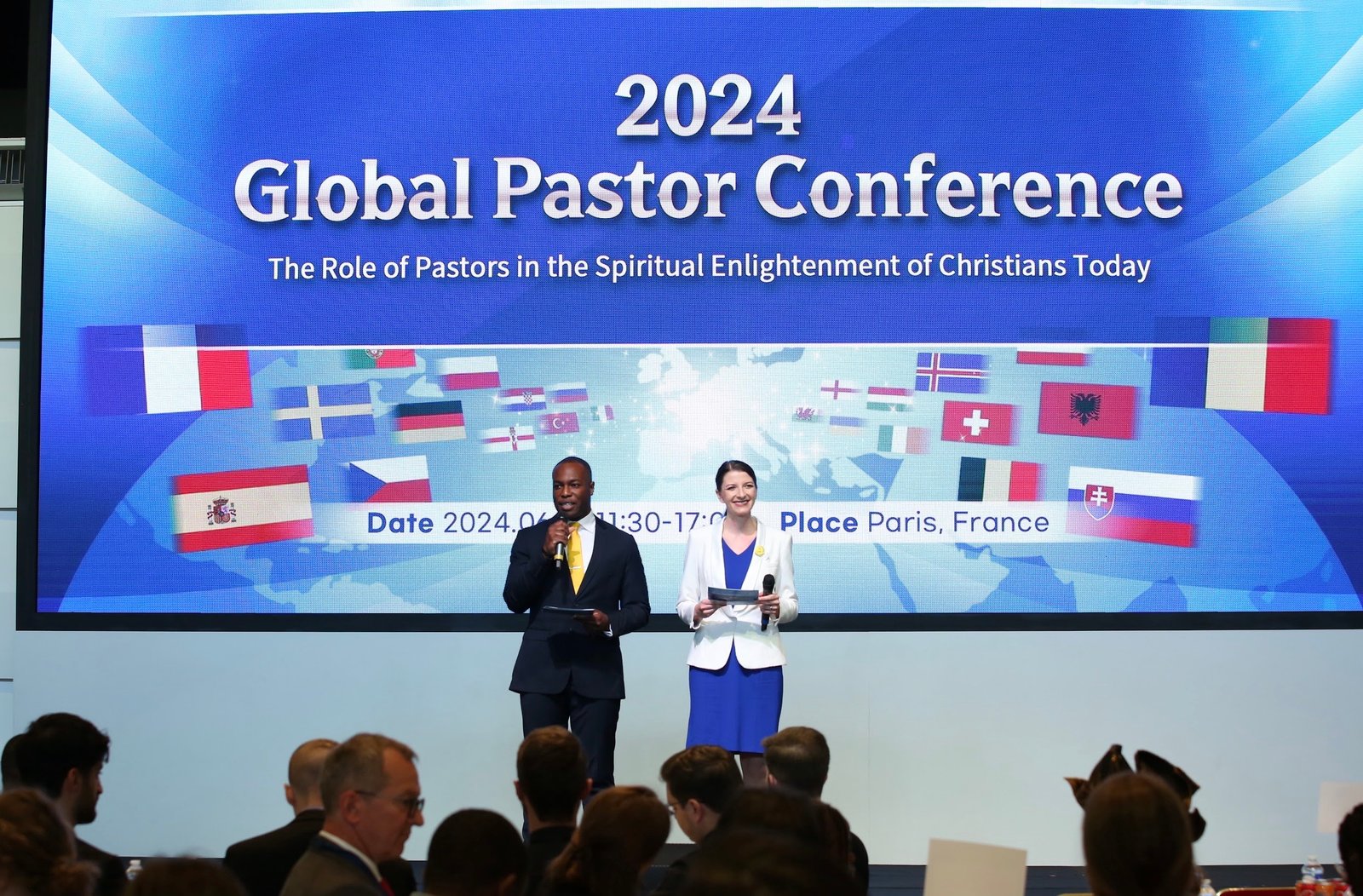
Shincheonji is often described from the outside through the lens of controversy. Those who take the time to observe its daily life in France encounter something different. The movement has developed a dense network of activities that go far beyond evangelization. These activities include sports, cultural events, collective study, and structured dialogue with pastors of other churches. They create a community that is both disciplined and lively, where members invest significant time and energy. The interviews I conducted in France reveal a world that is rarely acknowledged in media accounts. It is a world where people study the Bible with intensity, cultivate friendships, and engage in activities that strengthen their sense of belonging.
Several interviewees described a rhythm of life that combines work, study, and community events. One of them, L., explained that she teaches the Bible and continues to do evangelization, something she had already practiced in her previous church. She said that she does it more joyfully now because she has found answers to questions she had carried for years. She described her daily life as a combination of teaching, studying, and interacting with people from different backgrounds. She emphasized that she speaks about the Bible not only in formal settings but also in informal conversations with friends and family. For her, this is a natural extension of her faith.
Another interviewee, S., described a similar pattern. He grew up in a Christian family and had been active in youth gatherings in his previous church. He said that he had many questions about how to live a life of faith and how to understand the Bible. He did not find answers in the churches he attended. He found them in Shincheonji. He now participates in evangelization and attends services on Wednesdays and Sundays. He said that his parents know about his involvement and that he has been clear with them from the beginning. He described his life in Shincheonji as structured and purposeful.
The movement’s activities in France include sports events that bring together large numbers of members. These events are not peripheral. They are part of the community’s culture. One interviewee, C., described a sports day where all congregation members gathered to play basketball, football, volleyball, badminton, and dance. She said that these events are meant to promote health and strengthen bonds among members. She recalled that during one of these events they encountered other runners who greeted them. She laughed as she remembered that some participants would have preferred to sleep longer, but the early morning exercise helped them stay healthy and alert.
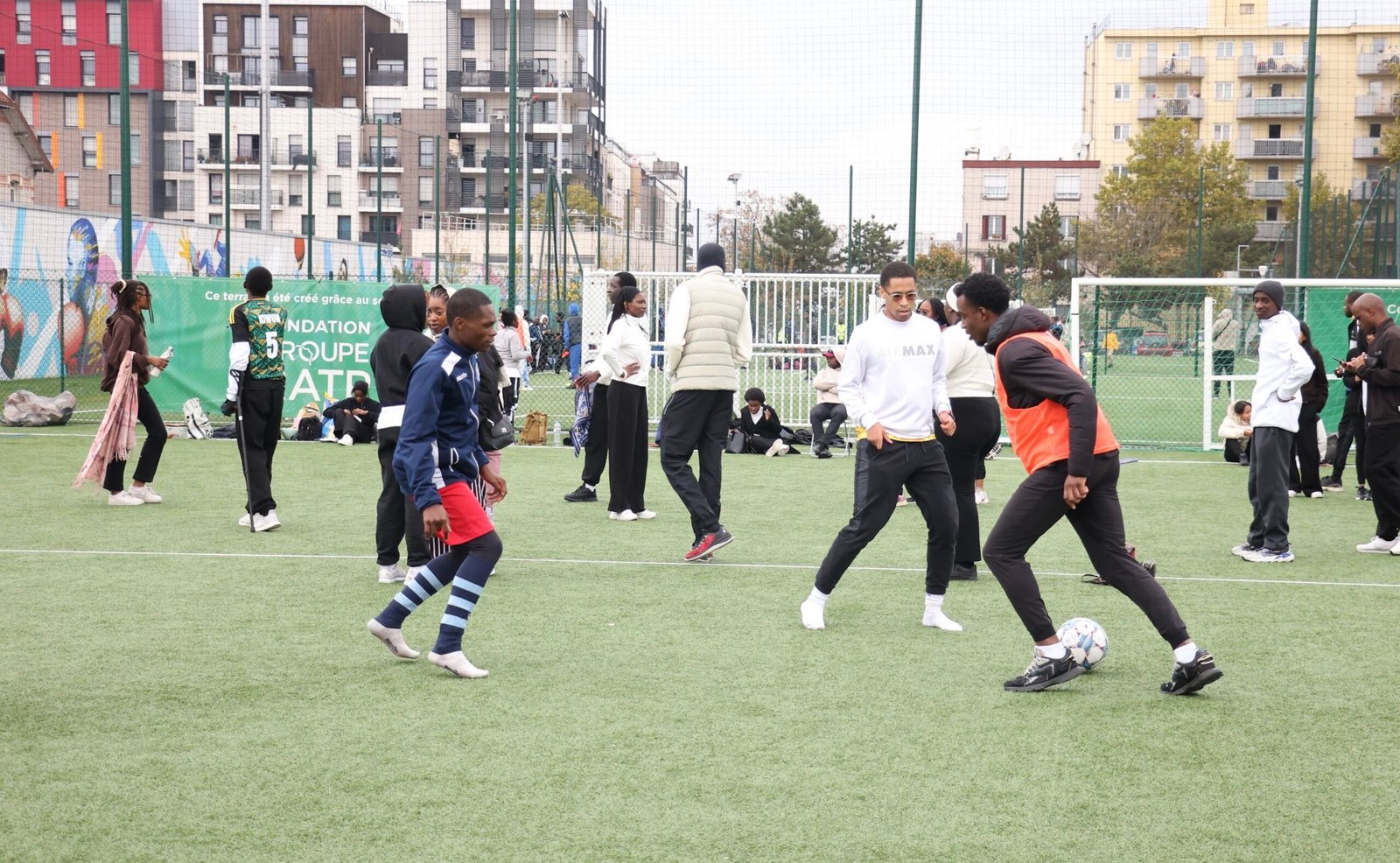
These sports activities have attracted attention from critics, who have described them as part of a so-called training camp, described as sinister and reminiscent of paramilitary training. The interviewees offered a different perspective. They explained that the early morning exercise sessions took place because members had to go to work or school afterward. The idea was to maintain good physical condition and prepare for the day. They insisted that these activities were not coercive. They were part of a routine that combined physical and spiritual discipline. One interviewee said that she had practiced early morning exercise even before joining Shincheonji.
The movement also organizes weekend gatherings that include games, study sessions, and communal meals. These gatherings create a sense of community that many interviewees described as important in their lives. One of them, M., said that she had been active in a Protestant church for twenty-three years before joining Shincheonji. She said that she had been touched by the teachings she heard during an online event organized during the COVID-19 pandemic. She now participates in various activities, including sports and study sessions. She described the community as supportive and said that she feels encouraged to grow spiritually.
Dialogue with pastors of other churches is another aspect of Shincheonji’s activities in France. Several interviewees mentioned that they have met pastors from different denominations. They said that these pastors often appreciate the opportunity to discuss theology, even if they do not intend to join Shincheonji. The movement’s leaders regard these conversations as valuable. They believe that entering into dialogue with other Christian leaders helps clarify misunderstandings and fosters mutual respect. One interviewee said that she enjoys these conversations because they allow her to explain what she has learned and to hear different perspectives. Clearly, the devotees I interviewed hope that some of these pastors would eventually join Shincheonji. However, they realize that many would not. They maintain generally good relations with those who do not join and believe that exposing them to Shincheonji ideas is at any rate useful.
These dialogues are not limited to formal meetings. They also occur in everyday interactions. One interviewee said that she often speaks with friends from different Christian backgrounds. She said that these conversations are an opportunity to share what she has learned and to listen to others. She emphasized that she does not pressure anyone to join Shincheonji. She simply shares her experience. She also denies disguising Shincheonji under other names. She says she always refers to her church as “Shincheonji Church” when discussing it with others.
The teaching structure of Shincheonji is another important aspect of its activities in France, as it is in Korea and internationally. The movement offers a nine-month curriculum divided into three levels: introduction, intermediate, and advanced. Students must pass exams at the end of each level to progress. Several interviewees described this curriculum as demanding but rewarding. One of them said that she had been suspicious at first but decided to continue because the teachings made sense to her. She said that she verified everything with the Bible and found that the explanations were consistent.
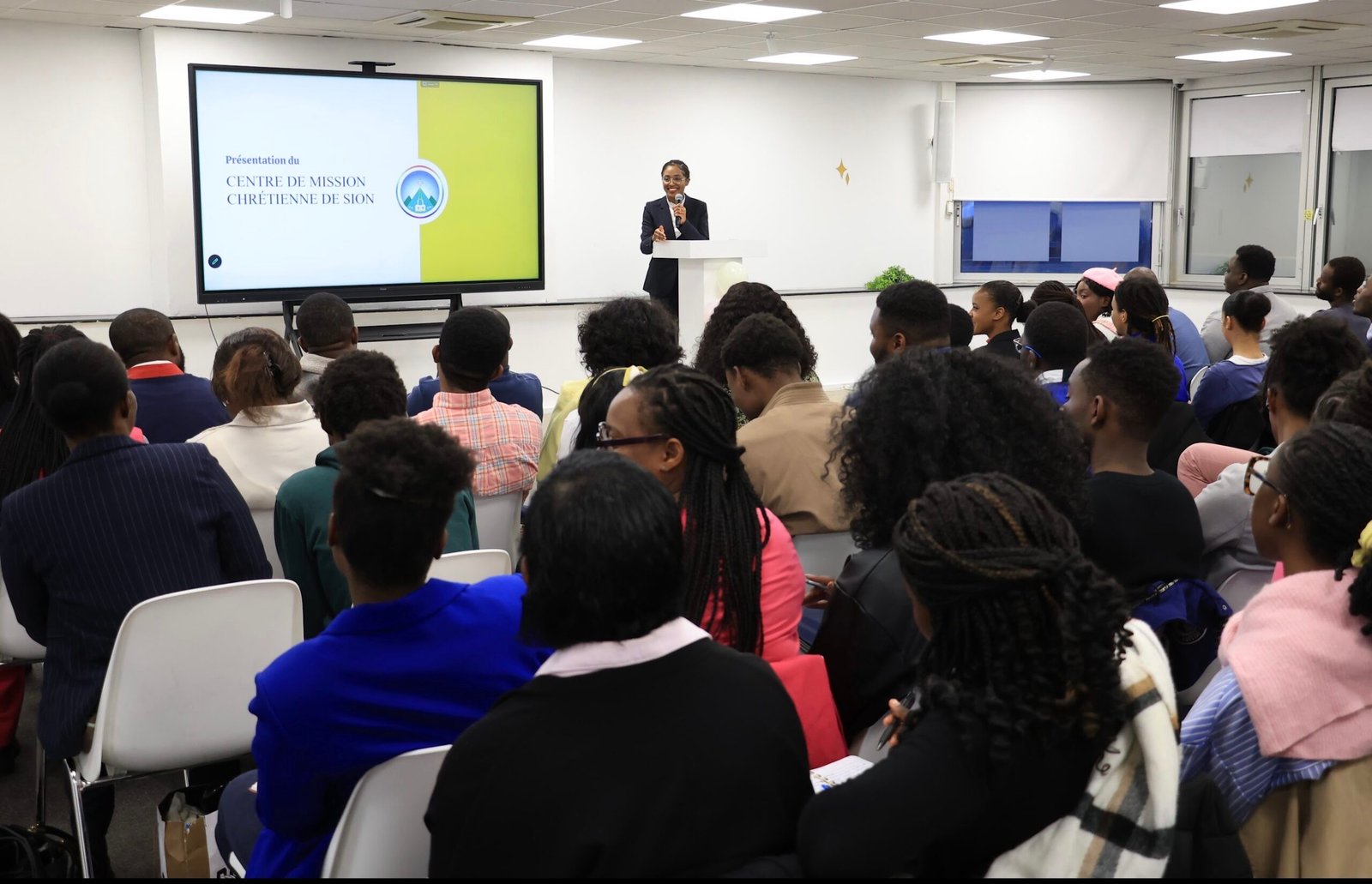
Another interviewee said that she had been contacted online and invited to attend a conference. She was initially cautious but decided to participate. She said that she had been searching for answers about Christian eschatology. She had asked priests and pastors but had received different answers. She said that she cried after one of these encounters because she felt frustrated. When she attended the Shincheonji conference, she found the explanations precise. She verified them by reading the Bible and decided to continue. She said that she had been afraid of encountering something strange but found instead a structured curriculum that encouraged questions.
The teaching environment is described by interviewees as interactive. They said that they are encouraged to ask questions and to verify everything with the Bible. One interviewee said that she had been told in her previous church that Revelation could not be understood. She said that she found it liberating to study it in detail. Another said that she had been discouraged from asking questions in her previous church. She said that in Shincheonji she was encouraged to ask as many questions as she wanted.
Evangelization in France takes different forms. Some interviewees described approaching people in the street. Others described online evangelization. One interviewee said that she had been contacted on Instagram by someone who complimented her for playing music for God in another church. They stayed in touch and later met on Zoom. She said that she had been searching for answers and found them in the teachings she received. Another interviewee said that she had been approached in the street while on her way to a concert. She said that she had been praying for her grandmother, who was ill, and had been thinking about how to get closer to God. She regarded the encounter as timely.
These stories reveal a pattern. People join Shincheonji not because of pressure but because they are searching for answers. They encounter the movement through different channels. They attend conferences, study sessions, or online meetings. They are encouraged to verify what they hear by looking at the Bible. They decide to continue because they find the teachings coherent. They then participate in activities that strengthen their sense of community.
The movement’s activities also include cultural events. One interviewee mentioned that she teaches French and Korean outside the church. She said that she sometimes participates in cultural exchanges that involve language and music.
These activities are not formally part of Shincheonji’s structure, but they reflect the multicultural environment in which the movement operates.
The interviews also reveal that Shincheonji members in France maintain normal lives. They work, study, and interact with their families. One interviewee said that she is a quality, safety, and environment assistant in a waste collection company. Another reported that he is a plumber preparing for a career change. Another said that she works in design. Another is a communication officer in an insurance company and also serves as deputy mayor of her village. These details show that Shincheonji members are integrated into French society.
The movement’s activities create a sense of purpose. Members describe their involvement as meaningful. They believe that the movement is more than a church. It is a community that studies, plays, discusses, and grows together. It invests in physical health, intellectual engagement, and spiritual development. It seeks dialogue with others and welcomes questions. It is a community that has created a distinctive space in the French religious landscape.

Massimo Introvigne (born June 14, 1955 in Rome) is an Italian sociologist of religions. He is the founder and managing director of the Center for Studies on New Religions (CESNUR), an international network of scholars who study new religious movements. Introvigne is the author of some 70 books and more than 100 articles in the field of sociology of religion. He was the main author of the Enciclopedia delle religioni in Italia (Encyclopedia of Religions in Italy). He is a member of the editorial board for the Interdisciplinary Journal of Research on Religion and of the executive board of University of Pennsylvania Press’ Nova Religio. From January 5 to December 31, 2011, he has served as the “Representative on combating racism, xenophobia and discrimination, with a special focus on discrimination against Christians and members of other religions” of the Organization for Security and Co-operation in Europe (OSCE). From 2012 to 2015 he served as chairperson of the Observatory of Religious Liberty, instituted by the Italian Ministry of Foreign Affairs in order to monitor problems of religious liberty on a worldwide scale.