Why do some politicians and media refuse to recognize what many Nigerian Christians and their supporters regard as an obvious genocide?
by Antonio Graceffo
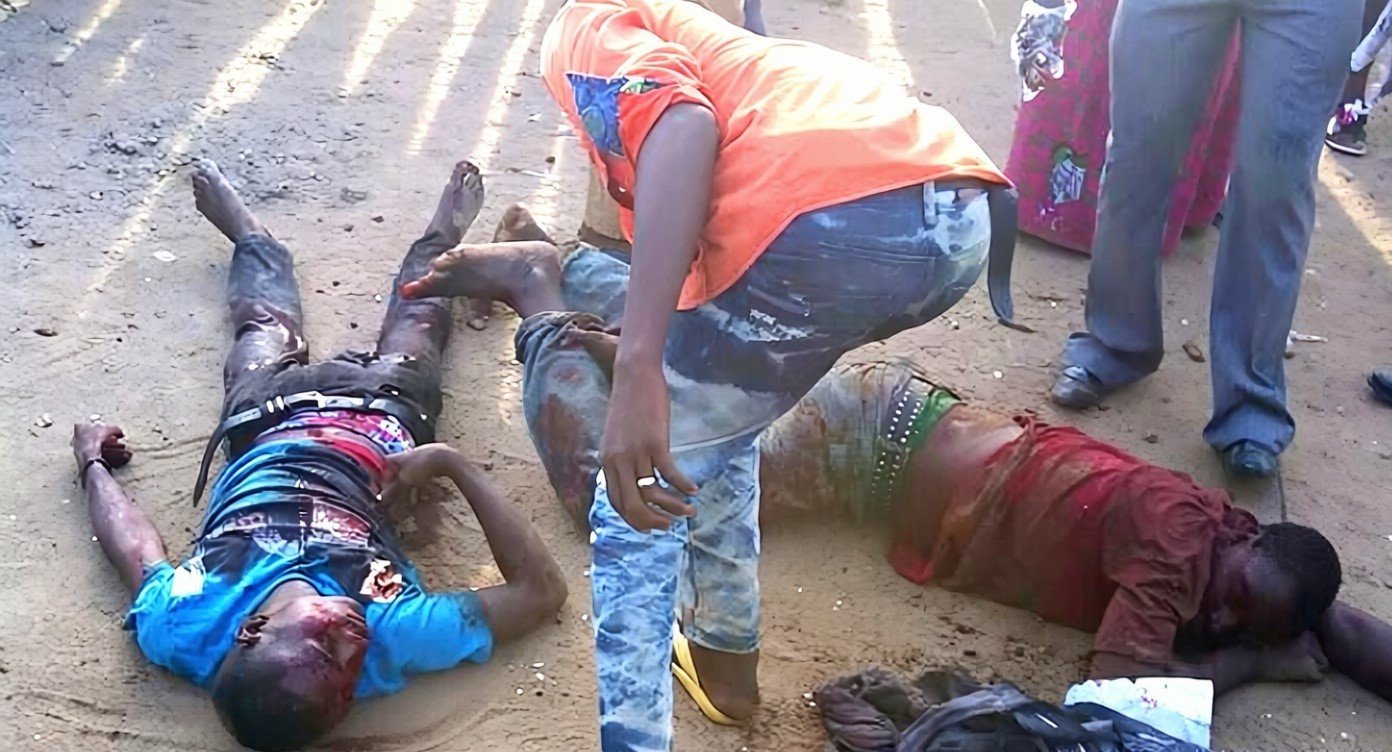
On May 16, 2026, gunmen stormed three schools in Oriire Local Government Area of Oyo State, abducting 39 students and seven teachers in a coordinated attack. The principal of Community High School, Rachael Alamu Folawe, was driven away in her own vehicle at gunpoint and forced into a forest reserve. One of the abducted teachers, mathematics instructor Michael Oyedokun, was beheaded in captivity. His killers filmed the execution and released the video on social media.
A joint rescue operation by soldiers, police, and local vigilantes was halted when operatives encountered improvised explosive devices planted by the attackers. Six suspects have been arrested. The remaining victims are still missing.
The “New York Times” described the case as rare, but there is nothing rare about attacks on Nigeria’s Christian communities. Murders, kidnappings, and assaults occur daily, killing and abducting thousands each year. The perpetrators span every major armed group carrying out the violence, including Fulani militants, Boko Haram, and ISWAP, all Muslim groups. Yet when no group claims responsibility, the Nigerian government and much of the international press label the attackers “bandits” or “unknown gunmen.”
The rebranding of Islamists as “bandits” and “gunmen” is the result of deliberate policy. An internal message circulated on a verified Nigerian military-media WhatsApp platform shows defense officials instructing journalists to abandon the term. The Director of Defense Media Operations, Markus Kangye, wrote: “It has to do with nomenclature. We want to desist from the use of the word ‘bandits.’ There are legislations and executive orders that have designated them as ‘terrorists.’” Kangye’s response suggests that some recognize that these attacks are terrorism and not simple banditry.
In Nigeria’s Middle Belt, including Benue, Plateau, and Nasarawa, attacks attributed to “bandits” follow a consistent pattern: villages are razed, farmers are displaced, Christians are killed, and churches are destroyed. Survivor testimony directly contradicts the official labels. Despite authorities attributing the attacks to criminals, multiple eyewitnesses told International Christian Concern the attackers are Muslim Fula militias, shouting “Allahu Akbar” before killing.
While in Nigeria, this reporter attended two conferences of Christian pastors discussing the violence, during which I conducted numerous interviews with victims and eyewitnesses, all of whom confirmed that the attackers were Fulani Islamists. Additionally, they all described the attacks as having a religious dimension.
Several victims said they were told they could be released if they renounced Jesus. Others said they were forced to pray multiple times per day alongside the Fulani in the hope that they would convert to Islam.
One survivor described captives being executed after religious sermons. “They lined people up and shot them in the head. They preached Islam first. We buried 178 bodies in two days.” The Catholic Bishops Conference stated that “insurgents, herdsmen militia, bandits, and so-called ‘unknown gunmen’ have continued to unleash terror in different parts of the country,” the bishops’ use of “so-called” signals their explicit rejection of the government’s framing. Security analysts note the government’s reluctance to label the groups as terrorists, and former President Muhammadu Buhari was accused of sympathizing with perpetrators who share his ethnic Fulani affiliation.
The scale of the violence is enormous. A 2024 report by the Observatory for Religious Freedom in Africa documented nearly 56,000 deaths from ethnic and religious violence across Nigeria in just four years, with Christians disproportionately represented among the victims. Open Doors, the world’s leading monitor of Christian persecution, recorded more than 3,100 Christians killed in Nigeria in the year ending September 2024 and identified Nigeria as the deadliest country in the world for Christians. In the year ending September 2025, 3,490 of the 4,849 Christians killed worldwide directly for their faith were killed in Nigeria, meaning Nigeria alone accounted for approximately 72 percent of all Christians murdered globally directly for their faith during that period.
Other organizations report even higher figures. International Christian Concern states that since 2009, at least 190,150 Nigerians, including 128,750 Christians, have been killed in ethno-religious violence and explicitly describes the situation as genocide. Intersociety, a Nigerian human rights NGO, reports that between 2010 and October 2025, at least 185,000 people were killed because of their faith, including 125,000 Christians, while 19,100 churches were burned and 1,100 Christian communities were seized. The Observatory for Religious Freedom in Africa separately documented 66,656 killings between October 2019 and September 2024, attributing 47 percent of civilian deaths to Fulani militants and recording 2.4 Christians killed for every Muslim.
According to US government reporting spanning multiple administrations, Vatican-linked documentation, and independent researchers, and confirmed by interviews I conducted in Nigeria, Christian villages are burned, churches destroyed, and Christians displaced. At the same time, Muslim communities in the same areas are largely untouched. Land is seized and resettled after attacks. Prosecution of perpetrators is rare to nonexistent.
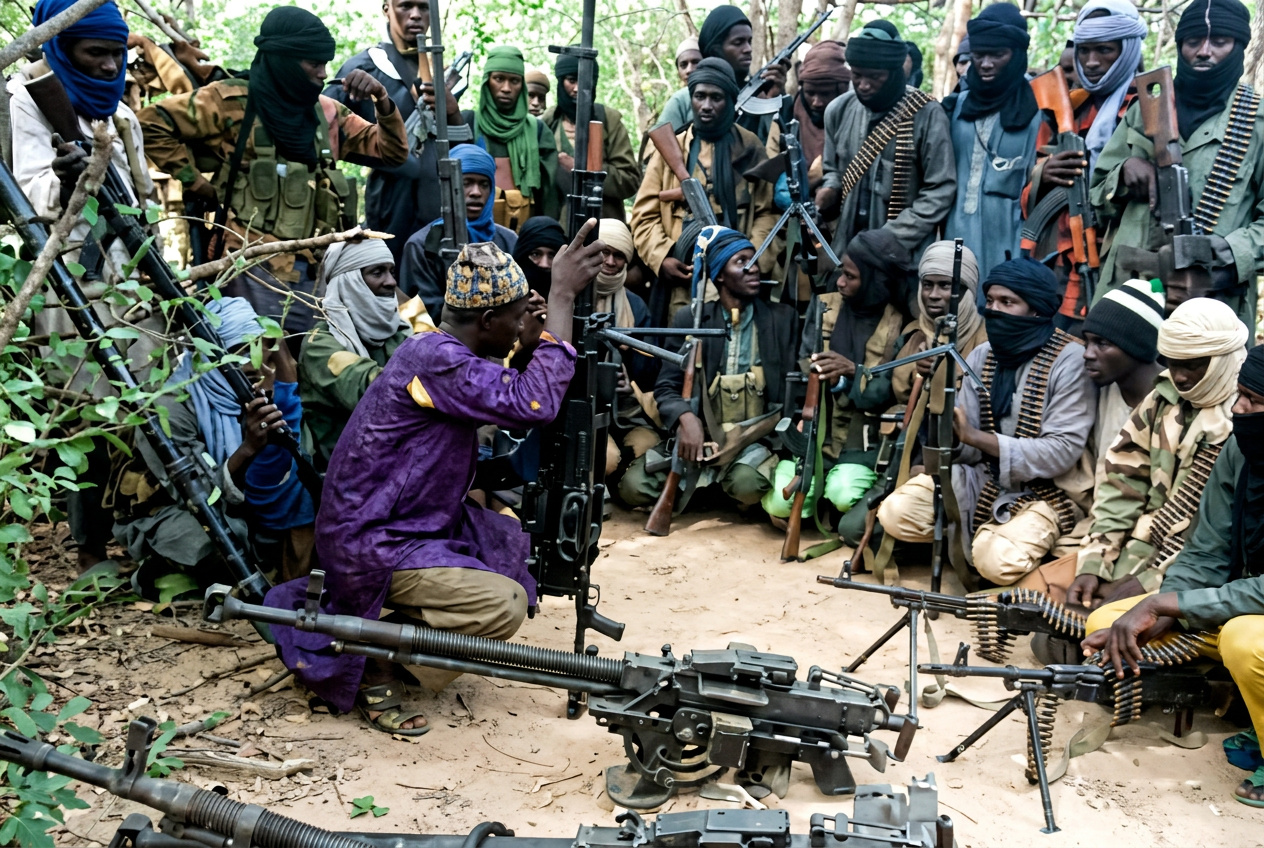
Survivors consistently report attackers making explicitly religious statements during the killings. The destruction of farming communities, seizure of ancestral lands, and mass displacement could constitute “deliberately inflicting conditions calculated to destroy” a group’s way of life under the genocide convention. International tribunals have repeatedly relied on circumstantial evidence to establish genocidal intent when direct evidence was unavailable. The Rwanda genocide tribunal, for example, did not require perpetrators to openly confess eliminationist intent to reach genocide convictions.
The evidence of the ongoing persecution of Christians by Muslims in Nigeria is not in question. What remains to be determined, however, is whether these attacks constitute a genocide.
The 1948 UN Convention on the Prevention and Punishment of the Crime of Genocide defines genocide as acts committed with the intent to destroy, in whole or in part, a national, ethnic, racial, or religious group. These acts include killing members of the group, causing serious bodily or mental harm, deliberately inflicting conditions calculated to destroy the group, imposing measures to prevent births, or forcibly transferring children. The key element is intent, specifically the legal concept of “dolus specialis,” meaning the perpetrator acts with the specific purpose of destroying the group as such, not merely attacking individuals who happen to belong to it.
Those who argue the violence in Nigeria does not meet the genocide definition most often focus on the intent requirement, claiming the attacks are driven by competition over land and water, desertification, and the collapse of traditional grazing routes. This is the position advanced by the Nigerian government and many outside analysts.
However, that framework is circular reasoning rather than an independent finding. The logic runs: the motive is assumed to be land and climate; therefore, the intent is not eliminationist; therefore, the attacks do not constitute genocide. The conclusion is embedded in the premise from the outset.
The land-dispute framework is itself a contested claim requiring proof, yet it is routinely presented as a fact. It originates largely from Nigerian government officials and outside analysts, the very parties with the strongest institutional and political incentives to avoid a genocide determination. It is not based on confessions, intercepted communications, court findings, or other direct evidence of perpetrator intent. Survivor testimony, meanwhile, consistently points in the opposite direction.
In an interview conducted in Nigeria, Fulani attack survivor, Dan Kokshik, a Christian farmer from Mangu Local Government Area, told me, “We are the Nigerians. We are the ones facing it. Why would they say there is no genocide? There is genocide. All this narrative, they are just trying to push a negative narrative so that they will keep on doing what they want to do.”
The genocide characterization has been adopted across a wide range of institutions. U.S. Ambassador to the United Nations Mike Waltz called the killings “genocide wearing the mask of chaos” at a formal UN event in November 2025. President Trump used the term “genocidal” on Truth Social. Senator Josh Hawley wrote to Secretary Blinken in 2022, stating he was convinced the violence “constitutes genocide and crimes against humanity.”
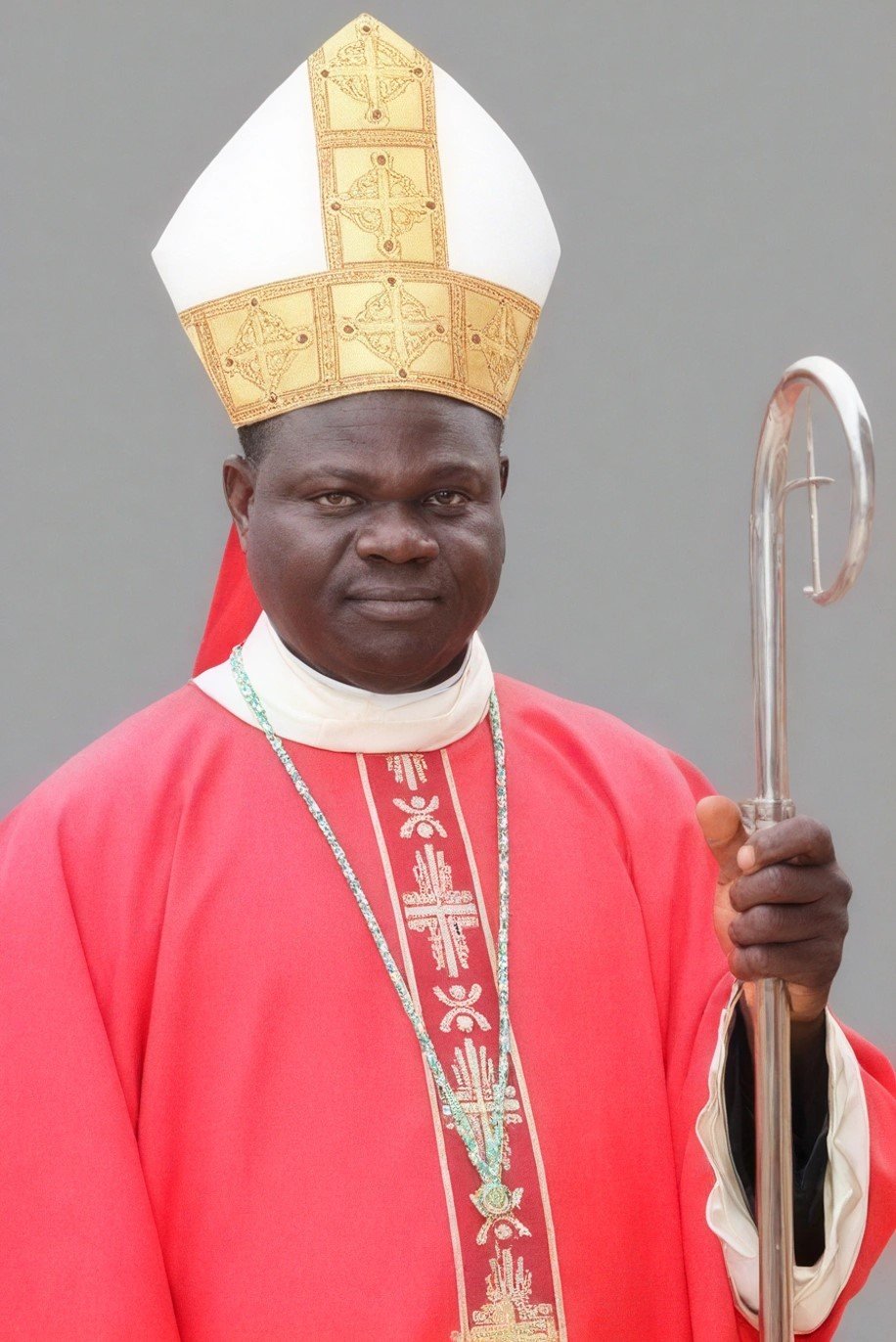
The Christian Association of Nigeria has explicitly used the genocide characterization. In November 2025, the Catholic Bishops of Nigeria issued a statement saying that “prolonged unbearable conditions have given credence to allegations of genocide in some quarters,” and Bishop Wilfred Anagbe of Makurdi has personally testified to genocide before the U.S. Congress.
In Congress, the issue has split sharply along partisan lines. Republicans on the relevant committees, including Chris Smith (R-NJ), Riley Moore (R-WV), Ted Cruz (R-TX), Josh Hawley (R-MO), Bill Huizenga (R-MI), Brian Mast (R-FL), and Mario Díaz-Balart (R-FL), have supported the genocide and persecution framing and backed action. The congressional investigation was entirely Republican-led under Rep. Chris Smith (R-NJ), while House Appropriations work was directed by Reps. Mario Díaz-Balart (R-FL) and Riley Moore (R-WV).
Democrats pushed back. During the November 2025 congressional hearing, Sara Jacobs (D-CA) warned that framing Nigeria’s security crisis primarily as a religious conflict could fuel further violence. Johnny Olszewski (D-MD) acknowledged that Christians were being massacred but argued the crisis should be viewed as a “capacity problem” rather than targeted religious persecution. Pramila Jayapal (D-WA) strongly rejected what she described as a one-sided narrative. The United Nations has not declared the violence a genocide and has taken no meaningful action.
The only world leader to take significant action on behalf of Nigerian Christians has been Donald Trump. The U.S. Commission on International Religious Freedom had recommended designating Nigeria a Country of Particular Concern since 2009, but Trump was the first president to act on that recommendation in December 2020. Secretary of State Antony Blinken removed the designation in November 2021 under President Biden, a decision USCIRF described as “unexplainable” and “appalling,” even as attacks worsened.
After returning to office, Trump redesignated Nigeria as a Country of Particular Concern in October 2025, directed Congress to investigate the persecution of Christians, and backed the designation with military force. On Christmas Day 2025, AFRICOM conducted airstrikes against ISIS targets in Sokoto State, and in February 2026, the United States deployed 200 troops to Bauchi State to support counterterrorism operations.
On May 16, 2026, a joint U.S.-Nigerian raid in Metele, Borno State, killed Abu-Bilal al-Minuki, ISIS’s global second-in-command, along with several senior ISIS leaders. AFRICOM conducted follow-on strikes on May 17 and 18. Al-Minuki was a Nigerian national, a former Boko Haram commander who pledged allegiance to ISIS in 2015, and was linked to the 2018 Dapchi schoolgirls kidnapping.
No other foreign government has conducted airstrikes, deployed troops, imposed equivalent designations, or launched formal investigations into the persecution of Nigerian Christians.
Kokshik said Nigerians welcomed the intervention and hoped other countries would also act. “Apart from Trump, if there are other countries or foreigners that will come and help us, they should come,” he said. “We are calling other foreign countries to come, not Trump alone. Because this issue has escalated. It’s like a genocide now.”
Rev. Father John Migap, speaking from Shendam in Plateau State, echoed the genocide accusation. “Whatever opinion people hold as regards Christians not being targeted, or Christians not being massacred, or there is no Christian genocide, they are entitled to their opinion,” Father Migap said. “We who are here are the ones facing the wrath and the cruelty being meted out against our people.”
He said those suffering the violence are best positioned to describe it. “We know what is happening to us. It is targeted at our Christian population. When we cry out genocide, we are the ones who are suffering. We know what we are passing through.”
Father Migap went on to say that government officials who deny the reality are presenting a narrative that does not match conditions on the ground. “Truth is something no rhetoric can hide,” he said. “Truth is something no human institution or organized group of persons can deny or debunk.”
Church leaders, Father Migap said, continue using sermons and prayer to encourage believers not to lose hope. “We call on our people to cry out to God, who is the divine giver of justice,” he said. “Whoever is behind these heinous crimes against humanity, God, in His own time, will do what is necessary.”
The question is not whether the violence is occurring. The data, survivor testimony, watchdog documentation, congressional record, and military operations ordered by the American president all confirm that it is. The question is why U.S. Democrats, foreign governments, the international media, and the United Nations refuse to recognize what many Nigerian Christians and their supporters regard as an obvious genocide.
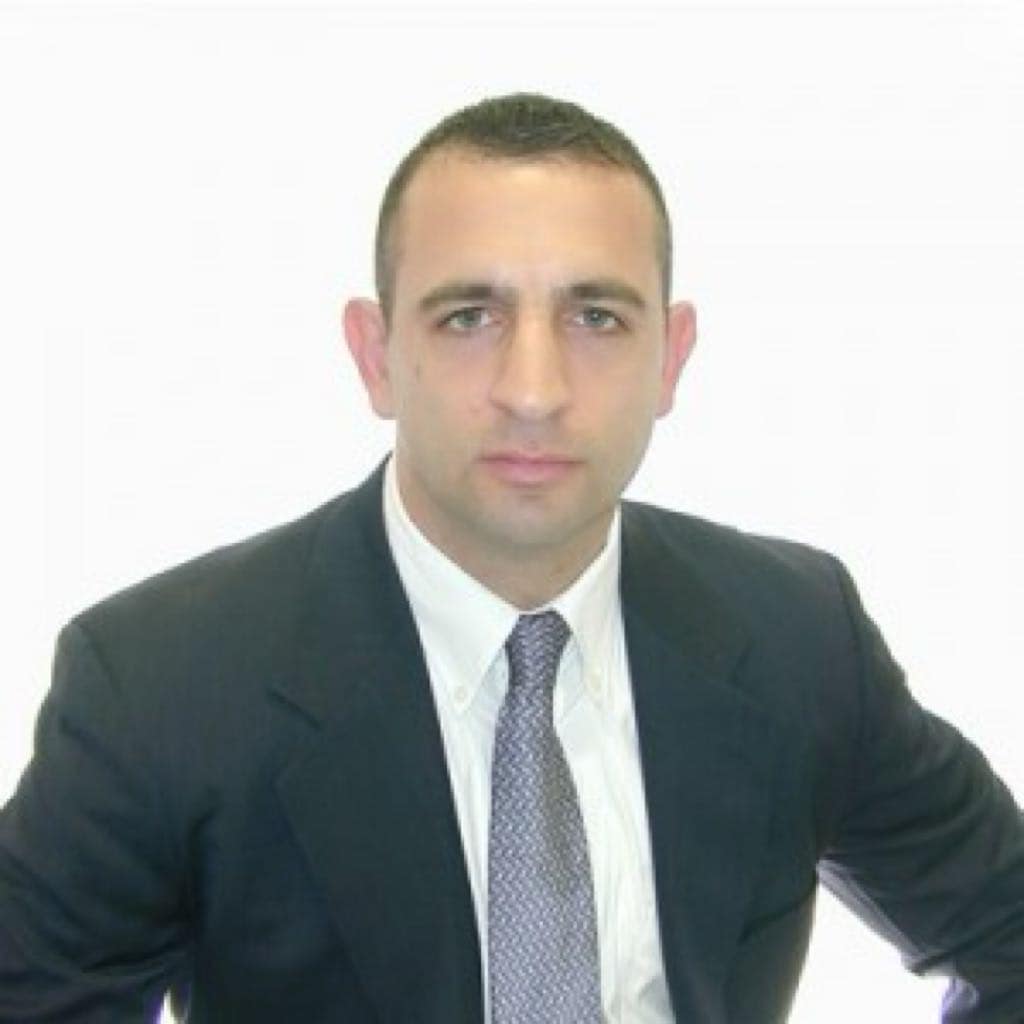
Antonio Graceffo is an American journalist with over twenty years of experience reporting on China and Southeast Asia. Recently, he has been based on the Thai-Burma border, covering the war in Myanmar. His work has appeared in “Al Jazeera,” “The South China Morning Post,” ‘The Diplomat,” “Jamestown Foundation China Brief,” “Mercator,” “Providence Magazine,” “Geopolitical Monitor,” “Taipei Times,” “Just the News,” and other international outlets. The author of several books, he also provides commentary on geopolitical and economic issues for NTD TV, Bloomberg Mongolia, and BBC Burma.