Silence on the Uyghur issue would make it easier for the Chinese to manipulate any statement the U.S. President makes.
by Kok Bayraq
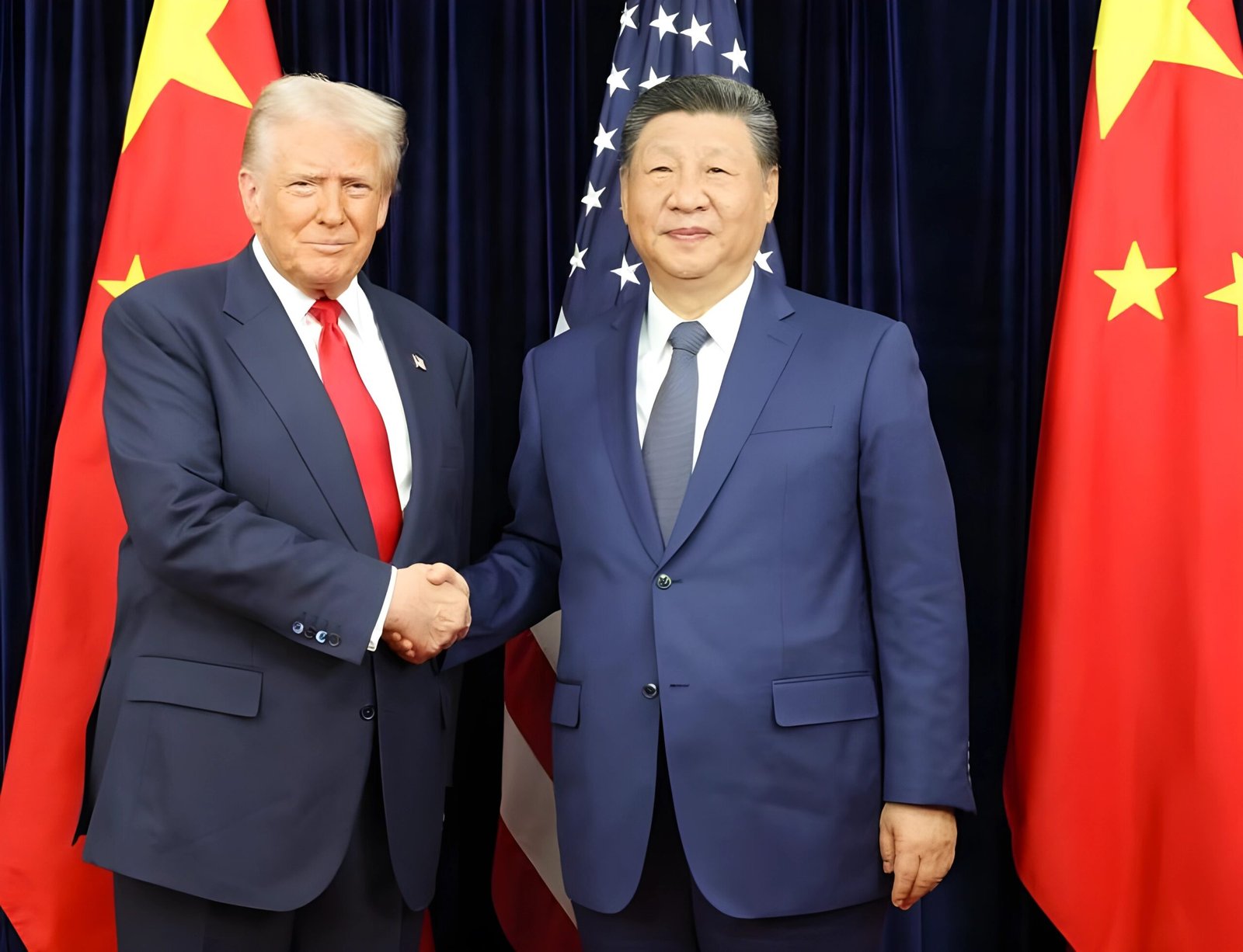
Mr. President,
As you prepare for your upcoming visit to China on May 14–15, I write with both hope and urgency regarding the situation of the Uyghur people.
Your past engagement with human rights issues in Venezuela and Iran demonstrated that such concerns can be addressed not only through words, but through concrete policy actions and principled leadership. It is precisely because of those actions that I am encouraged to appeal to you today on behalf of the Uyghur people.
The region China calls Xinjiang, and which many Uyghurs know as East Turkestan, remains the site of profound and ongoing human suffering. During your first administration, the United States became the first government to officially recognize the atrocities against Uyghurs as genocide. Since then, more than twenty governments and parliaments around the world have adopted similar positions, reflecting growing international awareness and concern.
At the same time, some governments continue to dismiss, minimize, or politicize the issue. This makes consistent American leadership more important than ever.
The Uyghur issue is not only humanitarian—it is also strategic. It shapes global perceptions of both the United States and China and remains an important test of credibility in international diplomacy. Addressing it does not weaken negotiations with China; rather, it strengthens the consistency, moral authority, and global standing of American foreign policy.
Uyghurs are widely regarded as one of the most pro-American Muslim communities in the world and could serve as a bridge of understanding between different societies. Continued repression, however, deepens instability, fuels despair, and prolongs immense suffering.
If discussions with China focus solely on trade and economic matters while remaining silent on human rights—including the Uyghur genocide—such silence risks encouraging further repression and deepening hopelessness among Uyghurs and other persecuted peoples.
Even briefly raising the Uyghur issue during meetings with Chinese leaders would send a powerful signal to the international community and offer hope to millions who feel forgotten.
Uyghurs deserve international attention no less than the people of Venezuela or Iran—and arguably even more urgently. Supporting Uyghur human rights does not contradict American interests; it aligns with them.
I also respectfully urge caution regarding the way Chinese state media and government institutions may later present official statements and diplomatic remarks. There have been multiple instances in which comments made by foreign leaders and international officials during visits to China were selectively interpreted, reframed, or distorted in ways that appeared to legitimize Beijing’s policies.
Because of your direct speaking style and informal approach, even routine diplomatic expressions could be taken out of context and used to suggest endorsement or acceptance of Chinese government actions. Such portrayals could discourage those around the world who look to the United States as a defender of freedom and human dignity.
The United States was the first country to officially declare the treatment of Uyghurs a genocide. Since then, numerous governments, parliaments, international legal experts, and human rights bodies have described the situation as constituting genocide or crimes against humanity.
For this reason, the clarity and moral leadership demonstrated during your administration must be preserved and not unintentionally undermined during this visit.
I sincerely hope your trip will contribute not only to progress in U.S.–China relations and the interests of the American people, but also to greater global awareness of the suffering endured by Uyghurs and other oppressed communities.
Respectfully,
Kok Bayraq

Uses a pseudonym for security reasons.