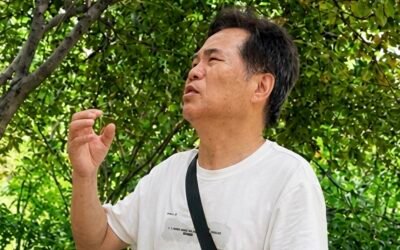
Residents of Shuikou Town protest for days as authorities deploy riot police and tighten control. It is another chapter in a “war” about burial practices in rural China.
by Zheng Liqin
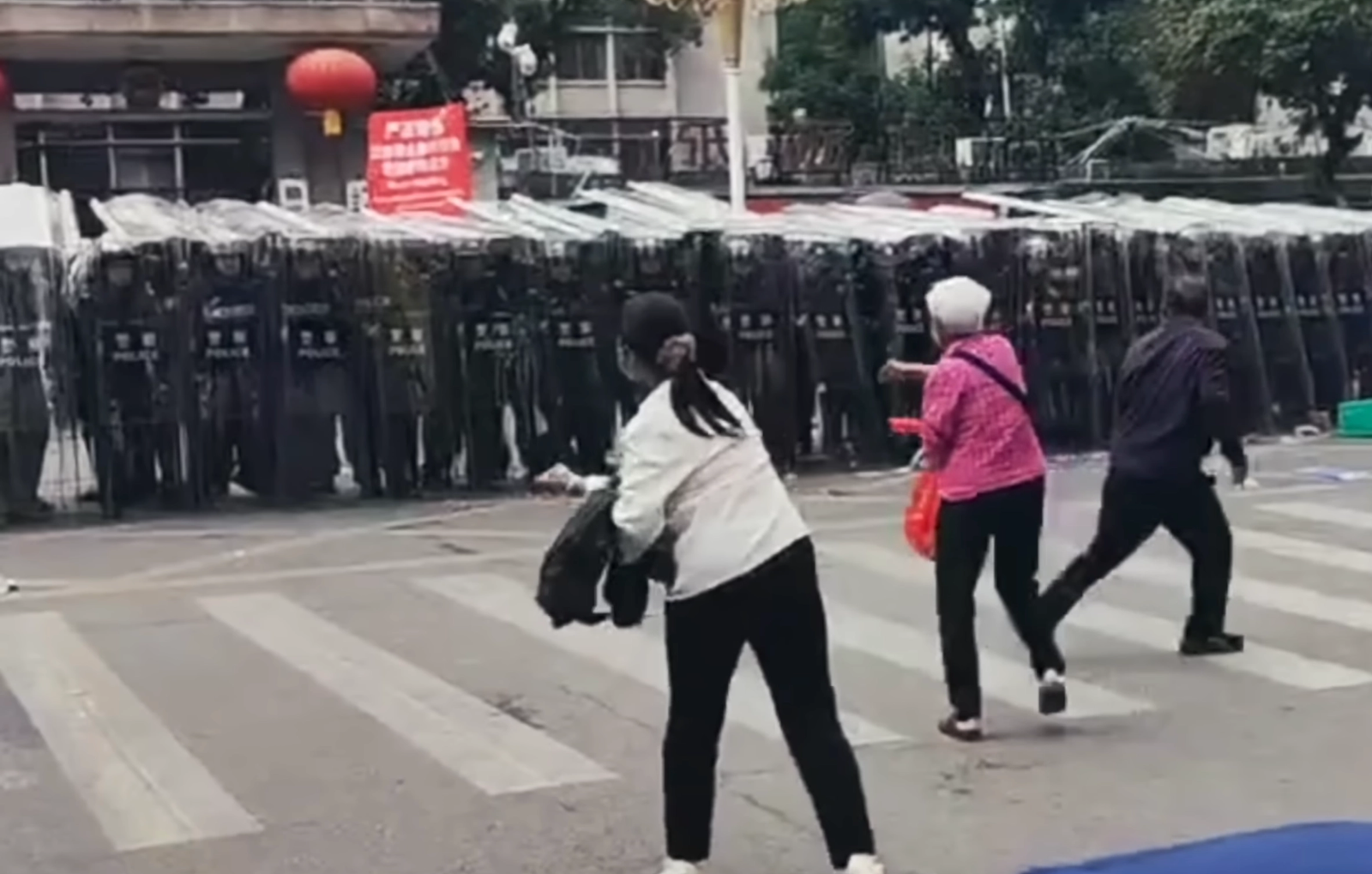
On March 17 to 19, 2026, hundreds of residents from Shuikou Town, Xinyi City, Guangdong Province, protested for three days after discovering that local officials planned to build a crematorium near their village. This project, part of China’s ongoing funeral reform campaign, sparked immediate anger in a community where traditional burial practices are central to their cultural identity. Villagers demanded that the plan be scrapped, claiming the facility would violate ancestral customs, harm the environment, and add financial burdens to families already grappling with rising funeral costs.
For rural Han communities, burial is more than a custom; it is a deeply rooted spiritual duty linked to honoring family and ensuring the continuity of family lines. The belief that the body must remain whole and be buried in ancestral soil is key to respecting the dead and maintaining harmony between the living and their ancestors. Cremation, especially when forced by the government, is viewed as a violation that disrupts this sacred bond.
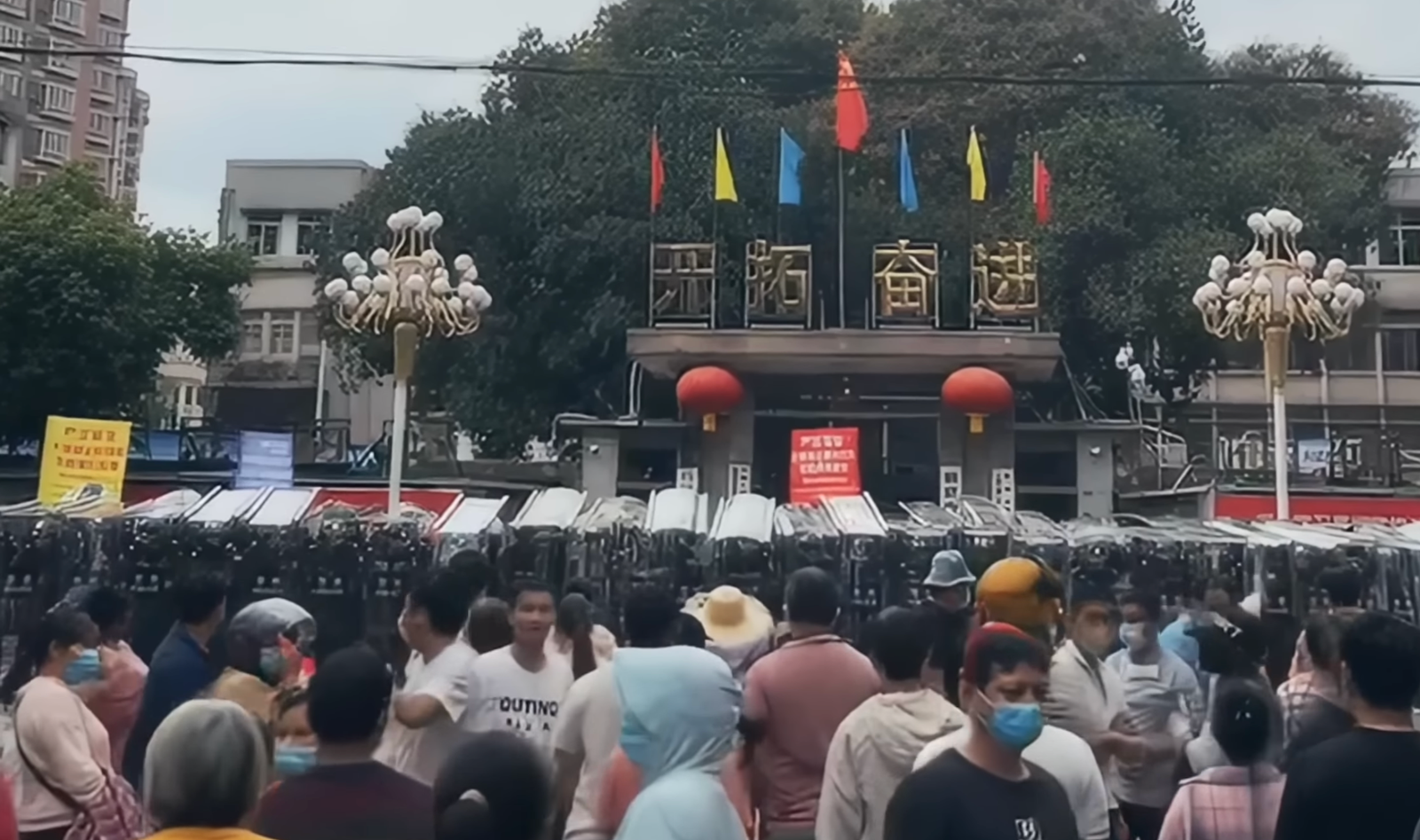
The government’s campaigns for cremation have been more or less accepted in large cities but are actively resisted in the countryside. By imposing cremation and placing crematoriums near villages without consent, authorities are seen as violating not only traditions but also the religious and moral foundations of rural life.
The protests quickly escalated. On two occasions, villagers clashed with police as officers tried to break up the demonstrations. Videos shared online before censorship showed residents throwing stones while police advanced with shields and batons. Witnesses reported several villagers were injured in these clashes, but the exact number is unclear. Despite the unrest, authorities continued preparations for construction, increasing local resentment.
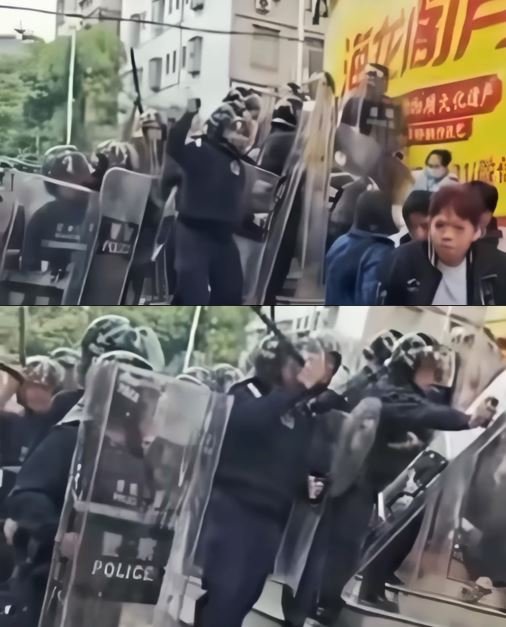
In the days that followed, the government responded with a heavy security presence. Special police units were sent to villages, and checkpoints were established at key intersections, including the road to the crematorium site. Vehicles were stopped and checked, and residents reported that Renmin Road, in front of the Xinyi Municipal Government building, remained blocked by police. Tensions grew in Shuikou as officers monitored streets and movements, creating an atmosphere of intimidation to prevent further demonstrations.
Yet on March 25, villagers gathered again to protest, unwilling to be silenced. Their renewed march faced another harsh crackdown, and the crematorium project now seems almost certain to proceed. Still, the determination of Shuikou’s residents has highlighted a larger struggle across rural China.
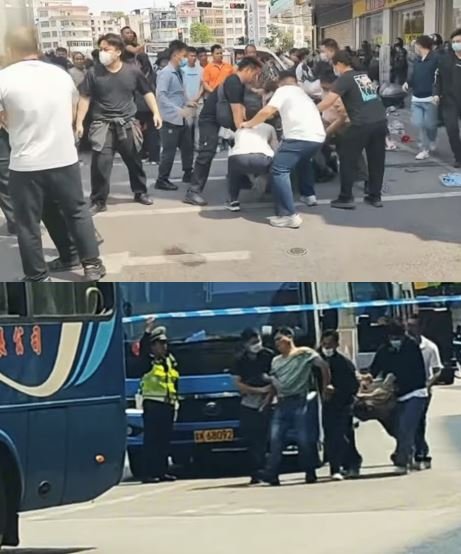
The events in Xinyi reflect earlier incidents, including the widely reported 2025 confrontation in Guizhou’s Mushan Village, where residents successfully resisted efforts to exhume and cremate a recently deceased villager. Earlier, as reported by the Taipei Times, “in 2016, some elderly residents in Anqing, a city in Anhui Province, reportedly killed themselves to ensure they were buried before a new cremation mandate. A 2018 campaign against burials in Jiangxi Province sparked an outcry, including from state media, after videos showed officials destroying coffins.”
Even if the villagers of Shuikou do not stop the crematorium, their resolve reveals a truth that China’s censors work hard to hide. Even under great pressure, ordinary citizens continue to defend their homes, customs, and dignity.

Uses a pseudonym for security reasons.