A reflection on the right to truth for the victims of egregious human rights violations and the ongoing human rights violations in the Tai Ji Men case.
by Willy Fautré*
*Introduction to the second session of the webinar “The Tai Ji Men Case: A Human Rights Crisis in Taiwan,” co-organized by CESNUR and Human Rights Without Frontiers on March 24, 2026, United Nations International Day for the Right to the Truth Concerning Gross Human Rights Violations and for the Dignity of the Victims.
Each year on March 24, the international community observes the UN International Day for the Right to the Truth Concerning Gross Human Rights Violations and for the Dignity of the Victims. At its core, this day is not only about remembrance—it is about resistance: resistance against silence, denial, and, perhaps most insidiously, the deliberate construction of biased narratives by those responsible for human rights abuses. These narratives are not accidental misinterpretations of history; they are often calculated tools designed to obscure reality, evade accountability, and undermine the dignity of victims.
Taiwan has not always been a democracy—far from it. For about four decades, it was a dictatorship, a period known as the “White Terror.” It took many years to overcome silence, denial, fabricated narratives, and lies about the darkest pages of its recent history.
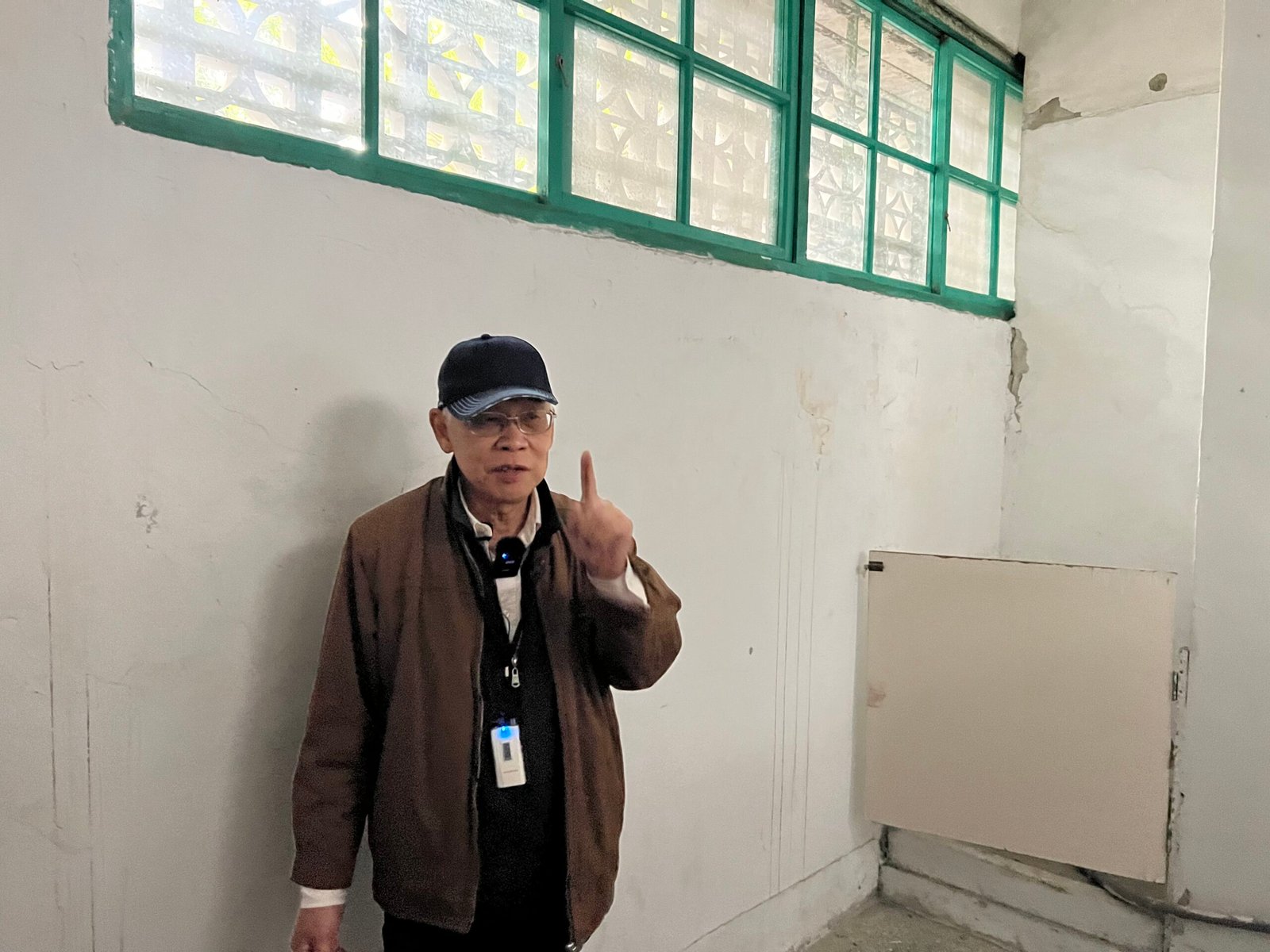
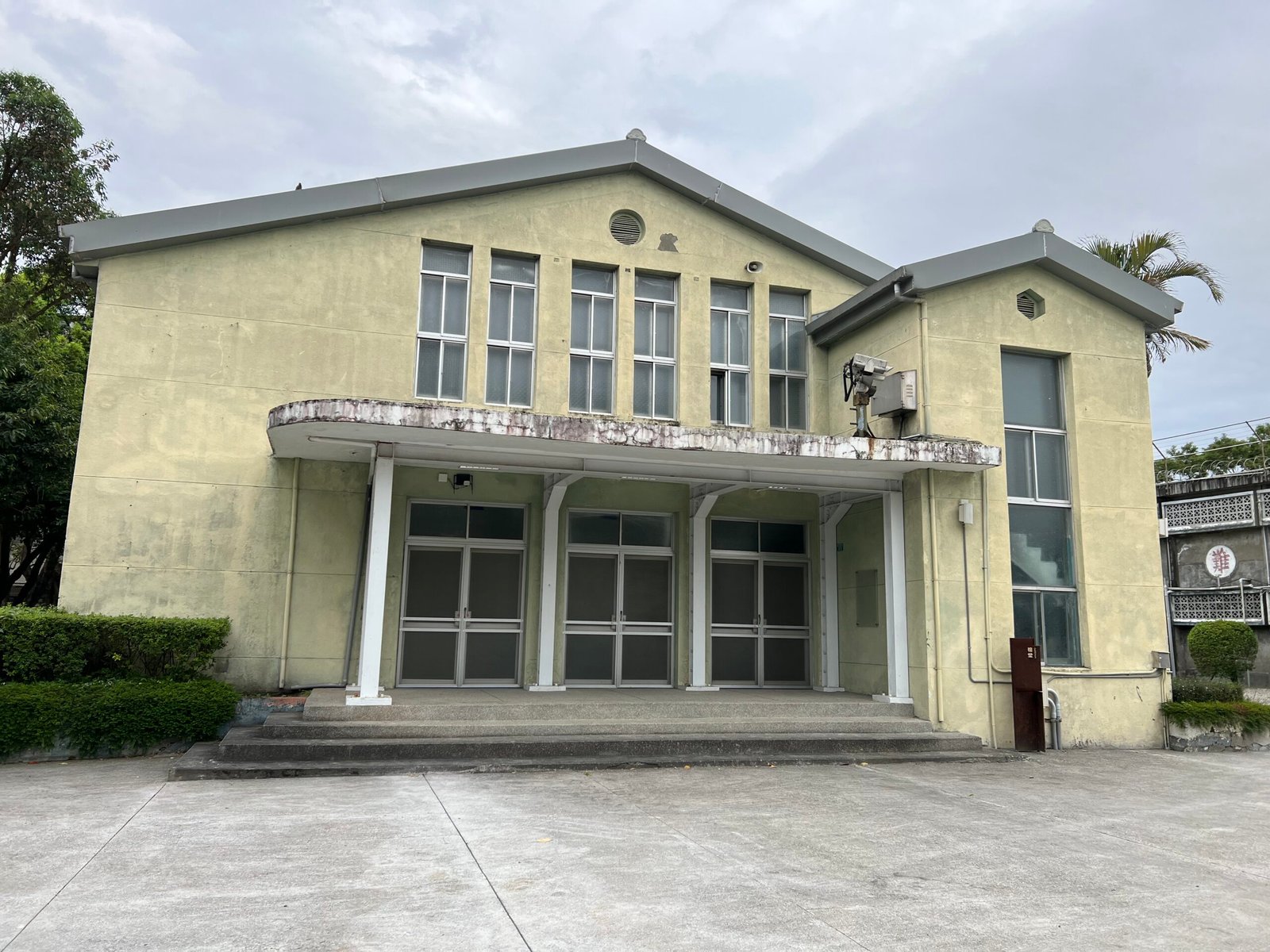
A few years ago, I visited the Jing-Mei White Terror Memorial Park in Taipei. It was originally a military law school before becoming a detention center and prison where thousands of political prisoners were held in cells, subjected to interrogation and torture. Today, the site is home to the National Human Rights Museum. It is a memorial preserving the reality of daily terror during nearly forty years of dictatorship: the denial of justice, the harsh detention conditions, and the arbitrary executions. Its purpose is to ensure that future generations do not forget and never again write such dark pages in their country’s history. In the yard of the former detention center, there is a wall of shame engraved with the names of thousands of political prisoners.
Records from the White Terror indicate that at least 140,000 people were imprisoned across Taiwan, with more than 3,000 executed. The Taiwanese state has processed over 10,000 compensation applications from victims or their families related to this period. In this case, the truth about gross human rights violations has been preserved and is now transmitted to future generations. The dignity of the victims has been honored through the official inauguration of the National Human Rights Museum and the recognition of their right to financial compensation.
The manipulation of truth is a recurring feature in the aftermath of gross human rights violations. Perpetrators—whether state actors, armed groups, or institutions—frequently attempt to reshape public understanding of events. They may minimize the scale of atrocities, reframe victims as aggressors, or justify abuses under the guise of national security, stability, or cultural necessity. In doing so, they create an alternative version of reality that competes with, and often overshadows, the lived experiences of victims.
This distortion has profound consequences. When false or biased narratives dominate public discourse, they erode the possibility of justice. Courts, truth commissions, and international bodies rely on evidence, testimony, and collective acknowledgment of facts. When these are systematically undermined, the path toward accountability becomes obstructed. Even more troubling is the psychological impact on victims. To suffer abuse is devastating; to then see one’s suffering denied or misrepresented compounds that harm, effectively silencing victims a second time.
One of the most powerful tools in countering these distortions is the preservation and dissemination of truth. Documentation efforts—by journalists, civil society organizations, historians, and survivors themselves—serve as a counterweight to denial. Testimonies, archives, forensic evidence, and independent investigations create a body of knowledge that resists manipulation. These records are not merely historical artifacts; they are instruments of justice and memory.
However, the struggle for truth is rarely straightforward. Power imbalances often determine which narratives gain traction. Governments and institutions responsible for violations may control media, influence education systems, and restrict access to information. In such contexts, biased narratives can become institutionalized, shaping public perception for generations. Challenging these narratives requires not only courage but sustained effort across multiple domains—legal, cultural, and political.
Education plays a crucial role in this process. Teaching accurate histories of human rights violations fosters critical thinking and empathy. It equips future generations to question official accounts and recognize the signs of manipulation. Importantly, education that centers victims’ voices helps restore their agency, ensuring that their stories are not overshadowed by the narratives of those who harmed them.
Ultimately, the right to the truth is inseparable from the pursuit of justice and the restoration of dignity. It is a right that belongs not only to victims and their families but to society as a whole. Understanding the reality of past abuses is essential for preventing their recurrence. When truth is obscured, the conditions that allowed violations to occur remain unchallenged.
The dignity of victims is deeply tied to recognition. Dignity is not an abstract concept—it is affirmed when individuals are seen, heard, and believed. Public acknowledgment of harm plays a critical role in restoring this dignity. It validates the victim’s experience and affirms their status not as collateral damage or political inconvenience, but as individuals whose rights were violated. When perpetrators impose biased narratives, they strip victims of this recognition, reducing them to footnotes or, worse, casting them as participants in their own suffering.
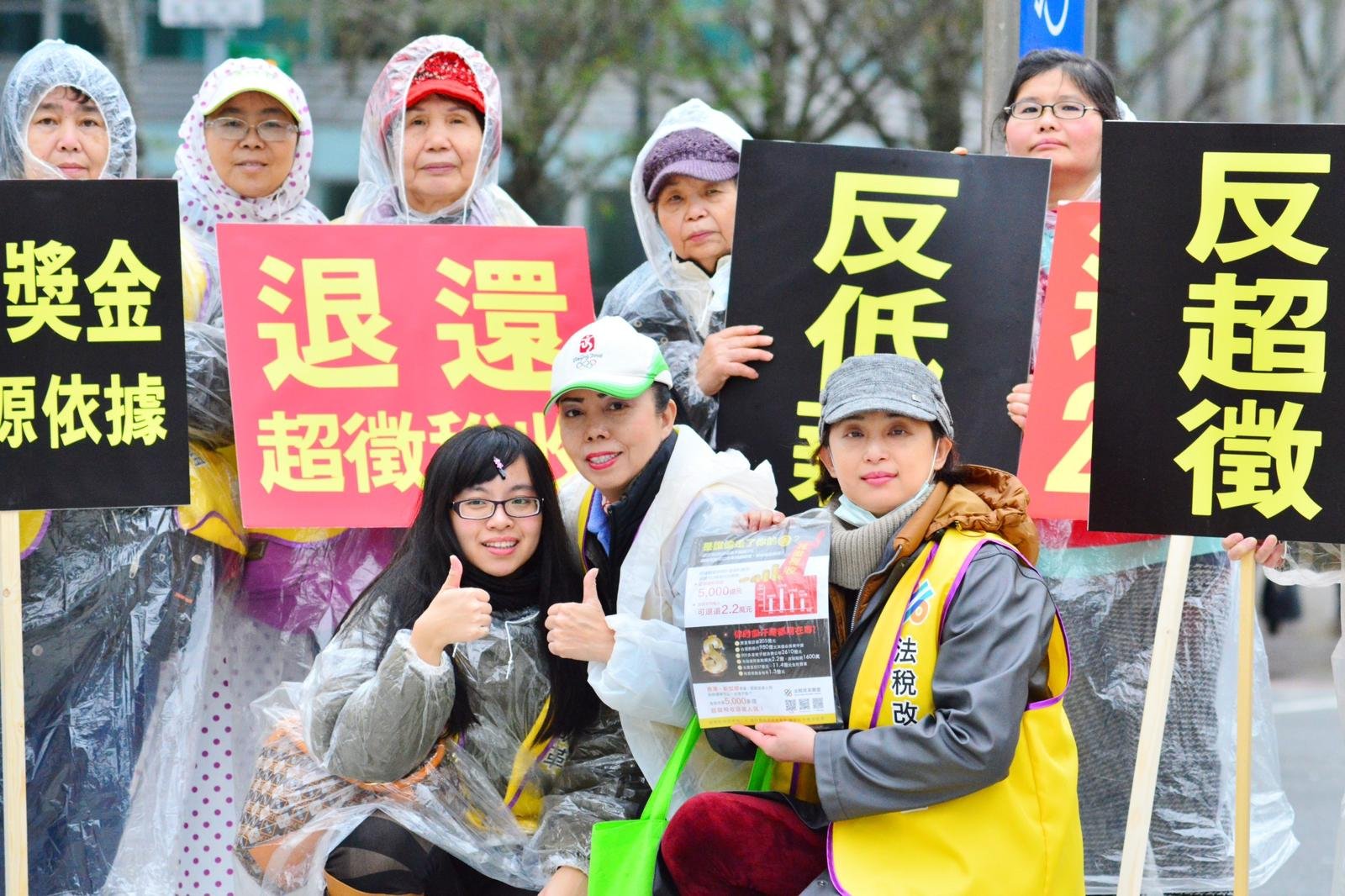
The Tai Ji Men case reflects all the elements I have discussed regarding the right to establish, preserve, transmit, and share the truth about human rights violations with future generations. Previous speakers have recalled in detail the ordeal they have endured for about thirty-five years.
For Tai Ji Men, and for the sake of the victims of the National Taxation Bureau, I have a bold proposal:
– Build a Wall of Shame in Taipei for the victims of the National Taxation Bureau as a public landmark.
– Build a Wall of Shame as a memorial in Taipei to honor all those who have been victims or who have fought for justice, and inscribe their names in marble forever.
– Build a Wall of Shame mirroring the National Human Rights Museum.
– Build a Wall of Shame as a new sacred place for Tai Ji Men’s mass commemoration events.

Willy Fautré, former chargé de mission at the Cabinet of the Belgian Ministry of Education and at the Belgian Parliament. He is the director of Human Rights Without Frontiers, an NGO based in Brussels that he founded in 1988. His organization defends human rights in general but also the rights of persons belonging to historical religions, non-traditional and new religious movements. It is apolitical and independent from any religion.
He has carried out fact-finding missions on human rights and religious freedom in more than 25 countries He is a lecturer in universities in the field of religious freedom and human rights. He has published many articles in university journals about relations between state and religions. He organizes conferences at the European Parliament, including on freedom of religion or belief in China. For years, he has developed religious freedom advocacy in European institutions, at the OSCE and at the UN.