Human rights violations do not end when a conflict formally concludes; they are often carried across generations through inherited stories, fears, and silences.
by Karolina Maria Kotkowska*
*A paper presented at the webinar “The Tai Ji Men Case: A Human Rights Crisis in Taiwan,” co-organized by CESNUR and Human Rights Without Frontiers on March 24, 2026, United Nations International Day for the Right to the Truth Concerning Gross Human Rights Violations and for the Dignity of the Victims.
March 24 marks the United Nations International Day for the Right to the Truth Concerning Gross Human Rights Violations and for the Dignity of Victims. It reminds us that truth is not merely a historical or academic notion, but a living element of social reality—a foundation of justice and a condition for restoring dignity to those who have suffered. It is also a day that calls on us not only to remember, but to take responsibility.
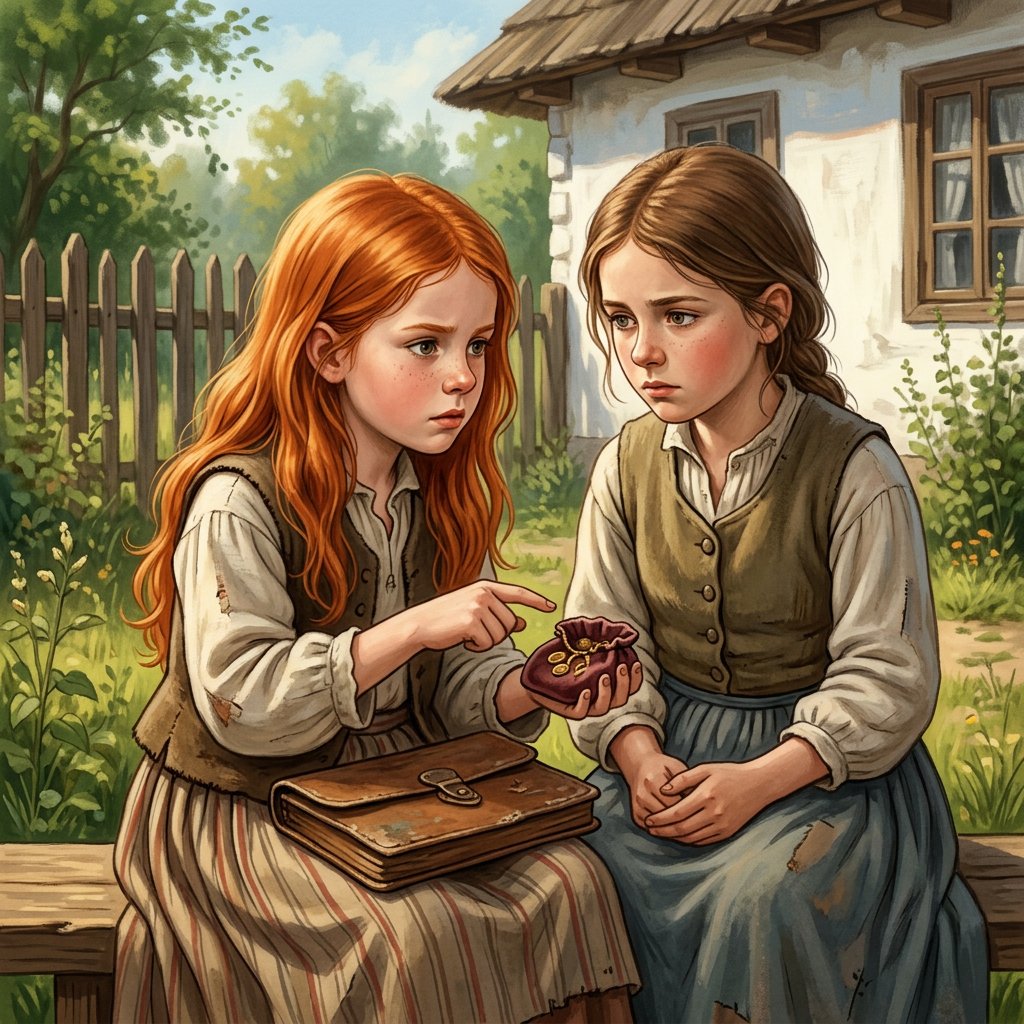
I want to begin with a personal reflection on memory. When I was in high school, a friend once asked whether I kept a special folder at home with the most important documents—something I would know to take with me if I ever had to flee. What a question. Of course I did. I had a case for documents and a small pouch with a few pieces of gold jewelry. As a child, I had often been told that in the event of a fire, a sudden evacuation, or war, these were the items I should take.
It was she who made me realize that this was neither obvious nor normal—that not everyone grows up with such instructions in the background. I was surprised. I asked others, and it turned out that many of my peers in southern Poland had never been raised with the idea that they might one day need to flee. For them, it was not part of everyday life.
And yet both of us had internalized it—she, with Jewish roots, and I, as the granddaughter of a woman who survived the Second World War as a child in occupied Warsaw. In our homes, the past lived not only in stories, but in emotions, in unspoken tensions, in ways of thinking about safety and threat. Memories of horrific events felt vivid, almost our own. Stories of violence, fear, and loss could be recalled as familiar images.
With time, I understood that this was more than family storytelling. It was part of a broader, well-documented phenomenon: the intergenerational transmission of experience—not only of historical facts, but of emotions, perceptions, and reflexes. Being prepared to flee, living with a sense of impending crisis—what we had taken as normal—later revealed itself as a trace of experiences that were not ours, yet shaped our worldview, our sense of security, and our fears.
This leads to a broader reflection. Traumas and human rights violations reach far beyond what might appear. They do not end when violence stops or when a conflict is declared over. In a sense, they outlive the victims, persisting across generations. Stories and fears are inherited, sometimes explicitly, sometimes almost imperceptibly.
This is why truth is essential. It is an inalienable right of those who endured violations. It allows us to name what happened, to restore dignity, and to create space for accountability. Without truth, the past remains unresolved, and the mechanisms that produced violations may reappear.
Sadly, these mechanisms are often simple. Exclusion, stigmatization, the construction of a group as alien, dangerous, or “other”—these processes recur across historical and cultural contexts. The “Rome model,” proposed by Professor Introvigne, suggests that human rights violations follow a predictable pattern. They begin with language, with labels, with the creation of distance, and the consequences are tragically foreseeable.
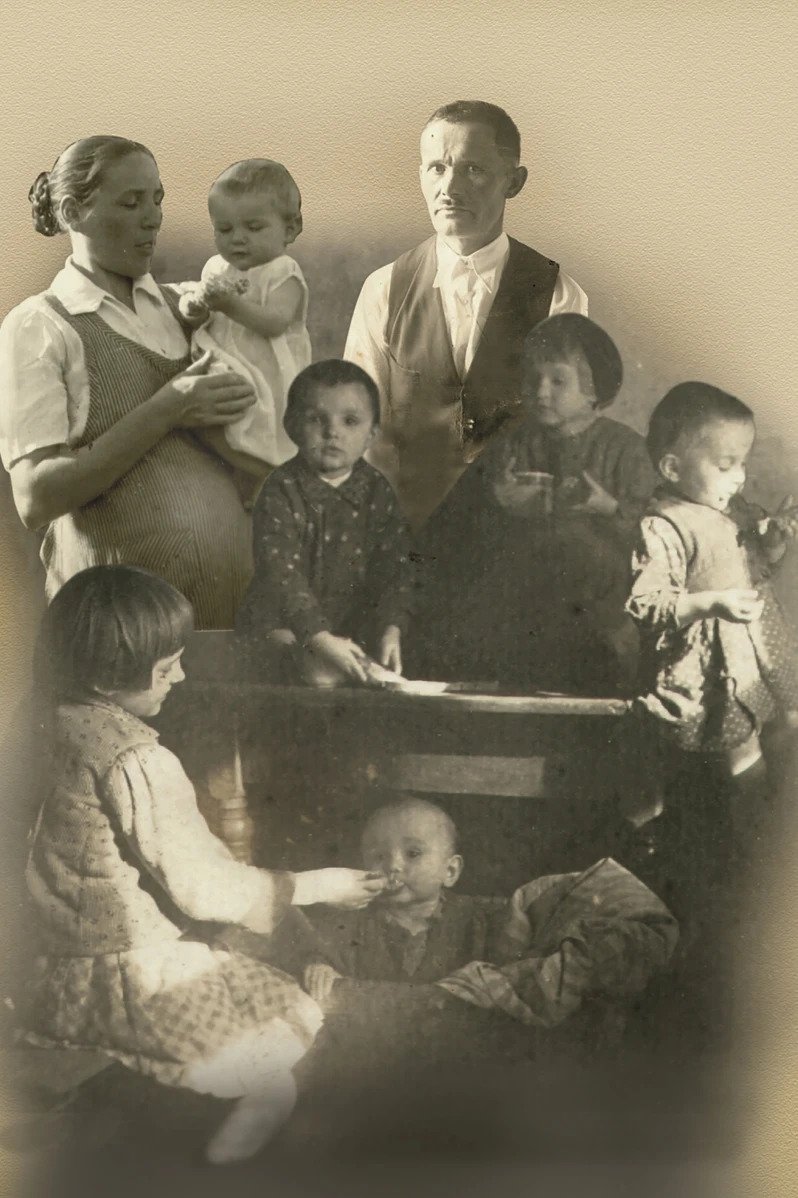
In my country, March 24 is also the National Day of Remembrance of Poles who rescued Jews under German occupation. The date marks the 1944 execution of the Ulma family by the German gendarmerie: Józef Ulma, his pregnant wife Wiktoria, their six children, and the eight Jews they were sheltering—Gołda Grünfeld, Lea Didner and her young daughter, and Saul Goldman with his four sons. This story remains one of the most poignant testimonies of courage, but also of the brutality of a system that punished even the smallest acts of solidarity. In 1995, the Ulma family was posthumously recognized as Righteous Among the Nations. This symbolic act restores memory, but it cannot undo the tragedy; if anything, it underscores the crucial importance of acknowledging the truth early.
Human rights violations never belong solely to the past. They are not a closed chapter to be shelved. Not all violations take the form of atrocities or armed conflict. Some are embedded in administrative decisions, in the misuse of legal systems, or in the stigmatization of entire social or religious groups. They may involve the long-term erosion of dignity, the undermining of reputation, or the construction of narratives portraying victims as “other,” “dangerous,” or “untrustworthy.” When state institutions reinforce such narratives, their consequences can be profoundly destructive.
This is why it is essential not only to remember the past but also to recognize similar mechanisms in the present. The right to the truth concerns not only events from decades ago; it also applies to situations unfolding now, often less visible, yet no less real.
One such case is that of Tai Ji Men in Taiwan. This story, ongoing for more than a quarter of a century, shows how easily a legal system can be used against citizens, and how long and difficult the path toward justice can be. To this day, justice has not been fully achieved.
One of the most disturbing moments occurred in 1996, when a widespread media campaign portrayed the movement as a “dangerous cult,” creating an atmosphere of fear and prejudice. This was accompanied by actions from law enforcement: police raids, searches, and asset seizures conducted in the presence of the media, amplifying public stigmatization. During these events, Dr. Hong, his wife, and two dizi were detained—an experience deeply traumatic for them and destabilizing for the community.
Another symbolic moment came in 2020, when land belonging to Tai Ji Men was nationalized—a place of profound spiritual and cultural significance. It had been prepared over the years as a space for practice, reflection, and community. Its loss was felt not only in legal terms but also on a personal and identity level.
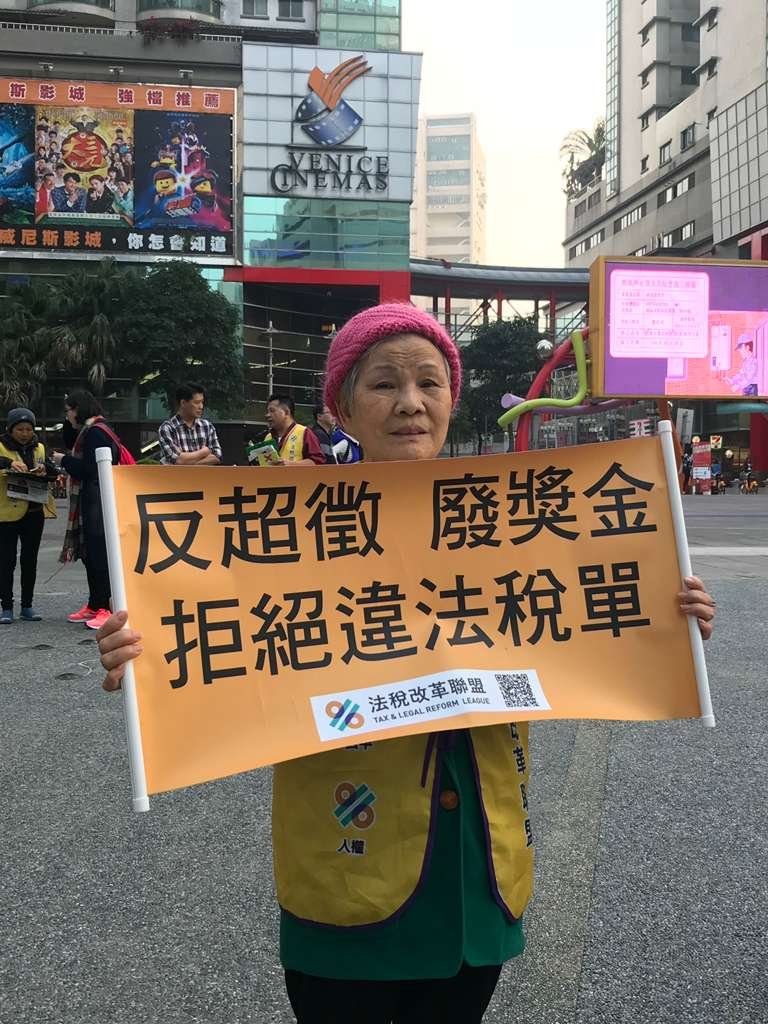
The Tai Ji Men case illustrates a broader problem: how institutions can perpetuate injustice even in the face of evidence, court rulings, or international criticism. It also highlights the importance of international solidarity and the need to reaffirm that human rights are universal, regardless of geography, culture, or political system.
Today’s meeting is therefore an opportunity to reflect on how we, as societies and as an international community, respond to contemporary human rights violations. It requires attentiveness, the ability to recognize such violations, and the willingness to name them clearly.

Karolina Maria Kotkowska is an Assistant Professor in the Centre for Comparative Studies of Civilizations, Jagiellonian University, Kraków, Poland. She holds PhD in Philosophy and works on her PhD in Sociology. She specializes in New Religious Movements and Western Esotericism in Central and Eastern Europe.