The Arab Emirate is the first country to admit it is ashamed of having signed the infamous letter supporting China’s persecution of Uyghurs.
by Massimo Introvigne

Qatar’s ruler, Emir Tamim bin Hamad Al Thani, with U.S. President Donald Trump. Credits
On August 20, Bloomberg and other sources announced that Qatar had officially withdrawn its signature from the July 12 letter of 37 countries supporting China’s detention of three million Uyghurs plus hundreds of thousands of ethnic Kazakhs and other Muslims in the dreaded transformation through education camps in Xinjiang.
Bloomberg incorrectly listed 22 countries as signatories of an opposite letter denouncing the camps, while in fact they became 23 with the signature of Italy.
The Axis of Shame countries are now reduced from 37 to 36. They are: Russia (which promoted the letter), Algeria, Angola, Bahrain, Belarus, Bolivia, Burkina Faso, Burundi, Cambodia, Cameroon, Comoros, Congo, Cuba, Democratic Republic of Congo, Egypt, Eritrea, Gabon, Kuwait, Laos, Myanmar, Nigeria, North Korea, Oman, Pakistan, Philippines, Saudi Arabia, Somalia, South Sudan, Sudan, Syria, Tajikistan, Togo, Turkmenistan, United Arab Emirates, Venezuela, and Zimbabwe.
While some media speculated that Qatar withdrew because it needs U.S. support in its regional conflict with Saudi Arabia, Bitter Winter correspondents in the area report that widespread dissatisfaction among the local civil society and intellectuals about the lack of support by Qatar for fellow Sunni Muslims persecuted in China persuaded the government to withdraw from the Axis of Shame.
Earlier this year, Qatar had stopped at the last minute the deportation of Uyghur human rights advocate Ablikim Yusuf back to China, allowing him to take a flight to the U.S, instead.
On the other hand, Axis of Shame countries continue to cooperate with Chinese security in arresting and deporting to China Uyghur refugees. Details of a vast operation carried out secretly in 2017 in Egypt by Egyptian and Chinese state security agents surfaced recently.
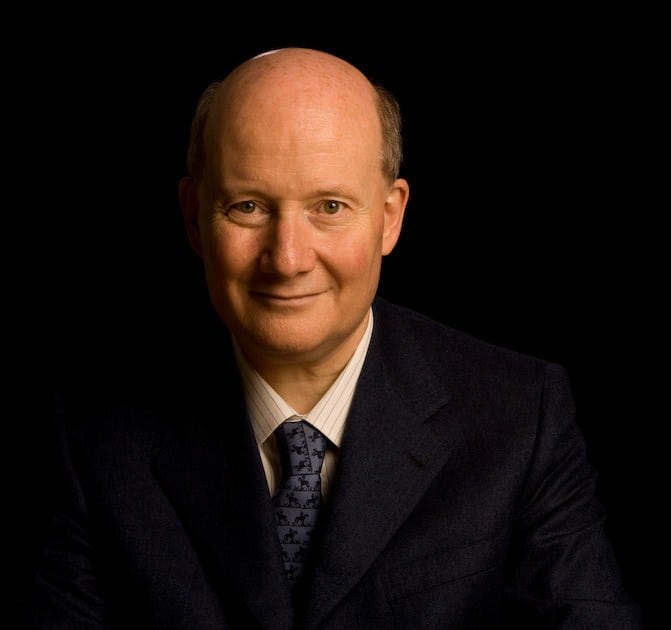
Massimo Introvigne (born June 14, 1955 in Rome) is an Italian sociologist of religions. He is the founder and managing director of the Center for Studies on New Religions (CESNUR), an international network of scholars who study new religious movements. Introvigne is the author of some 70 books and more than 100 articles in the field of sociology of religion. He was the main author of the Enciclopedia delle religioni in Italia (Encyclopedia of Religions in Italy). He is a member of the editorial board for the Interdisciplinary Journal of Research on Religion and of the executive board of University of Pennsylvania Press’ Nova Religio. From January 5 to December 31, 2011, he has served as the “Representative on combating racism, xenophobia and discrimination, with a special focus on discrimination against Christians and members of other religions” of the Organization for Security and Co-operation in Europe (OSCE). From 2012 to 2015 he served as chairperson of the Observatory of Religious Liberty, instituted by the Italian Ministry of Foreign Affairs in order to monitor problems of religious liberty on a worldwide scale.