Protests continue after the company’s decision to open a Hampton where the Uyghur Duling Mosque once stood.
by Massimo Introvigne

The CCP not only destroys the bodies and souls of believers in all religions. It eradicated the visual symbols of religion by destroying places of worship—by the thousands, as Bitter Winter continues to document.
What can democratic countries do? Reporting and protesting what is happening is certainly needed. However, we should also ask what those in the free world should not do. They should not cooperate with the CCP in the evil destruction of religious symbols, directly or indirectly.
This is why the Council on American-Islamic Relations (CAIR), the largest Muslim human rights advocacy organization in the United States, and several others have asked Hilton Hotels to withdraw its participation in the business operation aimed at building a shopping center in Hotan, Xinjiang, at the site where the Duling Mosque was demolished. A mosque site remains a sacred site for Muslims even after demolition.

The mosque land was purchased at public auction by a local developer, who in turn signed a contract to develop there a Hampton Hotel, one of the brands owned by Hilton.
Western businesses have legitimate interests in China. However, the Hampton Hotel being built in Hotan will not be just one of many hotels Western companies keep open in China. It will be a desecration of what Muslims regard as sacred land, and an active cooperation in the CCP’s anti-religious policy.
Bitter Winter joins its voice to the others that have asked Hilton to immediately stop its participation in the project, and cancel the plans for a Hampton Hotel on the side of Duling Mosque in Hotan.
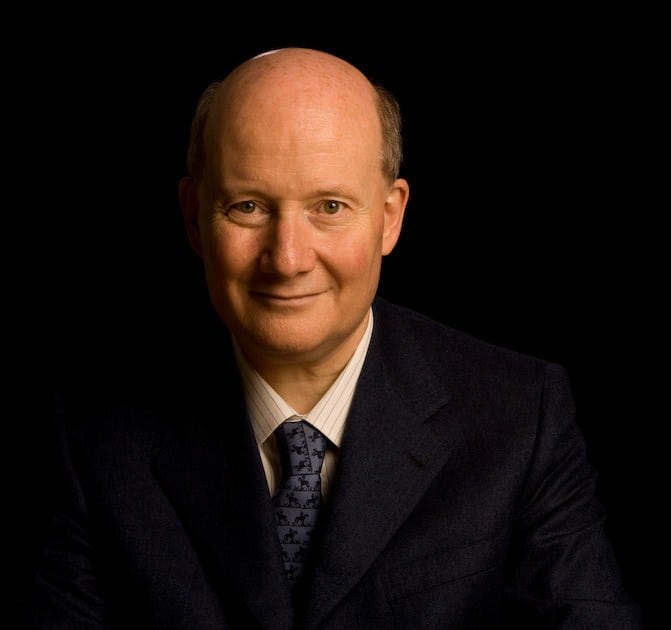
Massimo Introvigne (born June 14, 1955 in Rome) is an Italian sociologist of religions. He is the founder and managing director of the Center for Studies on New Religions (CESNUR), an international network of scholars who study new religious movements. Introvigne is the author of some 70 books and more than 100 articles in the field of sociology of religion. He was the main author of the Enciclopedia delle religioni in Italia (Encyclopedia of Religions in Italy). He is a member of the editorial board for the Interdisciplinary Journal of Research on Religion and of the executive board of University of California Press’ Nova Religio. From January 5 to December 31, 2011, he has served as the “Representative on combating racism, xenophobia and discrimination, with a special focus on discrimination against Christians and members of other religions” of the Organization for Security and Co-operation in Europe (OSCE). From 2012 to 2015 he served as chairperson of the Observatory of Religious Liberty, instituted by the Italian Ministry of Foreign Affairs in order to monitor problems of religious liberty on a worldwide scale.