The founder of The Revelation Spiritual Home received the prestigious award. His disciples amazed the Italian audience with their performances.
by Massimo Introvigne
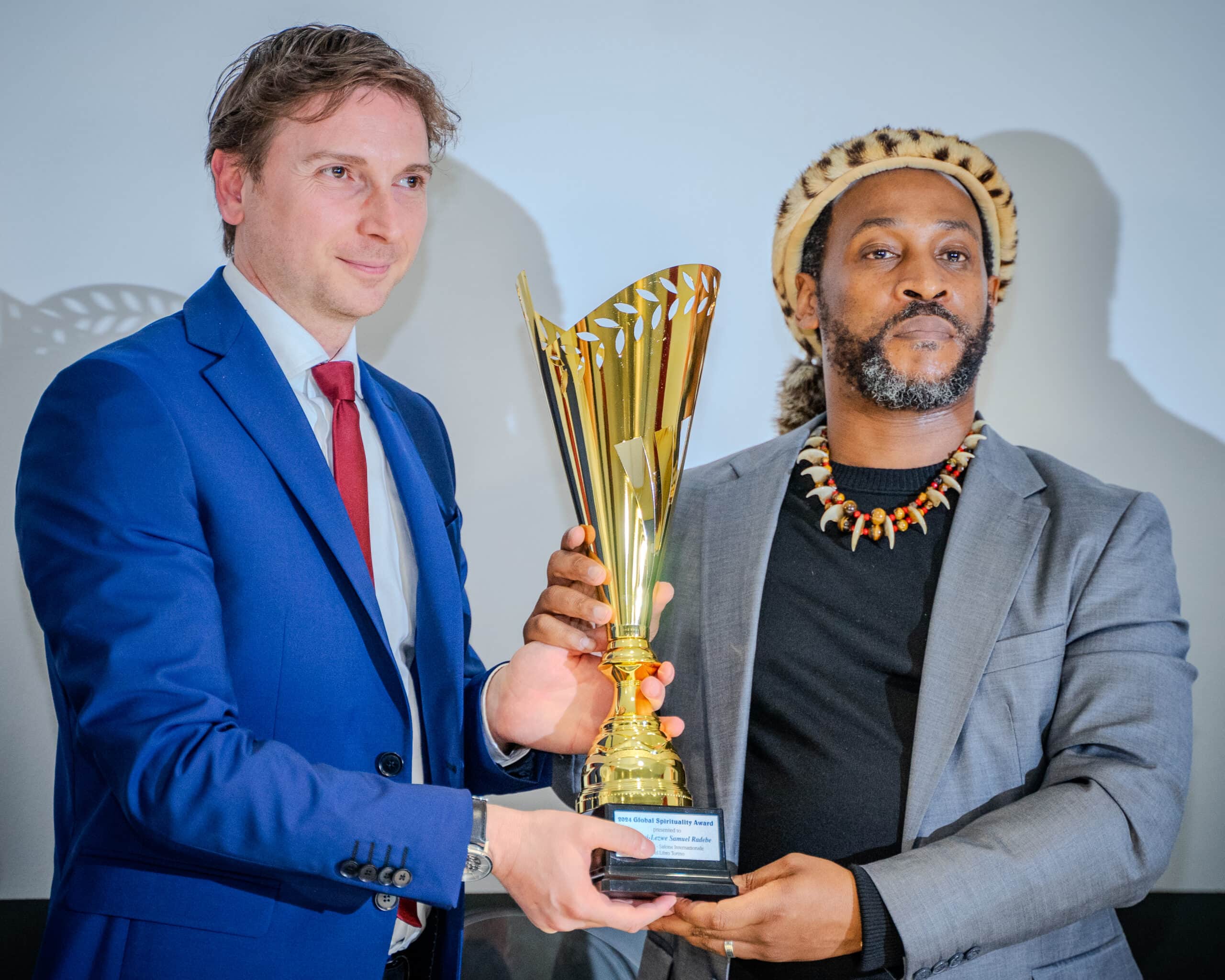
A peaceful invasion of the music and colors of Africa stunned the city of Turin, Italy, which when the time comes for its yearly International Book Fair (Salone Internazionale del Libro) rarely marvels at unusual sights. Turin’s Book Fair is the second largest in Europe and the 2024 edition set a record with more than 222,000 visitors.
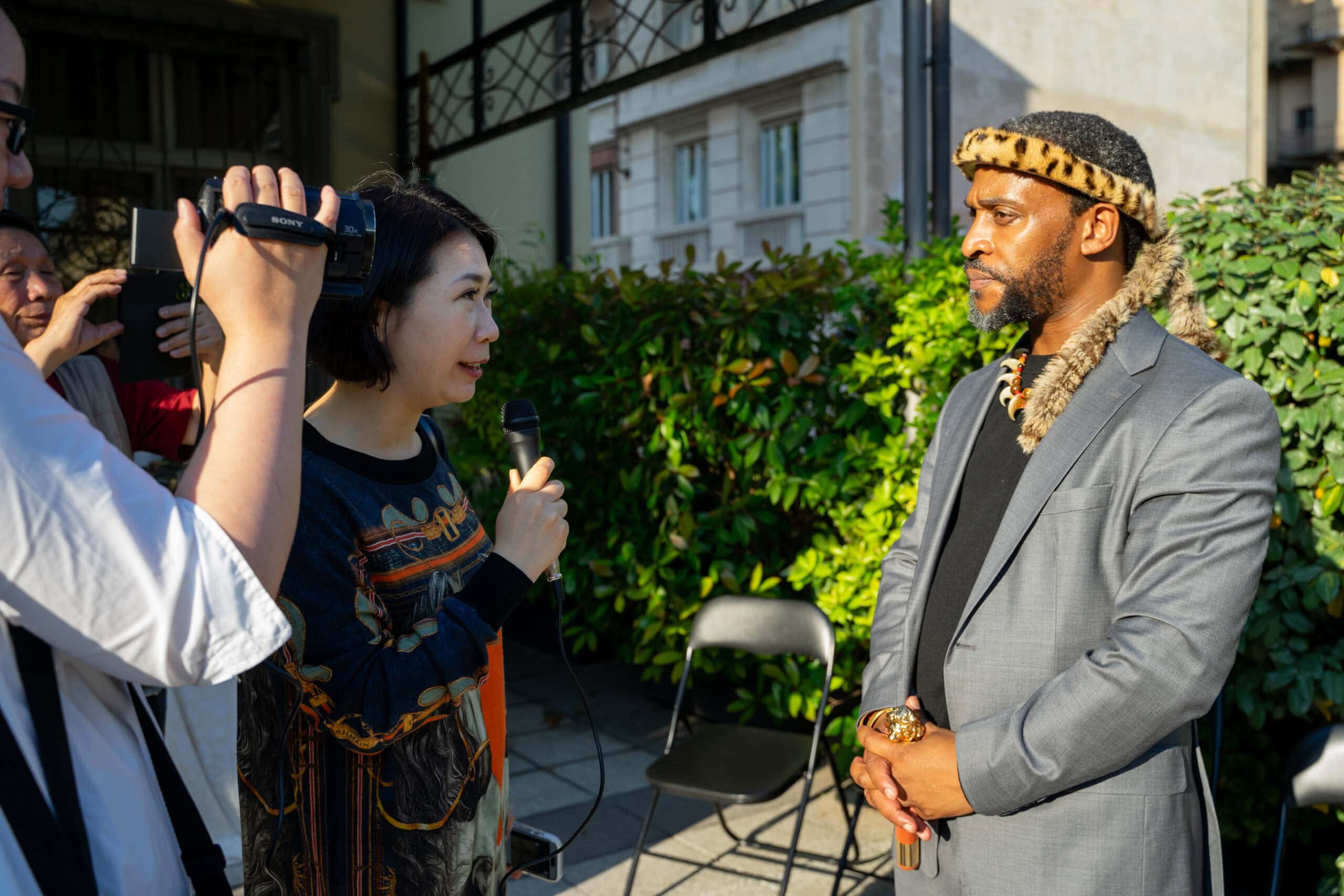
Yet, the presence on May 11 of the founder and leader of the South African The Revelation Spiritual Home, IMboni Dr. Samuel Radebe, and his delegation was something really new even for the Book Fair. It was also new for what citizens of Turin call the “Off Fair.” This is the multitude of events that cannot take place inside the book exhibition area (where legal and insurance reasons prevents, for example, singing and dancing) but are organized elsewhere by groups that also participate in the Book Fair’s official program.
The latter, the International Book Fair’s own program, included the presentation of two spirituality-related awards (a tradition that was started in 2019), the Global Spirituality Award and the Global Peace Award. A jury including religious and scholarly personalities under the aegis of the interreligious committee Fedinsieme (Faith Together) selected the awardees. The Global Peace Award, intended for a spiritual leader who promoted peace education throughout the world, went to Dr. Hong Tao-Tze, the Shifu (Grand Master) of the Taiwan-based Qigong, martial arts, and self-cultivation group Tai Ji Men. The Global Spirituality Award went to Dr. Radebe. Both awards were presented by Attorney Francesco Curto, President of Fedinsieme.
The Global Spiritual Award was designed as a stylized flame, a symbol of the sacred and immortality in many traditions, including in Africa. European literary reconstructions of African myths made popular the story of a flame that burning forever granted immortality to rulers of mysterious and hidden African kingdoms.
As I explained in my “laudatio” (the Latin word for “praise,” the speech usually pronounced when awards are presented), Dr. Radebe is known to his followers as IMboni uZwi-Lezwe Radebe, and commonly referred to as “IMboni,” a word used in several different African languages to indicate a high-level spiritual guide. The jury selected him for the award because of his unique and successful work in reviving and promoting African Indigenous Spirituality, i.e., the pre-Christian and pre-Islamic spirituality of the African people, which is also a treasure for humanity as a whole.
From humble beginnings, The Revelation Spiritual Home became a pan-African movement with more than seventy branches throughout the continent, and a presence also in Ireland and the United States. I also mentioned that IMboni empowers his followers by involving them in a number of economic activities, with the ultimate aim of teaching them how to start their own small businesses and become economically independent.

In his acceptance speech, Dr. Radebe said that the award honors something that African themselves forgot for centuries and even despised, the importance of their own spirituality and its teachers. He accepted the award as one also honoring his predecessors in the revival of a genuine African spirituality.
“I accept and deeply appreciate this award of recognition,” he said, “in the names of my spiritual predecessors, the likes of Nongqawuse, who was ridiculed, nullified, and treated with contempt by her people for her spiritual gift, which she had no control over; Simon Kimbangu, who was nullified, incarcerated, and humiliated for advocating for the spirituality of the African people; Ntsikana, who stood boldly against adversity to deliver the spiritual messages from the spirit realms to the people, messages that were in many instances met with malice and vehement reactions from his people; the great Vusamazulu Credo Mutwa, whose message of spiritual renaissance was defined as crazy talk and a misdemeanor that sought to threaten the envisaged rainbow nation. All these spiritual heroes and heroines have strived till death to better the spiritual condition of the African people and today through this award I honor and remember them.”
IMboni concluded by hailing the historical meaning of the award: “Fedinsieme! You will never fully comprehend what this means from a spiritual standpoint; you have done what Africa has failed to do; you have given dignity and recognition to a very critical sector in the entire world, and for that, I will forever be grateful.”
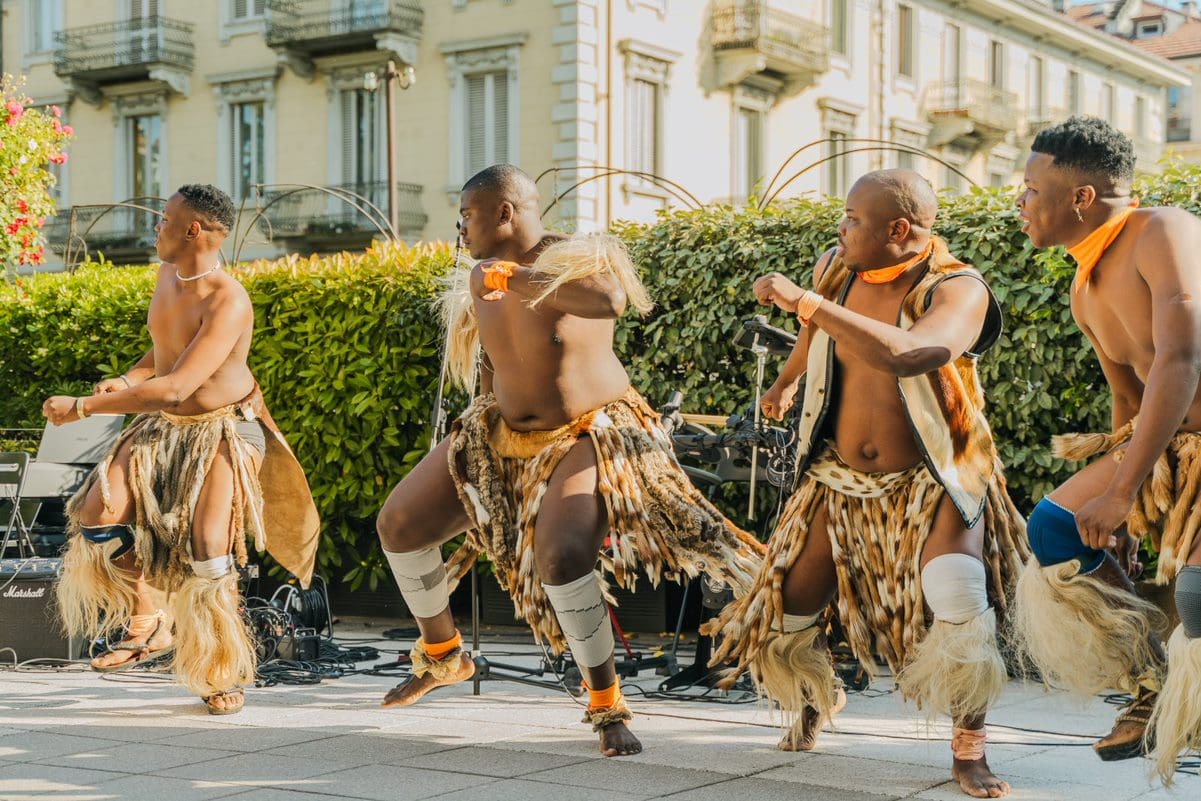
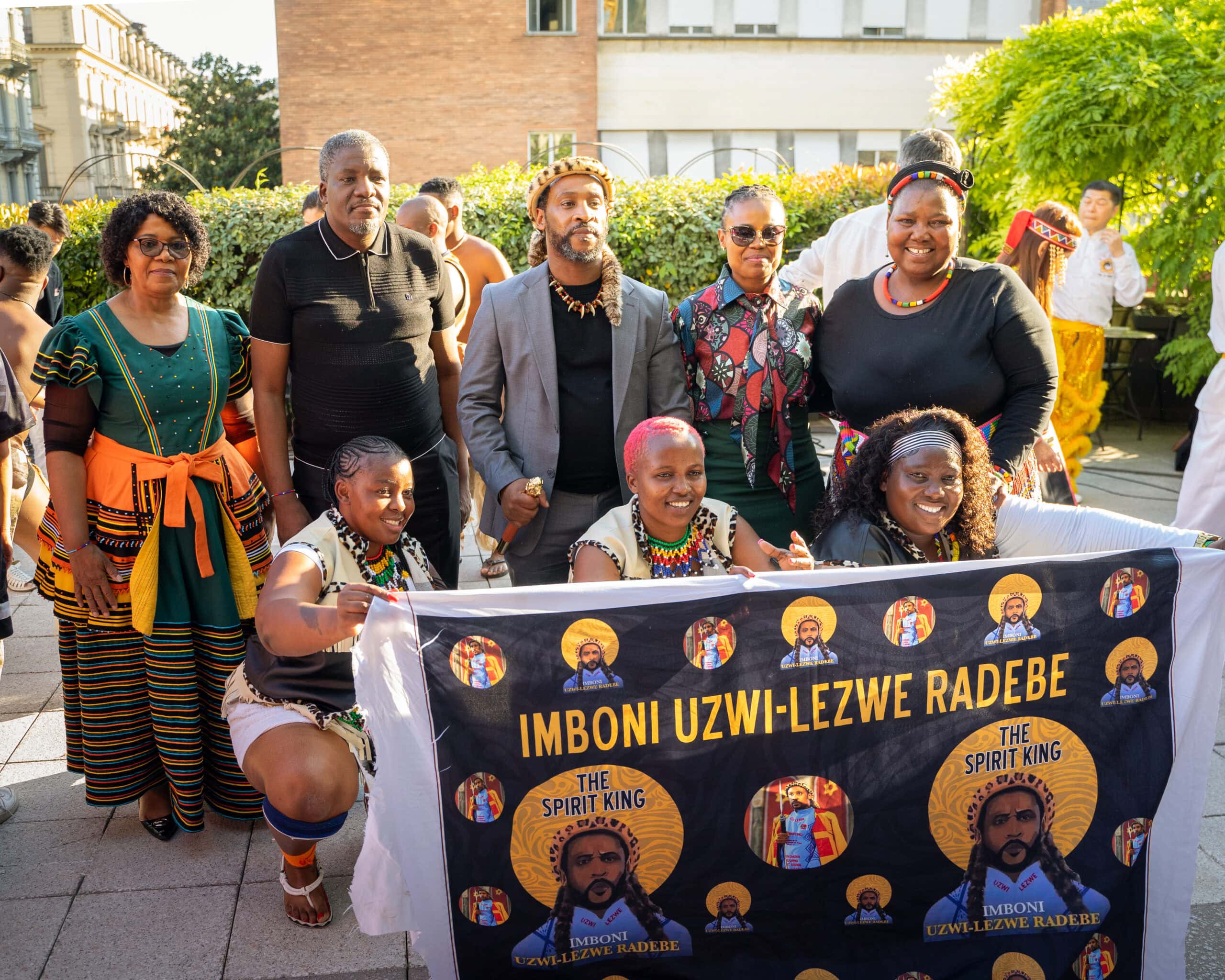
In the afternoon, dancers and singers from The Revelation Spiritual Home amazed and delighted the audience at an interreligious concert at Terrazza Solferino, a location for events that is included in the touristic itineraries for those who want to admire the beauty of Turin’s contribution to the Art Nouveau style (called in Italian “Liberty style”). The South African performers evoked in Turin the beauty of “The Spirit King,” a theatrical musical production about the life and spirituality of IMboni that premiered this year in South Africa.
In the evening, Dr. Radebe participated in a roundtable about religious liberty, under the aegis of the Italian chapter of the International Religious Freedom Roundtable, where different groups presented their problems of freedom of religion or belief.
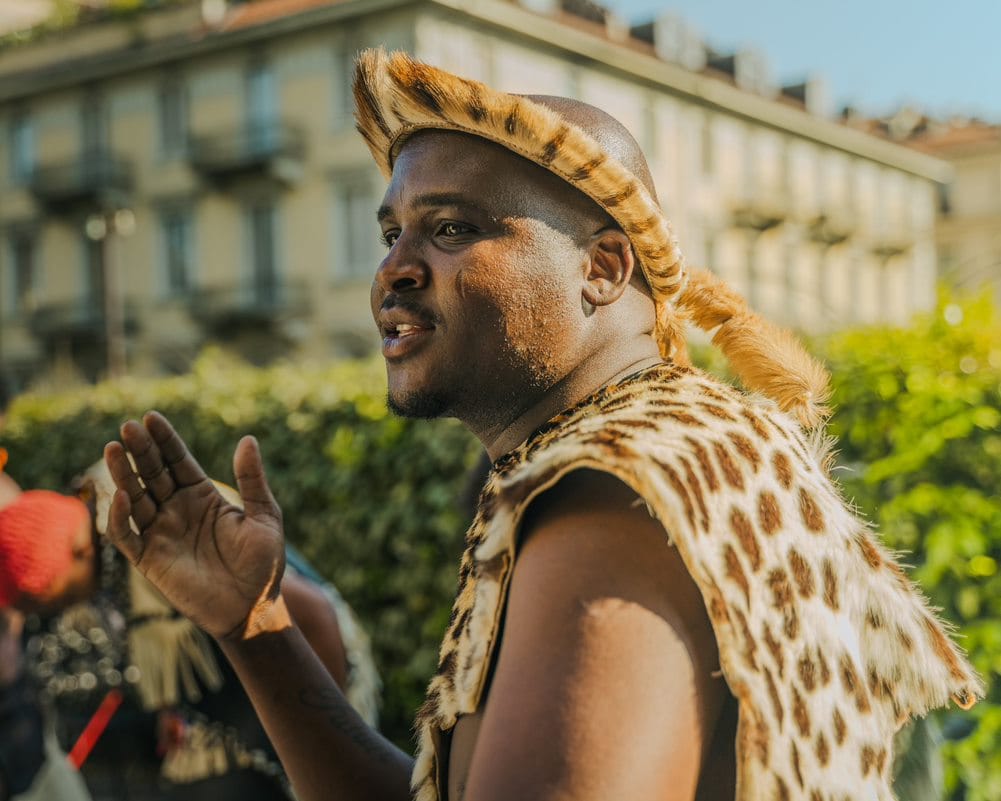

IMboni recalled how for being loyal to his mission he was initially persecuted and ridiculed. This makes him sensitive to the problems of religious liberty of others, including those of the Family Federation/Unification Church and of the Universal Peace Federation (UPF) in Japan, which were also discussed in the roundtable, with a presentation of Maria Gabriella Mieli from UPF.
Last December, in this spirit, Dr. Radebe became the African coordinator of the newly founded African Forum for Religious and Spirituality Liberty (AFRSL), which works with FOREF (Forum for Religious Freedom – Europe).
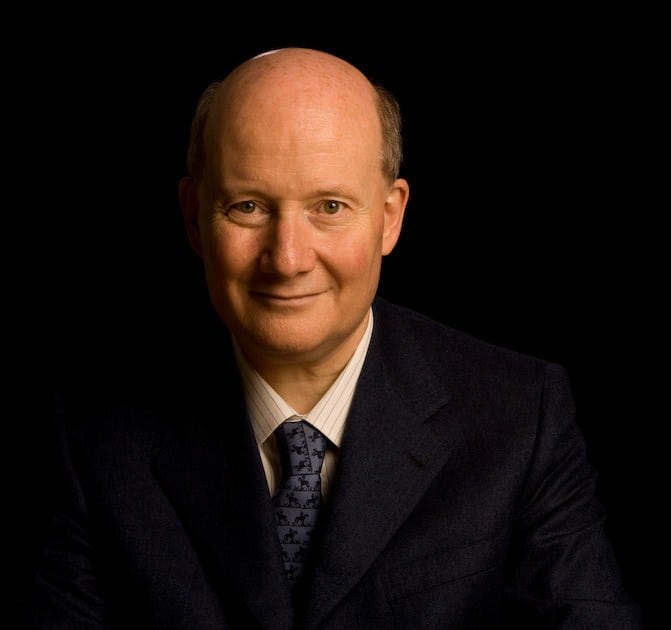
Massimo Introvigne (born June 14, 1955 in Rome) is an Italian sociologist of religions. He is the founder and managing director of the Center for Studies on New Religions (CESNUR), an international network of scholars who study new religious movements. Introvigne is the author of some 70 books and more than 100 articles in the field of sociology of religion. He was the main author of the Enciclopedia delle religioni in Italia (Encyclopedia of Religions in Italy). He is a member of the editorial board for the Interdisciplinary Journal of Research on Religion and of the executive board of University of California Press’ Nova Religio. From January 5 to December 31, 2011, he has served as the “Representative on combating racism, xenophobia and discrimination, with a special focus on discrimination against Christians and members of other religions” of the Organization for Security and Co-operation in Europe (OSCE). From 2012 to 2015 he served as chairperson of the Observatory of Religious Liberty, instituted by the Italian Ministry of Foreign Affairs in order to monitor problems of religious liberty on a worldwide scale.