The comprehensive assessment of how freedom of religion is threatened in Cuba, Nicaragua, and Venezuela, and by organized crime, omits the stigmatization of “cults” in democratic countries.
by Massimo Introvigne
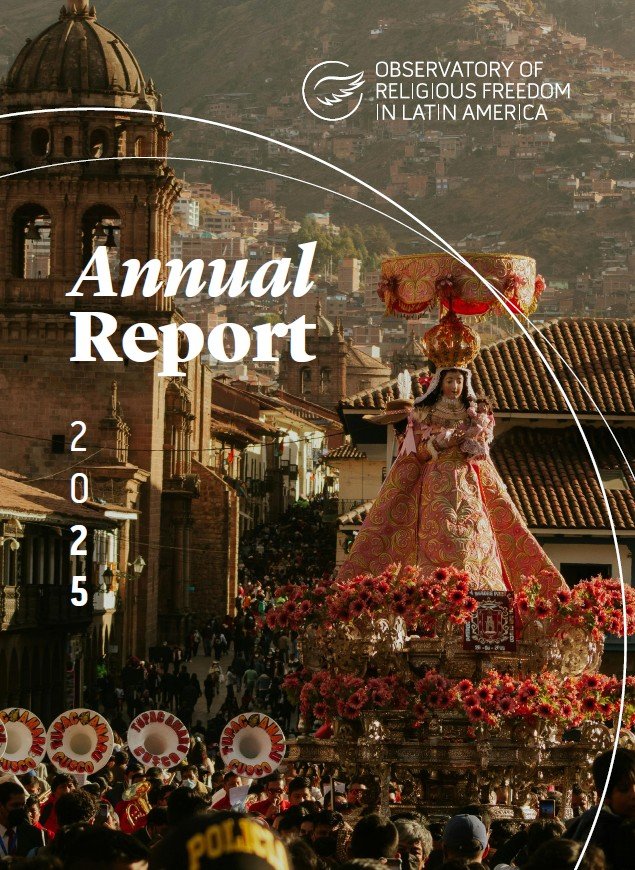
The OLIRE (Observatory of Religious Liberty in Latin America) 2025 Annual Report, released on February 17, 2026, offers one of the most comprehensive and sobering assessments to date of the state of religious freedom across Latin America. It paints a complex picture in which genuine progress coexists with deepening challenges, and where the exercise of a fundamental right is increasingly threatened by violence, repression, and the manipulations of political and criminal actors. The report begins by reaffirming that religious freedom is a multidimensional right, essential not only for individuals and communities of faith but also for the health and resilience of democratic institutions. It stresses that the ability to believe, not believe, or change one’s beliefs freely is inseparable from the broader struggle for human dignity and civic participation. Yet across the region, this right is under pressure from forces that range from authoritarian governments to armed groups, from criminal networks to ideological campaigns to silence or delegitimize religious expression.
OLIRE underscores that religious freedom involves far more than the right to worship. It encompasses the ability to live out one’s beliefs in family life, education, work, cultural expression, and public engagement. Restrictions—whether imposed by the state or by non-state actors—constitute violations of this right. The report supports the separation of religion and state but also affirms that religious groups have a legitimate place in public debate, provided they do not seek to impose their beliefs on others. This balanced position highlights the importance of pluralism and respectful dialogue in democratic societies, where diverse convictions must coexist without coercion or exclusion.
The political and social climate in several countries reveals how fragile this balance has become. Authoritarian regimes in Cuba, Nicaragua, and Venezuela impose repressive measures against dissenting religious voices, using broad legal frameworks to intimidate, surveil, and control religious communities. In Cuba, the 2019 Constitution and subsequent reforms have legitimized arbitrary restrictions,
portraying critical religious expressions as threats to political stability. Religious leaders who oppose state policies have faced “arbitrary detention, interrogations, fines, threats, constant surveillance, and restrictions on their mobility,” a pattern that effectively suppresses independent religious activity and discourages public criticism. The Cuban state’s approach reflects a broader strategy of ideological control, in which religious institutions are tolerated only insofar as they remain politically compliant.
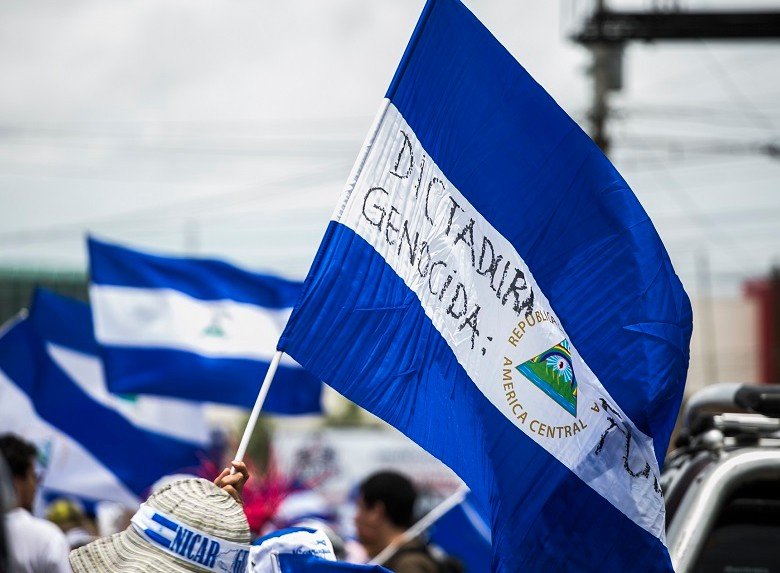
In Nicaragua, the report describes a systematic strategy of control involving “permanent surveillance, administrative harassment, economic pressure, restrictions on public expressions of faith, and the constant threat of legal sanctions.” The regime organizes public religious events to gain credibility among certain sectors while delegitimizing independent or critical churches, transforming religion into an instrument of state social control. The situation of the Catholic Church is particularly dire: the government has invalidated legal statuses, confiscated assets, and expelled clergy, undermining the Church’s ability to operate. OLIRE notes that “the situation in Nicaragua, particularly for the Catholic Church, remained a matter of profound concern,” reflecting both the intensity of repression and the internal divisions created by state pressure.
Venezuela presents a more nuanced but equally troubling dynamic. The government maintains close alliances with certain evangelical groups willing to align with the regime’s interests, offering them administrative benefits and public visibility. Other denominations, especially those critical of the government, face marginalization. The report observes that “authorities promoted a selective relationship with specific religious communities, particularly evangelical churches, offering administrative benefits or public visibility in exchange for political loyalty.” This selective empowerment of loyal groups and the sidelining of dissenting ones illustrate how religious language and institutions can be manipulated to bolster political legitimacy.
Violence remains a persistent and devastating threat to religious communities across the region. In Colombia, armed groups such as FARC dissidents, ELN, and criminal gangs continue to target religious leaders, communities, and places of worship. The report recounts chilling cases, including the abduction of religious and community leaders between April 4 and 6, 2025, by FARC dissidents led by Iván Mordisco. On July 1, 2025, their bodies were found in a mass grave. In Medellín and regions like Cauca, religious sites have faced intimidation, violence, and even occupation by armed groups. “Most notably in Cauca, Catatumbo, Guaviare, Meta, or Bajo Cauca, armed control has led to the closure of churches, the suspension of pastoral activities, and the forced displacement of leaders and congregants,” demonstrating how violence directly impairs religious freedom and community life.
Mexico presents another deeply troubling landscape. According to the report, the 2025 data “document killing, disappearances, abductions, armed attacks, and extortion against priests, pastors, congregants, and places of worship across multiple states, including Guanajuato, Guerrero, Veracruz, Jalisco, Sinaloa, Chiapas, Oaxaca, and Tabasco.” Attacks during religious services are often deliberate. Religious figures involved in social work or public denunciation of abuse are frequent targets. The report notes that “temples and religious events are no longer perceived as neutral or protective spaces in the face of generalized violence.” Criminal groups view religious institutions as obstacles to their territorial and social control.
In Venezuela, criminal and paramilitary groups linked to illegal mining, smuggling, and other illicit activities have targeted religious figures, churches, and social programs. These groups have engaged in threats, physical assaults, looting, arson, and extortion, trying to prevent the churches’ charitable and social activities. “In some incidents, aggressors openly expressed their rejection of these activities, viewing them as contrary to their illicit interests,” revealing how religious communities become targets when their moral or humanitarian work conflicts with criminal agendas.
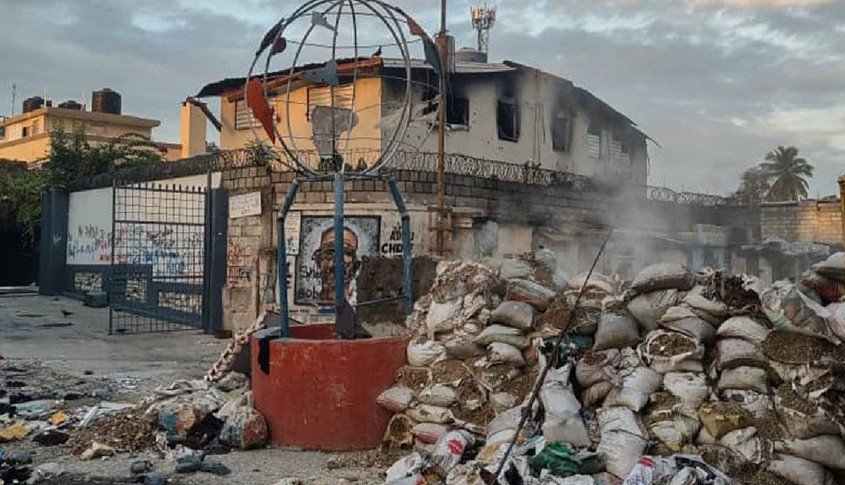
Haiti offers perhaps the most extreme example of religious communities under siege. Armed gangs dominate large urban zones, abducting, extorting, and attacking religious figures and institutions. Churches and religious schools have been looted and vandalized, and religious services disrupted by threats and violence. “Religious activity is under constant threat, characterized by disrupted services, demanding extortion payments from churches as ‘protection,’ and attacks occurring even during religious services.” Entire communities have been displaced, and “faith-based institutions that provide social and educational assistance are particularly vulnerable,” illustrating how the collapse of state authority leaves religious communities exposed to predatory violence.
Beyond physical violence, religious freedom faces restrictions through legal repression, social hostility, and ideological suppression. Cuba, Nicaragua, and Venezuela manipulate legal and political frameworks to curtail religious expression, especially when it challenges the regime or promotes human rights. Cuba’s “repressive legal frameworks at the highest legal level” have been used to justify arbitrary detentions, church closures, asset seizures, and surveillance. In Nicaragua, religious leaders opposing the regime face a “silent and structural model of repression,” involving “surveillance, threats, smear campaigns, and arbitrary detentions,” often facilitated by legal tools designed to silence dissent. Venezuela’s selective alliances with loyal evangelical groups further illustrate how religious affiliation can be weaponized for political purposes.
Legal restrictions also affect public officials who express religious convictions. In Colombia and other countries, tensions over religious symbols and speech have led to censorship or self-censorship, particularly on issues related to family, life, and morality. The report notes that “the expression of religious convictions in the public sphere faced challenges and, in certain instances, restrictions justified by the fight against discrimination,” raising important questions about the balance between freedom of expression and efforts to prevent discrimination.
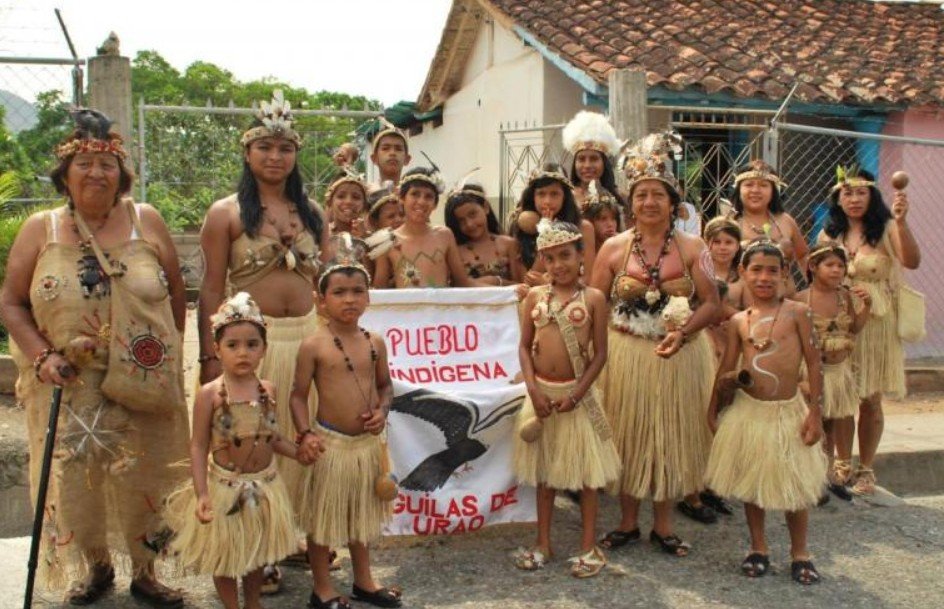
Indigenous communities face distinct and acute vulnerabilities. The report dedicates significant attention to their religious rights, emphasizing that their spiritual practices are inseparable from their collective identity, territorial rights, and traditional ways of life. “In many indigenous worldviews, territory holds a sacred character,” and violations of land rights are experienced as spiritual transgressions. External threats such as resource exploitation, territorial dispossession, and violence by illegal armed groups undermine their religious autonomy. Cases of discrimination or coercion include the rejection of traditional practices, which can lead to sanctions or violence, particularly when the state fails to protect indigenous land and cultural sovereignty. The report notes that violations of the individual dimension of religious freedom in this context include religious conversion to Christianity obtained through questionable means, which often causes conflicts within communities, exacerbated by external pressures and internal authority abuses.
A recurring theme throughout the report is the role of organized crime and violence in eroding religious autonomy. Criminal groups impose “parallel norms” that control access and mobility, restricting religious activities, processions, and community events. In Ecuador, “criminal groups impose parallel norms that restrict mobility, regulate schedules and delimit areas of movement,” effectively reducing the capacity for religious expression and communal gatherings. In insecure environments, religious activities often become secondary to survival, and religious sites become targets for theft, vandalism, or occupation. Throughout 2025, repeated instances of theft and desecration were recorded in Brazil, Colombia, Ecuador, and other countries, with attacks during services posing a continuous danger to faith communities.
The report also highlights how political regimes instrumentalize religion for ideological purposes. Cuba, Nicaragua, and Venezuela have manipulated religious language and institutions to bolster their legitimacy or marginalize opposition groups. In Cuba, “critical expressions were interpreted as a threat to the political order,” leading to “arbitrary cancellation of religious activities, closures, asset seizures, and surveillance.” Nicaragua’s regime has used state-sponsored religious events to reinforce its authority, while simultaneously repressing independent religious voices. Such practices reveal how authoritarian governments impose restrictions on religious freedom under political or ideological pretexts, severely limiting the ability of individuals and communities to practice their faith freely.
While OLIRE’s focus on violent incidents and blatant restrictions is essential and welldocumented, the report leaves out another serious and growing threat to freedom of religion or belief in the region: the misuse of antitrafficking laws to discriminate against minority religious or spiritual groups unfairly stigmatized as “cults.” “Bitter Winter” has documented how, in Argentina and elsewhere, antitrafficking legislation has been systematically weaponized to target groups whose beliefs or practices fall outside mainstream expectations. These groups face raids, prosecutions, media vilification, and social ostracism, often without evidence of wrongdoing.
Although the OLIRE report understandably prioritizes violence and overt repression, the discriminatory use of antitrafficking laws represents a subtler but equally dangerous form of state interference in religious life. These practices undermine due process, stigmatize minority communities, and violate the principle that all beliefs deserve equal protection under the law. They should have been included in any comprehensive assessment of religious freedom in the region.
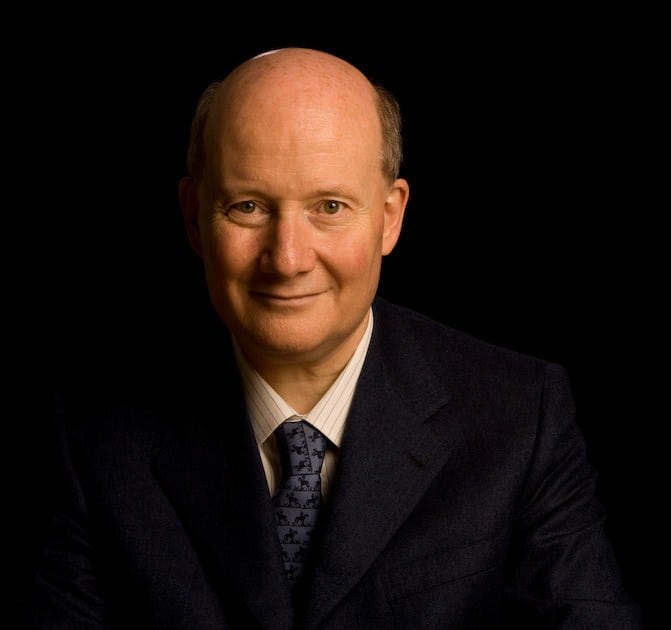
Massimo Introvigne (born June 14, 1955 in Rome) is an Italian sociologist of religions. He is the founder and managing director of the Center for Studies on New Religions (CESNUR), an international network of scholars who study new religious movements. Introvigne is the author of some 70 books and more than 100 articles in the field of sociology of religion. He was the main author of the Enciclopedia delle religioni in Italia (Encyclopedia of Religions in Italy). He is a member of the editorial board for the Interdisciplinary Journal of Research on Religion and of the executive board of University of California Press’ Nova Religio. From January 5 to December 31, 2011, he has served as the “Representative on combating racism, xenophobia and discrimination, with a special focus on discrimination against Christians and members of other religions” of the Organization for Security and Co-operation in Europe (OSCE). From 2012 to 2015 he served as chairperson of the Observatory of Religious Liberty, instituted by the Italian Ministry of Foreign Affairs in order to monitor problems of religious liberty on a worldwide scale.