The new policy assaults the Tibetan language and thus Tibet’s cultural and religious foundations.
by Tsering Dolma
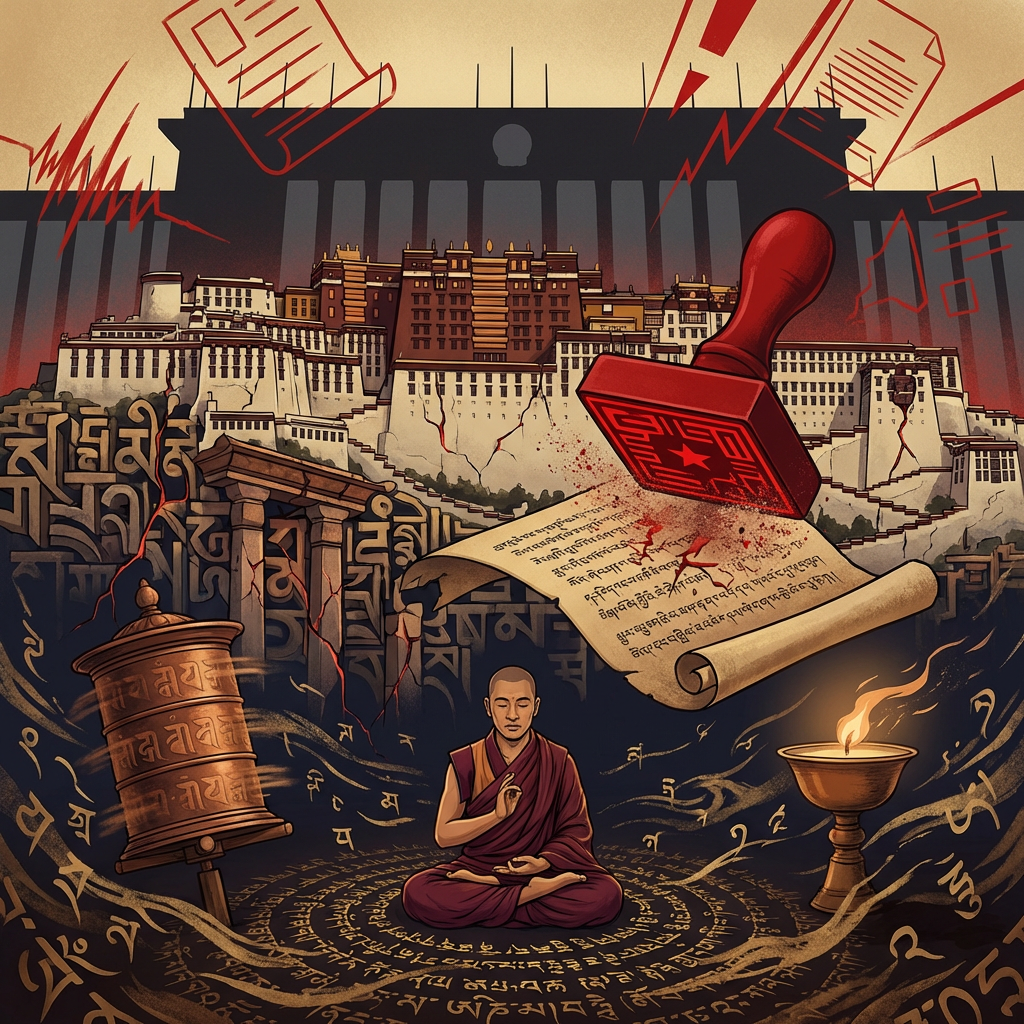
On March 12, 2026, the People’s Republic of China introduced a new ethnic policy officially framed as promoting “ethnic unity” and a consolidated national identity. Despite this framing, the policy carries profound implications for Tibetan Buddhism. In Tibetan society, religion, language, and culture are not separate domains but form a deeply integrated whole. Any state intervention targeting a single element, particularly language or cultural expression, inevitably extends to the religious sphere as well. The policy, therefore, functions not merely as a political framework but as a direct mechanism shaping the transmission, practice, and long-term continuity of Tibetan Buddhist traditions.
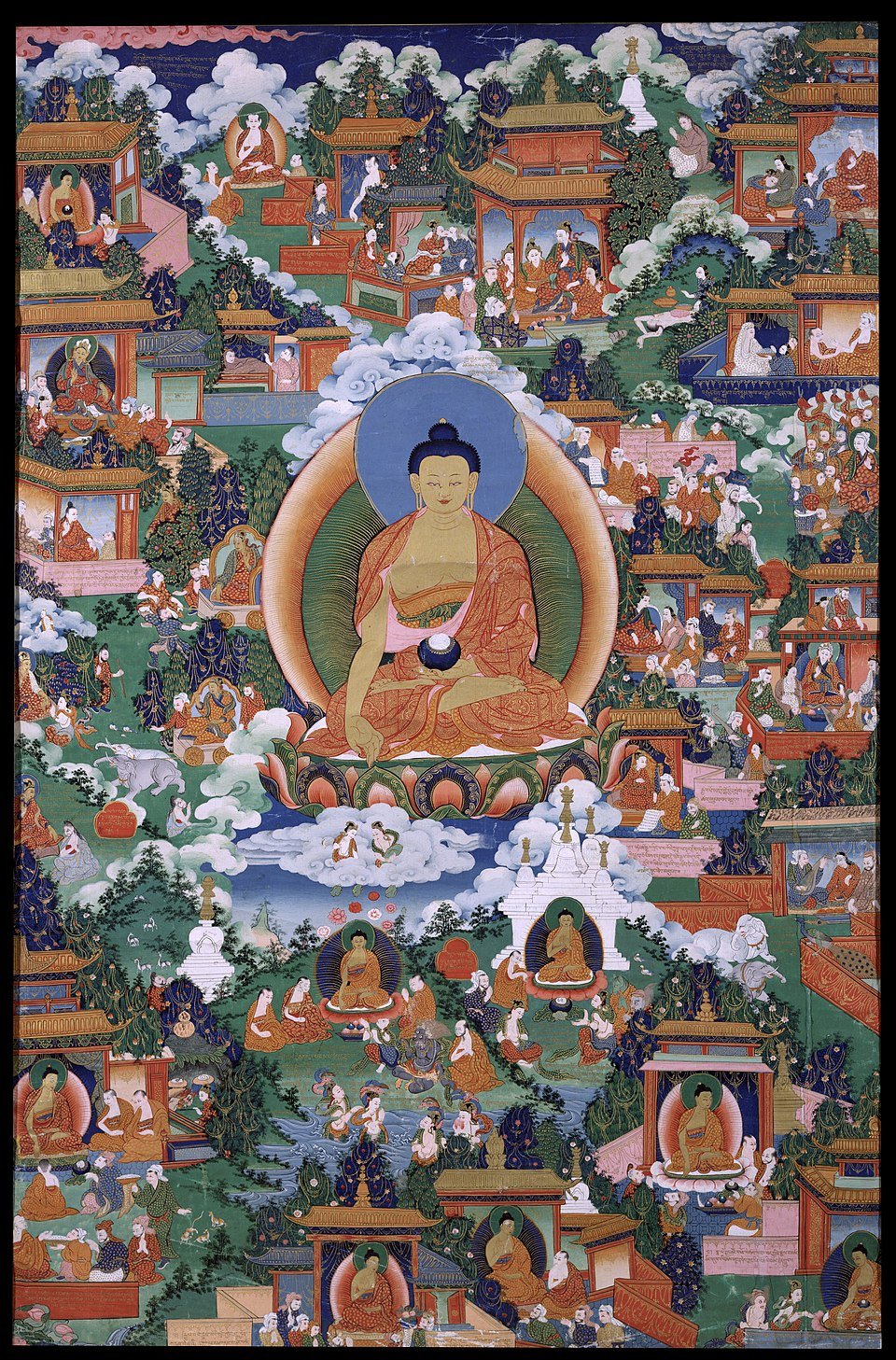
The relationship between language and religion is particularly profound in the Tibetan context, though not entirely inseparable. The Tibetan language is deeply intertwined with Tibetan Buddhism, serving as the primary medium through which its teachings, rituals, and philosophical traditions are transmitted. Foundational texts such as the volumes of Buddha’s teachings, the “Kangyur” (bka’ ‘gyur), the collected words of the Buddha, and the “Tengyur” (bstan ‘gyur), comprising centuries of Indian and Tibetan philosophical commentary, are preserved in classical Tibetan, a linguistic system uniquely constructed to carry precise doctrinal meaning, layered philosophical interpretation, and symbolic depth that no translation has ever fully replicated and no simplification can preserve. These are often difficult to capture in translation fully. Consequently, any weakening of the language risks limiting access to the original teachings and diminishing understanding of their depth. For this reason, Tibetans both within Tibet and in exile regard the preservation of their language as a matter of utmost importance.
Policies implemented by the Chinese government are widely perceived as systematic efforts to erode Tibet’s cultural and religious foundations, targeting above all its language and spiritual institutions. The 2007 Order No. 5, formally titled “Measures on the Management of the Reincarnation of Living Buddha in Tibetan Buddhism,” made this intervention explicit, requiring state approval for the recognition of reincarnated spiritual masters. What had long been a sacred, community-rooted process was thereby brought under political authority. The question this raises is not technical but fundamental: can a spiritual institution preserve its authenticity when its most sacred determinations require government sanction?
The displacement of Tibetan by Mandarin as the primary medium of instruction compounds this erosion. Language is not a neutral tool of communication. It is the root of cultural identity and the living medium through which spiritual knowledge is transmitted across generations.
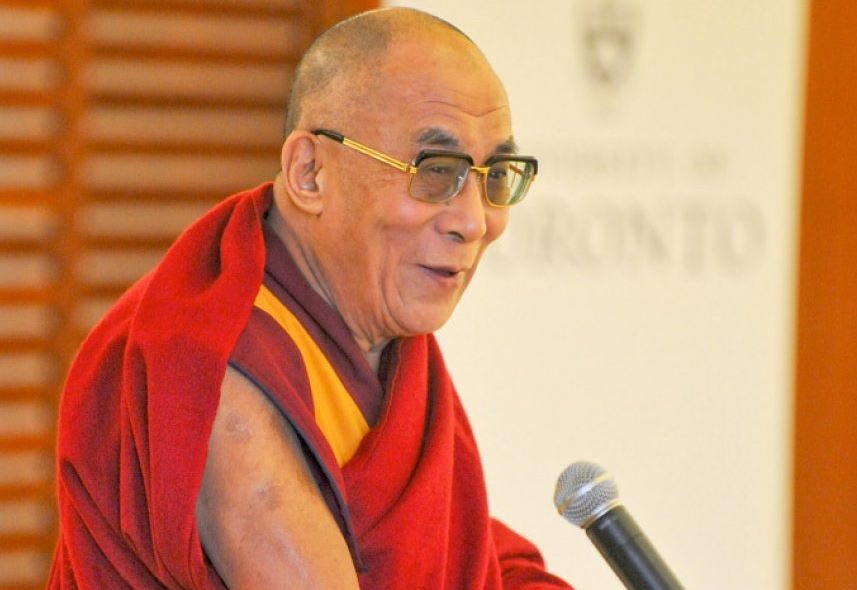
The Dalai Lama addressed this directly during a media interaction at the Tibetan Canadian Cultural Centre in Toronto on October 24, 2010. He argued that China, with its own deep Buddhist heritage, stands to benefit from preserving Tibetan Buddhist culture rather than suppressing it. He pointed to India as a working example, a country that sustains profound linguistic diversity without treating it as a threat to national unity. The contrast with current Chinese policy could not be sharper.
Recent developments lay bare the true cost of resistance. According to the International Campaign for Tibet, Tibetan monk Palden Yeshi, aged 52, from a monastery in Kardze (Ganzi) Tibetan Autonomous Prefecture, Sichuan, was detained by Chinese authorities on May 17, 2021, and subjected to nearly five years of enforced disappearance. His family received no information about his whereabouts until late February 2026, when a relative was finally permitted to visit him at Chushul Prison, southwest of Lhasa. There, he disclosed that he is serving a six-year sentence believed to be directly linked to his efforts to preserve the Tibetan language.
His case is not an isolated incident. It is emblematic of a broader pattern in which cultural and linguistic preservation is treated as a criminal act. When a monk disappeared for nearly five years and was imprisoned for protecting his own language, the claim that these policies merely promote “ethnic unity” becomes impossible to sustain.
Tibetan Buddhist systems like Madhyamaka and Dzogchen rely on highly precise language to express subtle distinctions. Translation often reduces multiple terms to a single word, such as “mind” or “emptiness,” thereby losing both clarity and depth. Thus, language is not just descriptive but essential for guiding realization.
Furthermore, in Tibetan tradition, especially in Vajrayana practices, teachings are not regarded as complete through textual study alone. They require three essential modes of transmission: oral transmission (rlung), instruction (khrid), and empowerment (dwang). These are passed down from teacher to student in Tibetan, preserving lineage continuity and serving as the initial doorway for beginners to enter Vajrayana practices.
Therefore, if the language weakens, oral transmission declines, and the essential essence may be lost. If the language declines, these subtle instructions may disappear. This challenge is particularly significant in traditions associated with Padmasambhava, where teachings known as “terma” (hidden treasures) are revealed by “treasure revealers” (gterstons). These teachings often rely on the dakini script (mkha’drodgyig), requiring deep linguistic and cultural familiarity to interpret. A decline in Tibetan literacy could therefore prevent future generations from decoding the spiritual heritage.
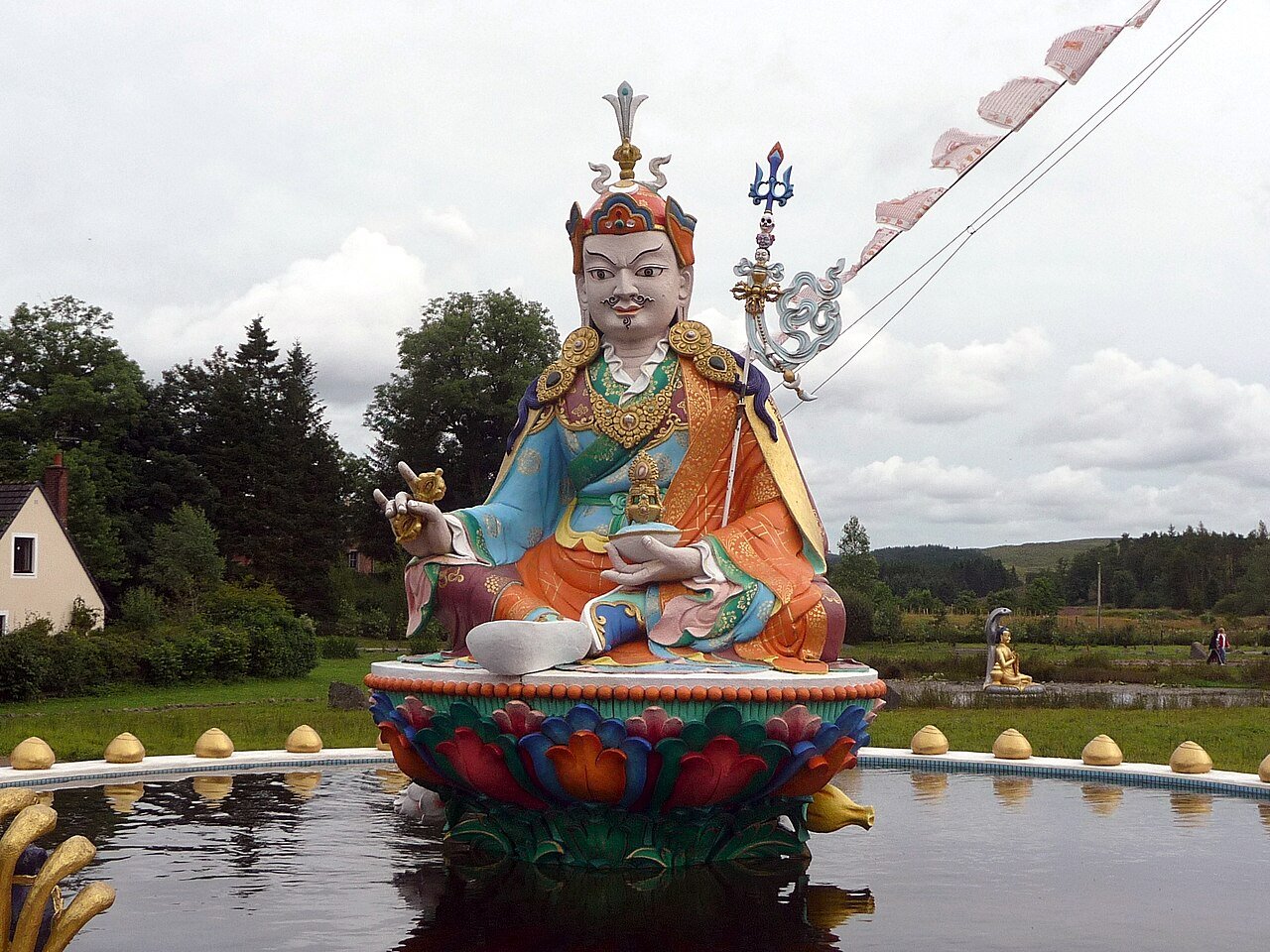
This concern reflects core Buddhist principles like dependent origination, highlighting interdependence. The loss of language, therefore, risks the loss of an entire philosophical training system. Beyond doctrine, the Tibetan language preserves stories of saints and yogis, cultural metaphors, and elements of devotional poetry whose depth often fades in translation. It is thus not only religion that is at stake, but how it is experienced and lived.
In this light, the erosion of the Tibetan language does not eliminate Buddhism itself. Still, it poses a risk of losing the depth and continuity of Tibetan Buddhism as a living tradition.
In 2010 at Bodhgaya, the Dalai Lama urged Himalayan communities to learn Tibetan, emphasizing that Buddhist teachings cannot fully survive in translation and must be preserved through the language itself.
This position has since been corroborated at the highest levels of international scrutiny. In a report presented to the United Nations Human Rights Council in Geneva, Nicolas Levrat warned that Chinese state policies are contributing to the systematic erosion of Tibetan civilization, describing them not merely as discriminatory but as a form of “eradication in more subtle ways.” At the center of this concern is the large-scale boarding school system imposed on Tibetan children, through which Mandarin, state ideology, and assimilative practices dominate daily life. In contrast, the Tibetan language is structurally marginalized. Separated from their families and communities, these children are denied the natural conditions through which language, culture, and religious identity are transmitted across generations.

The relationship between the Tibetan language and Tibetan Buddhism is not one of convenience or historical accident. It is one of the constitutive interdependences. Language is not the medium through which Tibetan Buddhism is communicated; it is the condition under which it exists, is understood, and is transmitted. Every policy that erodes the Tibetan linguistic environment, therefore, strikes not at the periphery of the tradition but at its core.
The ethnic policy introduced by the People’s Republic of China on March 12, 2026, clearly reveals this reality. Framed as cultural consolidation, it effectively dismantles the conditions needed for Tibetan Buddhist knowledge to survive. The tradition may persist in name, but without its language, texts, and living transmission, it is not preserved; it is being erased. The preservation of the Tibetan language is therefore not a cultural preference or a political position. It is essential. Without it, the full depth, authenticity, and continuity of Tibetan Buddhism cannot survive, not because the religion lacks resilience, but because no tradition can endure the systematic destruction of the conditions that make it possible. It is the survival of one of humanity’s most profound and irreplaceable intellectual and spiritual inheritances.

Tsering Dolma is a Research Fellow at the Tibet Policy Institute, a think tank and research center of the Central Tibetan Administration in Dharamshala, India. She earned her Ph.D. in Buddhist Studies from the University of Delhi.