In Guangdong and Shandong, authorities vow to show “no tolerance” to the redemptive religious movement.
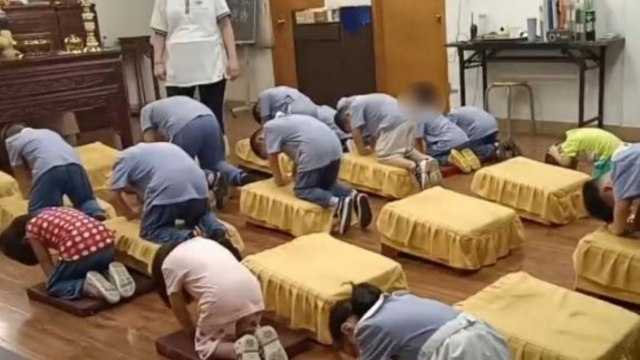

In Guangdong and Shandong, authorities vow to show “no tolerance” to the redemptive religious movement.
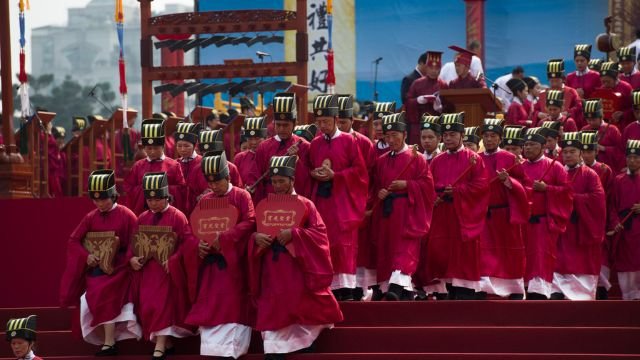
While Yiguandao’s persecution ceased, other groups had problems in post-authoritarian Taiwan. In China, Yiguandao was never really free.
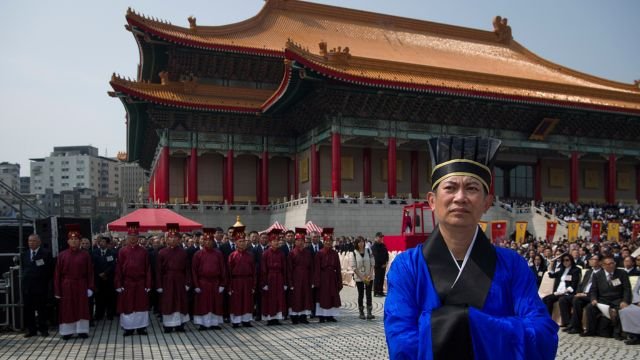
Many Yiguandao followers escaped to Taiwan fleeing Mao’s persecution. But the Kuomintang regime persecuted them, too.
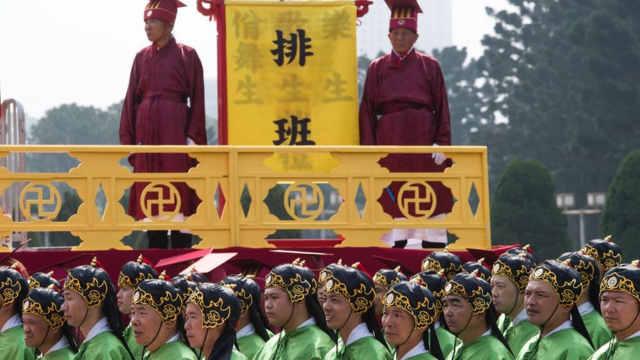
For number of those arrested and executed, the crackdown on Yiguandao in Mao’s China was the largest repression of a single religious group in the history of the People’s Republic.

Both local and visiting Taiwanese believers were arrested and charged with being part of a “xie jiao,” although Yiguandao is not in the official list of banned movements.

On December 26, Taipei’s Mainland Affairs Council warned that the anti-xie-jiao Article 300 of the Criminal Code is now enforced against Yiguandao although it is not in any official xie jiao list.
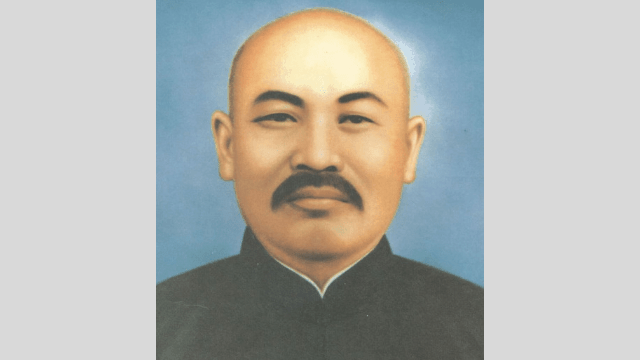
The massive CCP persecution of the new religious movement Yiguandao in the 1950s became the model for the repression of groups labeled as “cults” from the 1990s on.

Hong Kong scholar Edward Irons explains the historical roots of the proscription of certain groups as xie jiao (heterodox teachings), and how being on the list of the xie jiao means being a main target for persecution.