Scholars from various countries examined a human rights struggle that is soon to enter its 30th year.


Scholars from various countries examined a human rights struggle that is soon to enter its 30th year.

Academics and human rights advocates have denounced for more than five years, including at the United Nations, the injustice perpetrated in Taiwan.
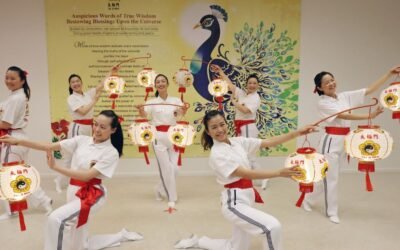
A legal analysis proves that the Taiwanese government violated domestic and international law in the Tai Ji Men case.

East Asian anti-cultism stems from an unholy alliance between Christian heresy hunters and left-leaning lawyers, politicians, and media.

A study by Li Hou-chen in “Lingua Sinica” examines how China’s VIP guests are outmaneuvered and manipulated to further CCP propaganda.
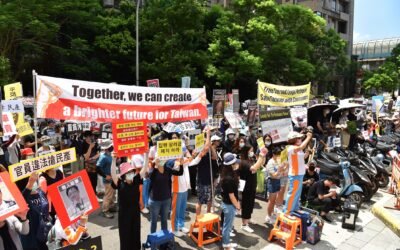
The teachings of the great Islamic scholar on fiscal justice remain relevant today for evaluating the dysfunctional Taiwanese tax system.
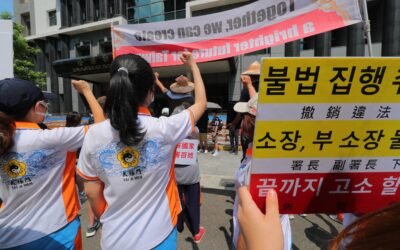
In the Tai Ji Men case, taxes were weaponized as a tool of discrimination and persecution.

The power of culture and education is essential for spreading peace and rectifying injustice.

The remarkable achievements of Tai Ji Men led to both success and government suspicion, resulting in repression.

China’s use of historical cinema to push reunification narratives is drawing criticism even within its own borders.