United Nations’ documents are increasingly treating corruption as a human rights issue. This directly impacts the case of Tai Ji Men.


United Nations’ documents are increasingly treating corruption as a human rights issue. This directly impacts the case of Tai Ji Men.
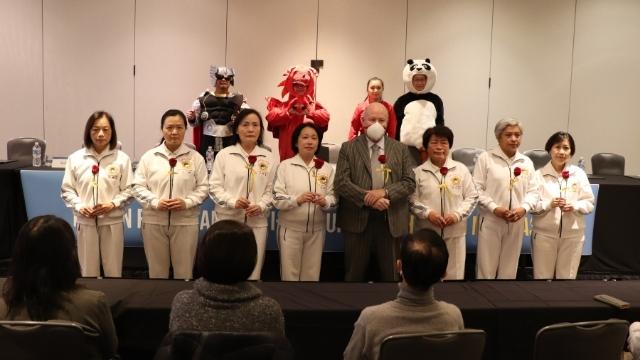
An international forum for human rights denounced corruption as a violation of human rights, as epitomized by what happened to Tai Ji Men in Taiwan.

Taxes are a typical feature of the state. When the state excessively expands its activities, problems occur, as the Tai Ji Men case demonstrates.

Spiritual motivations played a crucial role in eliminating slavery. Today, they give us hope that administrative oppression can be eliminate as well.

On the International Day for the Abolition of Slavery, expert agreed that even today administrative oppression and unjust takes may reduce citizens to slaves.
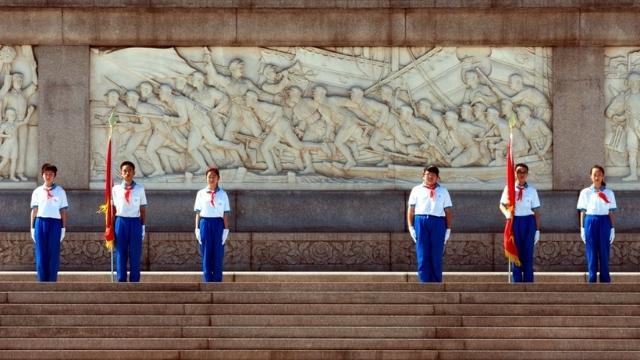
The label xie jiao has been used in Imperial China, Communist China, and Taiwan to discriminate against spiritual groups perceived as anti-government.

Media and politicians were told this is a political human rights issue that should find a political solution.

Once, rescuing slaves and returning them to their families was a worthy activity. Today, opposing FORB violations combats new forms of slavery.*

The phenomenon of the gender gap in religion, i.e. that more women than men are “spiritual,” is unfortunately known also to persecutors.

The United Nations Day to eliminate violence against women was an opportunity to celebrate the brave female dizi who endured humiliations and suffering.