Tai Ji Men is guilt by innocence. Cleared from all accusations, it continues to be harassed by corrupt bureaucrats who live outside of reality.


Tai Ji Men is guilt by innocence. Cleared from all accusations, it continues to be harassed by corrupt bureaucrats who live outside of reality.
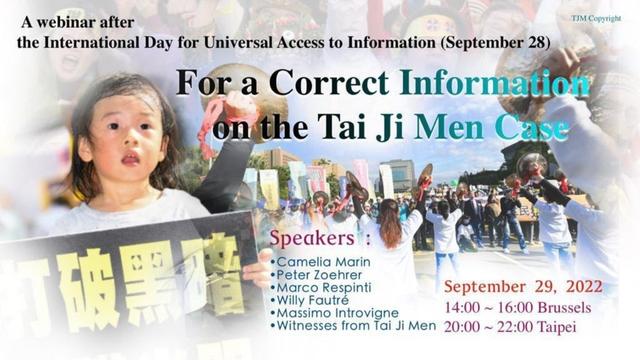
On September 28, scholars and human rights activists discussed the role of fake news in the persecution of spiritual minorities and the Tai Ji Men case.

At the 51st session of the United Nations body, a written statement has been presented about the appeal of international scholars and human rights activists for a solution of the case.

As French journalist and historian Jacques Crétineau-Joly said, “Truth is the only charity allowed to history.” Tai Ji Men Shifu and dizi deserve it too.

Good politics is a form of charity. Tax persecution is its contrary, a manifestation of political malevolence.

The story of an Italian city that disappeared confirms that “the power to tax is the power to destroy.”
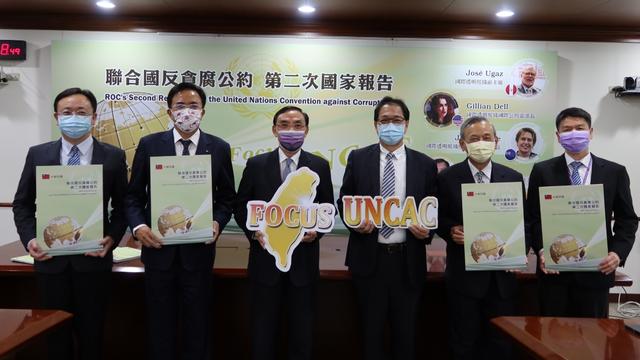
Experts examined Taiwan’s compliance with the United Nations Convention Against Corruption. While their report was interesting, it omitted tax corruption and its impact on human rights.

Après l’assassinat de l’ancien Premier ministre, les membres de l’Église de l’Unification reçoivent des menaces de mort et sont victimes d’intimidation au travail et à l’école.

Who are the “Victims of Acts of Violence Based on Religion or Belief”? Sometimes, they are victims of democratic states, as the Tai Ji Men case demonstrates.

In recent cases, victims of religious discrimination are falsely presented as if they were the guilty parties. It is the same strategy used in 1996 against Tai Ji Men.