Ministerstvo kultúry sa chystá začať konanie, ktorého následky by boli drastické.


Ministerstvo kultúry sa chystá začať konanie, ktorého následky by boli drastické.
Their teachings are accused of “endangering the unity of the nation.” It is a clear violation of international principles on freedom of religion or belief.

Printing and selling for a small fee Christian literature is now regarded as sufficient to throw fraud charges at house church preachers and elders.
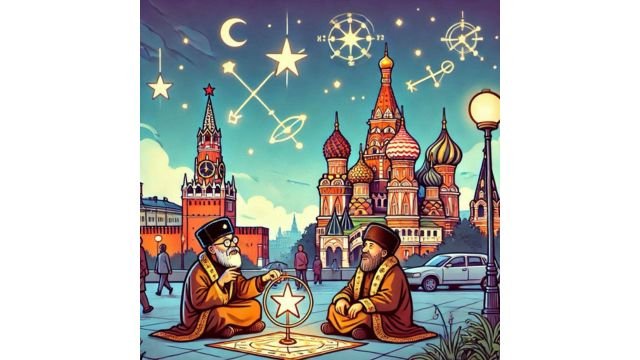
A law proposal would prohibit broadcasting horoscopes and “magic-based predictions” in all media.
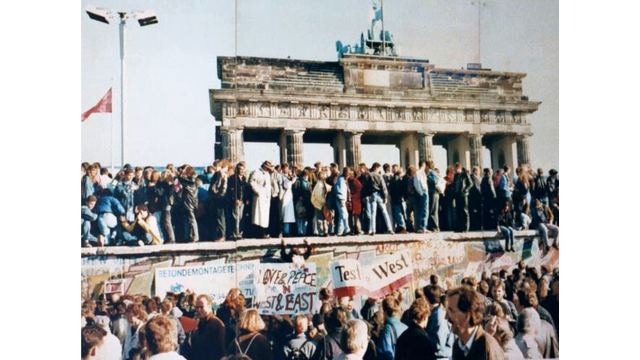
Religion (including the presence of a Polish Pope) was not the only factor leading to the fall of Eastern European Communism, but certainly played a role. There were also religious consequences, from Russia to China.

Bringing abroad Buddhist relics kept in China is used as a tool for Chinese propaganda and for spreading the lie that the CCP promotes religious liberty.
La religione e la presenza di un Papa polacco non sono state l’unico fattore che ha portato alla caduta del comunismo nell’Europa orientale, ma hanno certamente svolto un loro ruolo. Ci sono state anche conseguenze religiose, dalla Russia alla Cina.

They manifest the “cultural tradition of Brazilian society” and do not violate the principle of separation of religion and the state, the Court said.

Video cameras, false “cleaners,” and police visits to members of his church try to continuously harass the indomitable preacher.

The judges found in favor of the Bulgarian Orthodox Old Calendar Church. But both the government and the opposition said they would not accept the decision.