The Pakistan Security Report 2021, a yearly report of the authoritative Pak Institute for Peace Studies, recommended urgent action by the Parliament.


The Pakistan Security Report 2021, a yearly report of the authoritative Pak Institute for Peace Studies, recommended urgent action by the Parliament.

Italian and Pakistani archeologists made the exciting discovery. Religious prejudice explains the low vigilance against vandalism.

Anti-French riots after the Charlie Hebdo incidents led to new attempts to ban the party. They failed, once again, and TLP is now stronger than ever.
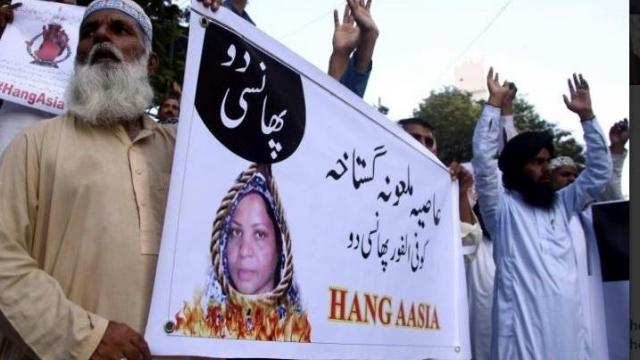
After new riots against Asia Bibi, the Pakistani judiciary tried to put an end to the party’s violence. It did not succeed.
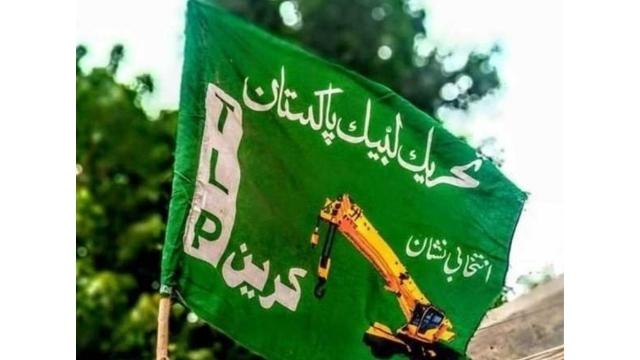
The ideas of Rizvi’s party are not traditional Islamic fundamentalism. Yet they are extremist and violent.

In 2016 and 2017, TLYRA and the political party it created proved their ability to paralyze the country through mass protests with an anti-minorities agenda.

The movement supporting the Barelvi assassin of the Punjab governor who had defended the Christian woman accused of blasphemy generated the Tehreek party.

After 9/11, Barelvi condemned terrorist organizations they regarded as Wahhabi-inspired and suicide attacks, but supported jihad against the U.S. and India.

The rise of a violent political party, now a key actor in Pakistani politics, among the supposedly peaceful Sufi Barelvi movement caught experts by surprise.

Model poses bare-headed and with her back to the shrine inside the largest and one of the most venerated Gurdwaras in the world.