The crucial Theosophical influence on the fathers of modern abstract art has been progressively rediscovered in recent years.
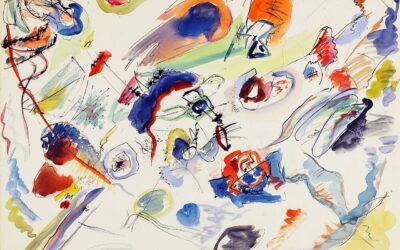

The crucial Theosophical influence on the fathers of modern abstract art has been progressively rediscovered in recent years.
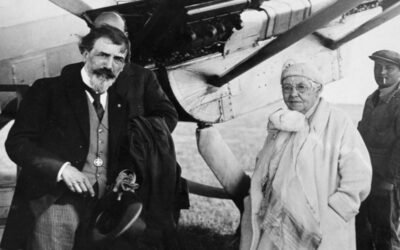
“Symbolism” offered to artists willing to express Theosophical ideas the language they were looking for.
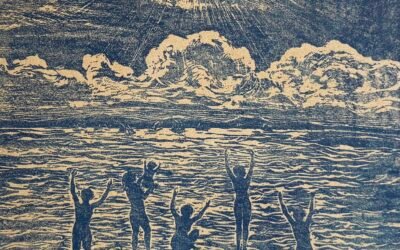
Of all spiritual and religious organizations, none has had a greater influence on modern art than the Theosophical Society.
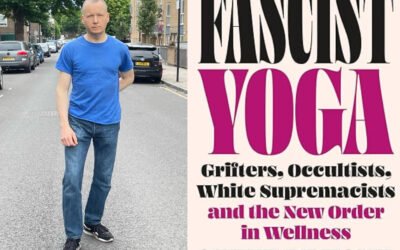
The book has value and uncovers some disturbing connections, but ultimately collapses under the weight of its sweeping and unfair generalizations.
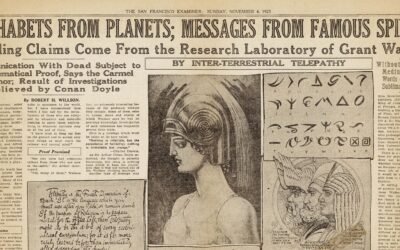
From his cabin in California, the artist believed he could communicate with deceased, extraterrestrials, and higher beings through a “mental radio.”
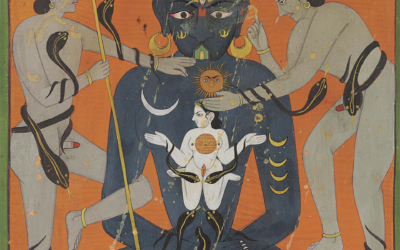
Sravana Borkataky-Varma and Anya Foxen refuse to tell us what Kuṇḍalinī “really” is. And yet we may end up knowing more about Kuṇḍalinī than we ever dared to ask.
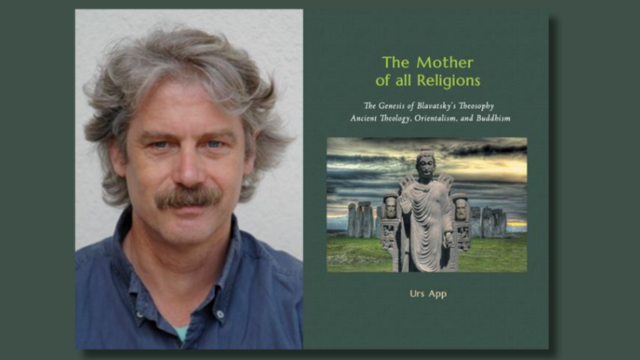
“The Mother of All Religions,” a tour de force on the sources of Theosophy’s foundational texts, is both impressive and irritating.

The forgotten meeting between the Victorian novelist and the South African religious and political activist—and Simon Magus’ excellent book on Haggard.
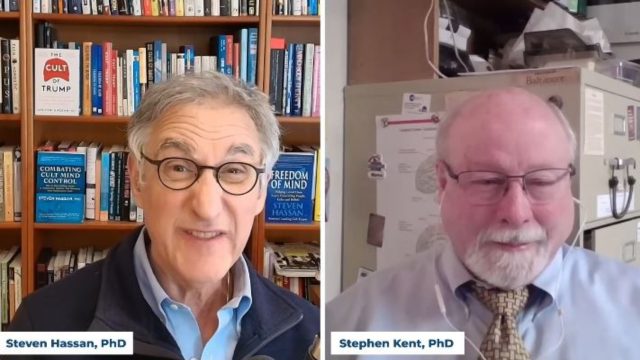
True believers in Satanic ritual abuse still exist and may even persuade legislators to pass laws. Many more apply Kent’s flawed logic to “cults.”
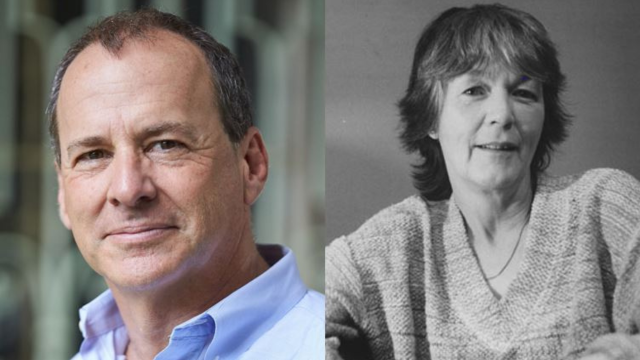
Leading experts on the Satanism scare, David Frankfurter and Jean La Fontaine, debunked Kent’s theories. His rejoinder was not persuasive.