Massimo Introvigne hablando en el Foro de Buenos Aires.


Massimo Introvigne hablando en el Foro de Buenos Aires.
An appeal to avoid labels that have no accepted scientific meaning and are used as tools of discrimination.

New Creation’s leader in Omsk was told that Article 239.1 of the Russian Criminal Code makes “psychological abuse” a crime.

Si vous faites un don à un mouvement qui déplait à la société, on assume que vous avez été victime de « manipulation mentale ».
If you donate to a movement that the society views with hostility, it is assumed you were a victim of “mind control.”

Brainwashing was debunked by scholars of new religious movements as pseudoscience already in the 20th century. It now returns in Japan.
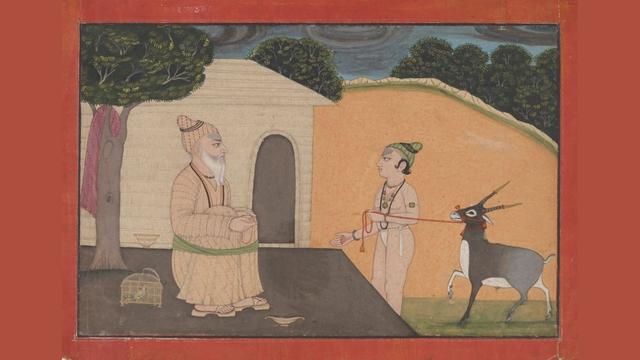
“Guru” has become a derogatory word in a world that does not understand what a spiritual master is, as the Tai Ji Men case demonstrates.

Pastor Stanislav Moskvitin is tried in Omsk for having allegedly converted his devotees through “illegal psychological techniques” and “hypnosis.”

The British affiliate of FECRIS calls for extending legislation on “coercive control” to new religious movements. In fact, it tries to resurrect the discredited theory of brainwashing.

Brainwashing theories: origins, application in the military field, and to religious groups, up to their discredit. Are mind control theories making a comeback?