A French-style set of laws imposing “laïcité” is now increasingly resisted, both in Quebec and in other provinces.
by Massimo Introvigne
A growing body of evidence, including extensive reporting by the Canadian public broadcaster CBC, shows that Quebec’s shift toward a French-style model of “laïcité” is no longer limited to the public sector. It is now changing the daily lives of religious minorities in schools, daycares, and community spaces. What started with Bill 21 in 2019 has expanded into a complex legal framework, namely Bills 94 and Bill 9. The National Assembly is currently considering the latter. These laws treat visible religious identity as incompatible with participation in public institutions. The result is a climate where religious freedom is shrinking, confusion is widespread, and resistance is emerging both within Quebec and across Canada.
CBC recounts how Sabaah Khan, a mother who volunteered for eight years in her children’s school library, was suddenly told she could not enter the building while wearing her hijab. The school board cited Bill 94, which extends the earlier restrictions of Bill 21 to include all school employees, students wearing face coverings, and now parent volunteers. Khan, who had catalogued books, read to children, and driven students to sports events, described the decision as deeply hurtful and a violation of her right to practice her faith. Her experience reflects a broader trend: people who have long been part of school communities are now seen as unwelcome because of their religious attire.
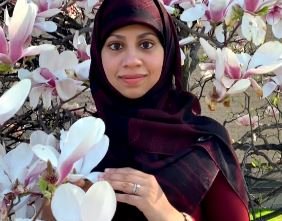
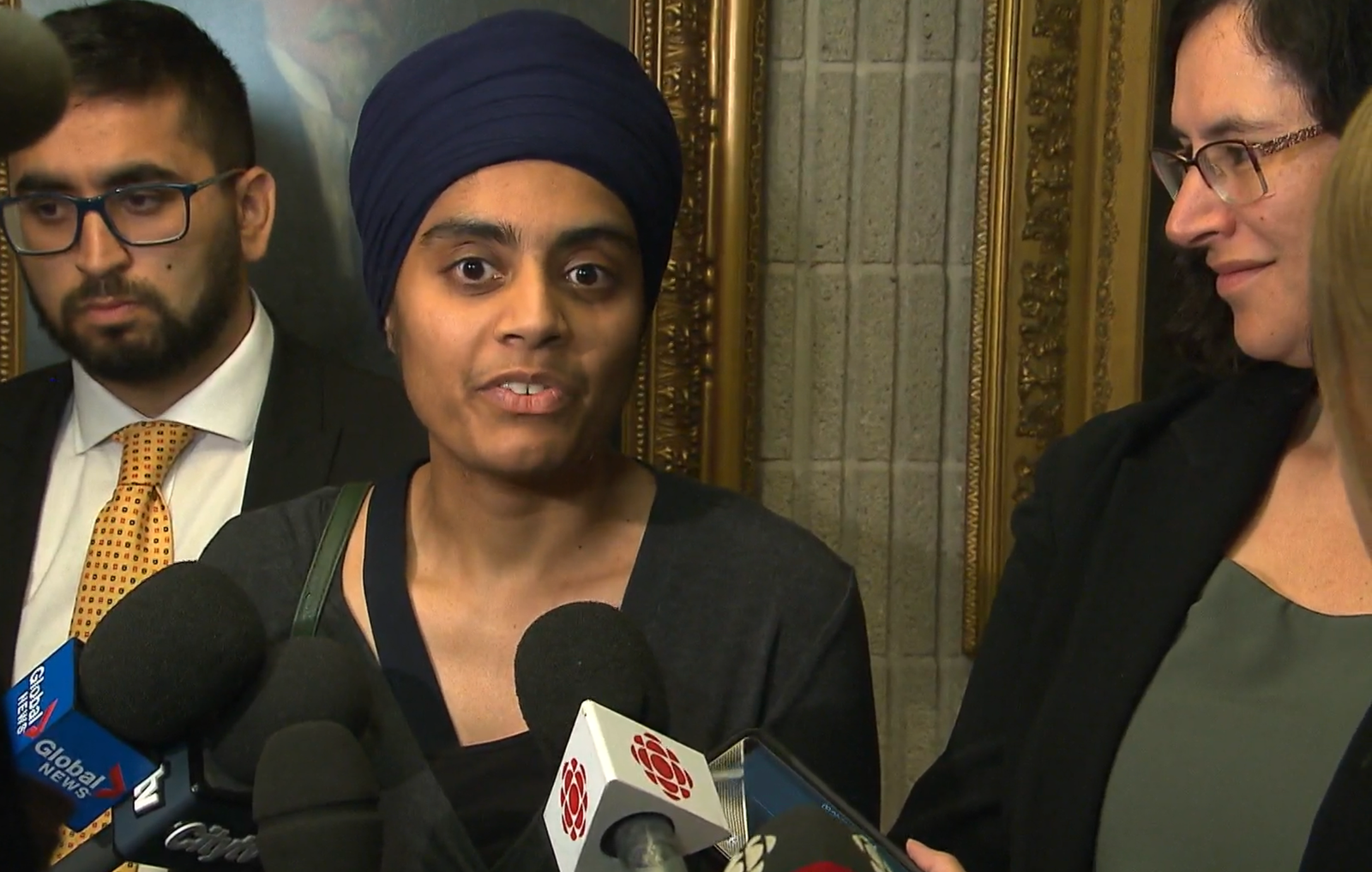
CBC’s reporting also highlights the impact on teachers whose careers have been disrupted. Sikh educator Amrit Kaur, who wears a turban, left Quebec for British Columbia because Bill 21 prevented her from being hired in the province where she grew up and trained. Montreal teacher Bouchera Chelbi, who wears a hijab, technically has “acquired rights” under the law. However, those rights limit her role: she cannot pursue promotions or become a principal unless she removes her religious symbol. “They don’t look at what’s in your head; they look at what’s on your head,” she told CBC, describing a system that judges competence based on religious conformity.
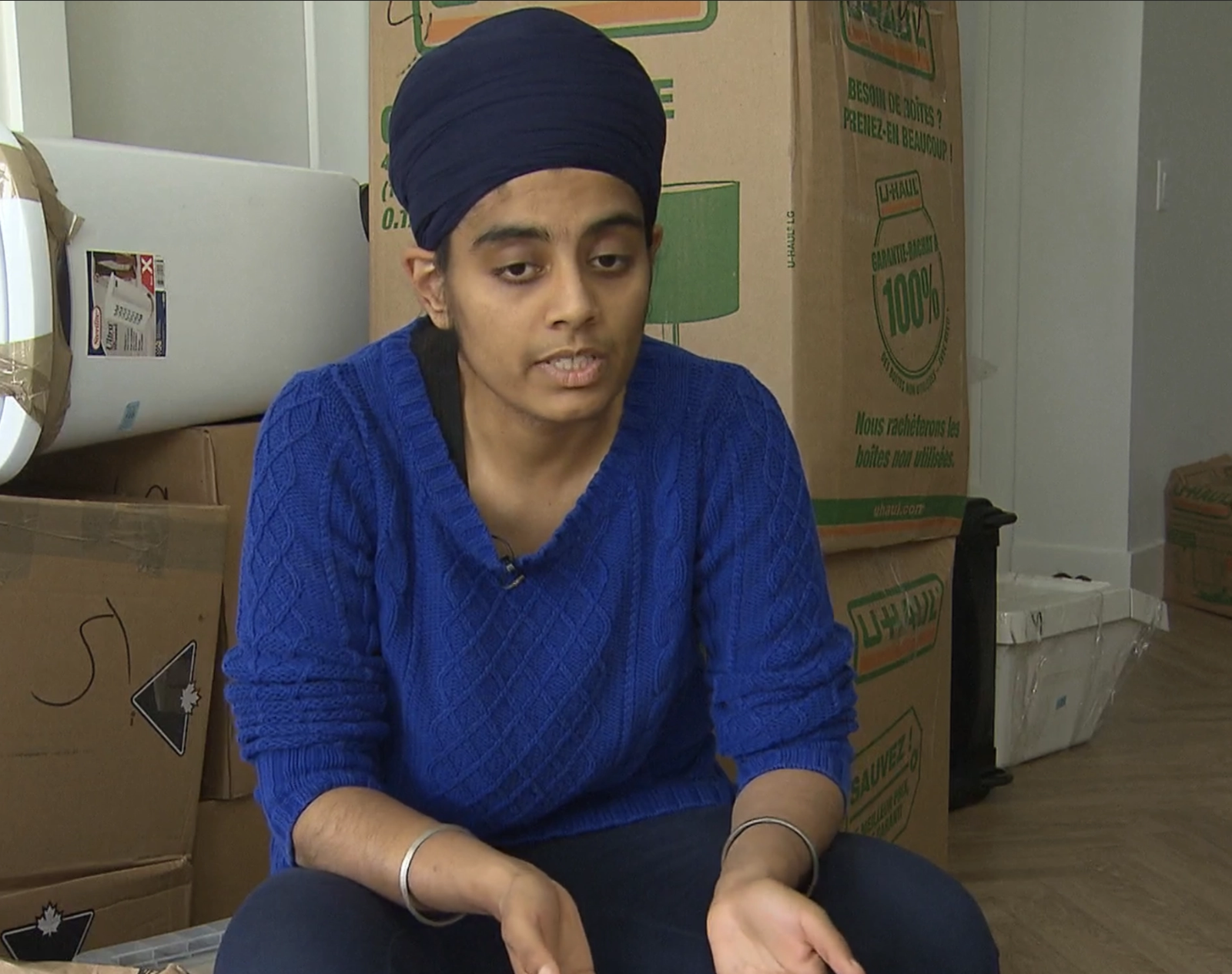
For parent volunteers, the situation is even more difficult. They have no “acquired rights” and are being turned away outright. CBC reports that Asma Qureshi, who has volunteered for 7 years and is providing food for her daughter’s graduation lunch, was told she could not distribute the food because of her hijab. She said the experience made her feel like a second-class citizen. Another parent, Pavandeep Magon, who wears a turban, explained he can no longer help set up school events or tie children’s skates at winter carnivals. Volunteering is part of his Sikh identity; being barred from helping is both insulting and confusing.
The uncertainty surrounding Bill 94 has increased anxiety. CBC recounts how Khan, attending a basketball game, had to show organizers the text of the law to prove she was allowed to be there. Magon wondered if helping an elderly woman whose car was stuck in the snow might be seen as “volunteering,” joking grimly about whether police might intervene. These situations reveal how the law’s reach has become unpredictable, leaving religious minorities unsure of what they can do in public spaces.
The legal climate is set to become even more restrictive. Bill 9 would extend religious-symbol bans to subsidized daycares and private schools, restrict kosher and halal food in public institutions, eliminate prayer spaces, and limit group prayer. Together, Bills 21, 94, and 9 create a broad attempt to reshape Quebec’s public sphere according to a strict secular model inspired by France. This approach sharply limits the visibility of religion and treats religious expression as a threat to state neutrality.
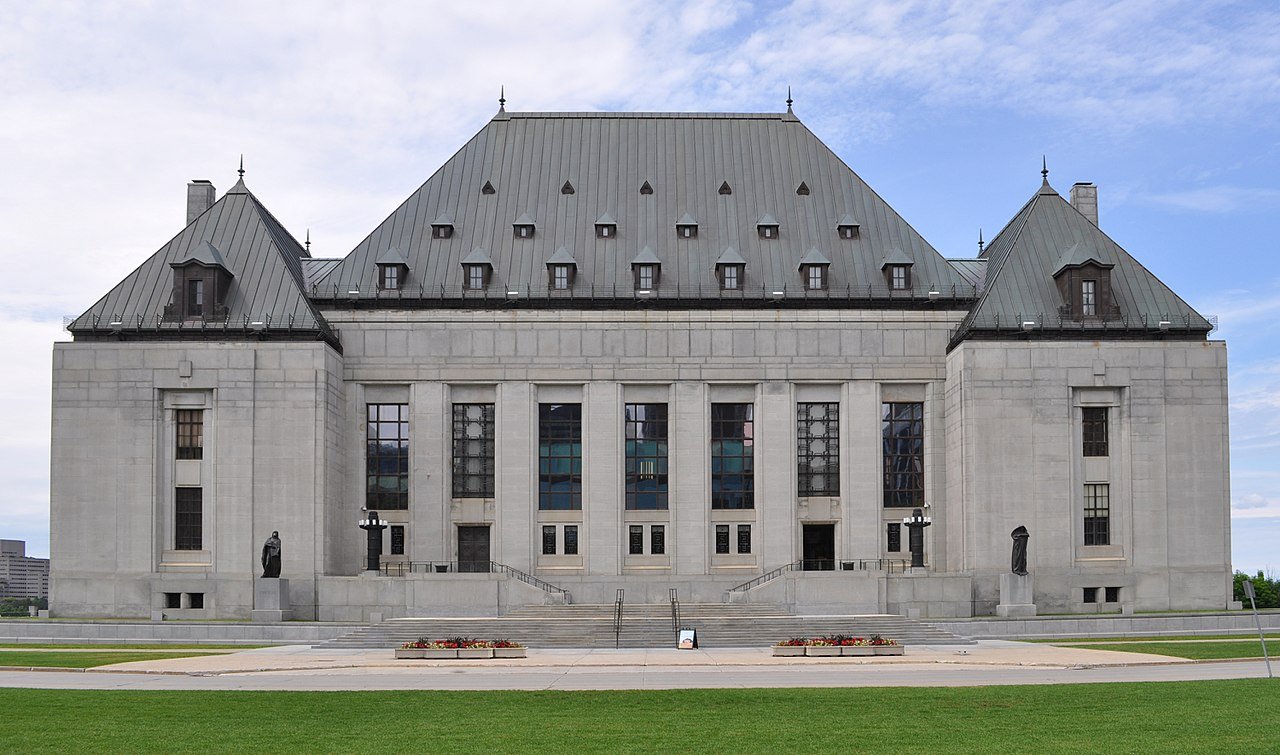
Yet resistance is growing. Teachers like Kaur and Chelbi are challenging Bill 21 in court, with the Supreme Court of Canada scheduled to hear the case on March 23. CBC reports that the case has attracted interventions from five provinces, the federal government, and many civil rights and religious organizations. The outcome will not only affect Bill 21 but also newer laws that use the same constitutional argument: Quebec’s pre-emptive use of the notwithstanding clause to suspend Charter rights. Many outside Quebec see this as a dangerous precedent that could normalize restrictions on religious expression throughout Canada.
Parents who have recently been barred from volunteering are starting to voice their concerns. Qureshi told CBC she refuses to give in to despair and believes this moment calls for action. Khan expressed hope that the government recognizes the harm these laws cause to communities that are also part of Quebec’s social fabric. Their voices, along with those of teachers and civil rights advocates, reflect a growing belief that Quebec’s secularism project has gone beyond state neutrality to regulate religious identity.
The CBC report captures a crucial moment for Canada. Quebec’s shift toward French-style secularism is raising serious questions about the future of religious freedom, the limits of government power, and the rights of minorities to participate fully in public life. As the Supreme Court gets ready to hear the case, the country faces a significant decision: will it accept a model of secularism that excludes religious minorities from everyday civic participation, or will the courts—and public opinion—set a boundary that protects the diversity at the core of Canadian society?

Massimo Introvigne (born June 14, 1955 in Rome) is an Italian sociologist of religions. He is the founder and managing director of the Center for Studies on New Religions (CESNUR), an international network of scholars who study new religious movements. Introvigne is the author of some 70 books and more than 100 articles in the field of sociology of religion. He was the main author of the Enciclopedia delle religioni in Italia (Encyclopedia of Religions in Italy). He is a member of the editorial board for the Interdisciplinary Journal of Research on Religion and of the executive board of University of California Press’ Nova Religio. From January 5 to December 31, 2011, he has served as the “Representative on combating racism, xenophobia and discrimination, with a special focus on discrimination against Christians and members of other religions” of the Organization for Security and Co-operation in Europe (OSCE). From 2012 to 2015 he served as chairperson of the Observatory of Religious Liberty, instituted by the Italian Ministry of Foreign Affairs in order to monitor problems of religious liberty on a worldwide scale.