An effort by the movement led by the Swiss Markus Josef Odermatt, who claims to be Pope Peter III, concluded with the mysterious (but probably accidental) death of a baby girl.
by Massimo Introvigne
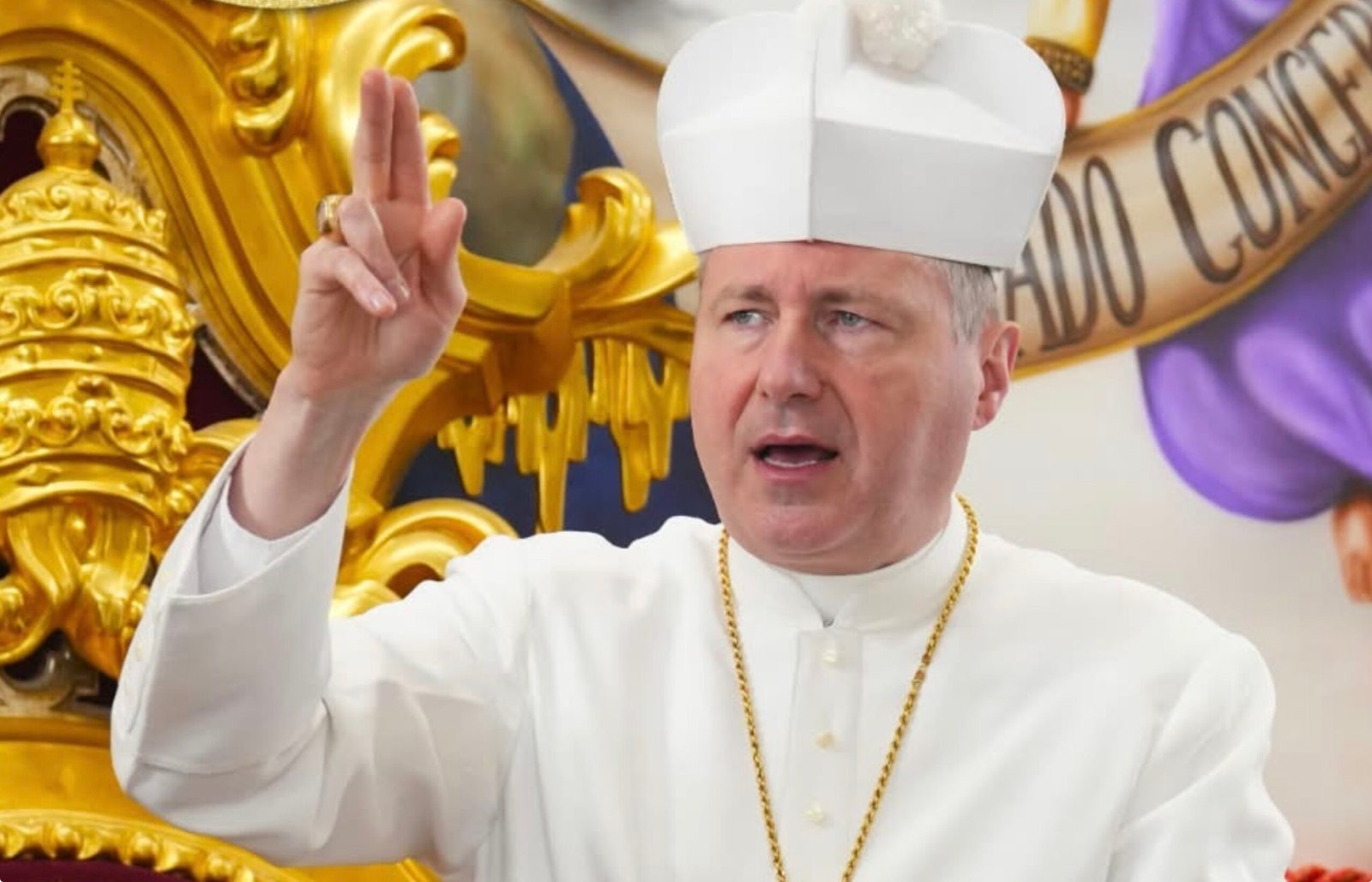
After two months, Spanish police are still investigating an incident that has attracted national attention on a small and controversial schismatic Catholic group.
On October 12, 2025, the Iglesia Cristiana Palmariana—a secluded religious movement headquartered in El Palmar de Troya, near Seville, Spain—held an unprecedented open-door event, allowing outsiders to witness its annual procession and visit its basilica. The occasion, part of a self-declared Jubilee Year paralleling the Roman Catholic one, drew hundreds of visitors from Spain and abroad. Yet the day ended in tragedy: a one-year-old girl was fatally struck by a vehicle inside the church grounds, prompting an ongoing investigation.
Founded in 1968 in the wake of alleged Marian apparitions, the Iglesia Palmariana emerged as a schismatic Catholic movement under the leadership of Clemente Domínguez y Gómez, later self-proclaimed Pope Gregory XVII. The group claims apostolic succession and considers itself the true Catholic Church, rejecting the Vatican and its popes since Paul VI. Known for its strict rules on dress, gender segregation, and liturgy, the Palmarian Church has long maintained a posture of secrecy, with access to its basilica and grounds strictly limited to members.
The October 12 event marked a departure from that tradition. Under the leadership of the current pope, Pedro (Peter) III—a Swiss national, whose civil name is Markus Josef Odermatt—the church opened its gates to the public for the first time in years. Visitors were invited to witness the annual procession of the Santa Faz and the Virgen del Palmar Coronada, two central icons of Palmarian devotion. The event began at 8:00 p.m., with attendees queuing outside the compound, many adhering to the church’s detailed dress code: long skirts and veils for women, buttoned shirts and trousers for men.
Visitors were allowed to photograph and explore the basilica, a structure noted for its ornate interior. The walls and ceilings are covered in vivid frescoes, statues, and religious iconography, including depictions of saints canonized by the Palmarian Church—including Francisco Franco and Queen Isabel of Spain. The basilica features six rows of columns, ten side altars, and a central altar beneath a dome painted with figures revered by the movement.
The procession began at 9:00 p.m., led by girls in white mantillas, followed by nuns, bishops, and the pope himself. The Banda de Nuestra Madre del Palmar Coronada, a group of young musicians trained locally, provided musical accompaniment. The event included traditional Spanish marches and original compositions by Palmarian devotees. The pope performed ritual blessings and led chants in Spanish, while church members recorded the event using modern equipment, including drones and walkie-talkies.
Shortly after the procession concluded around 11:00 p.m., a fatal accident occurred within the church grounds. A one-year-old girl was struck by a van that was reportedly reversing in the area. Emergency services, including traffic units and medical personnel, responded promptly. The child, who had traveled from Germany with her mother—a native of El Palmar de Troya—was pronounced dead at the scene.
The driver of the vehicle, also a German national and a member of the Palmarian Church, tested negative for alcohol and drugs. According to the Guardia Civil, the incident appears accidental, with no evidence of intent. The driver has been placed under provisional liberty pending further investigation. Authorities are now reconstructing the event to determine the precise circumstances, including visibility conditions and the location of the child at the time of the accident.
Government officials, including Pedro Fernández, the Spanish government’s delegate in Andalusia, have described the incident as a “tragic accident.” However, the case remains under judicial review.
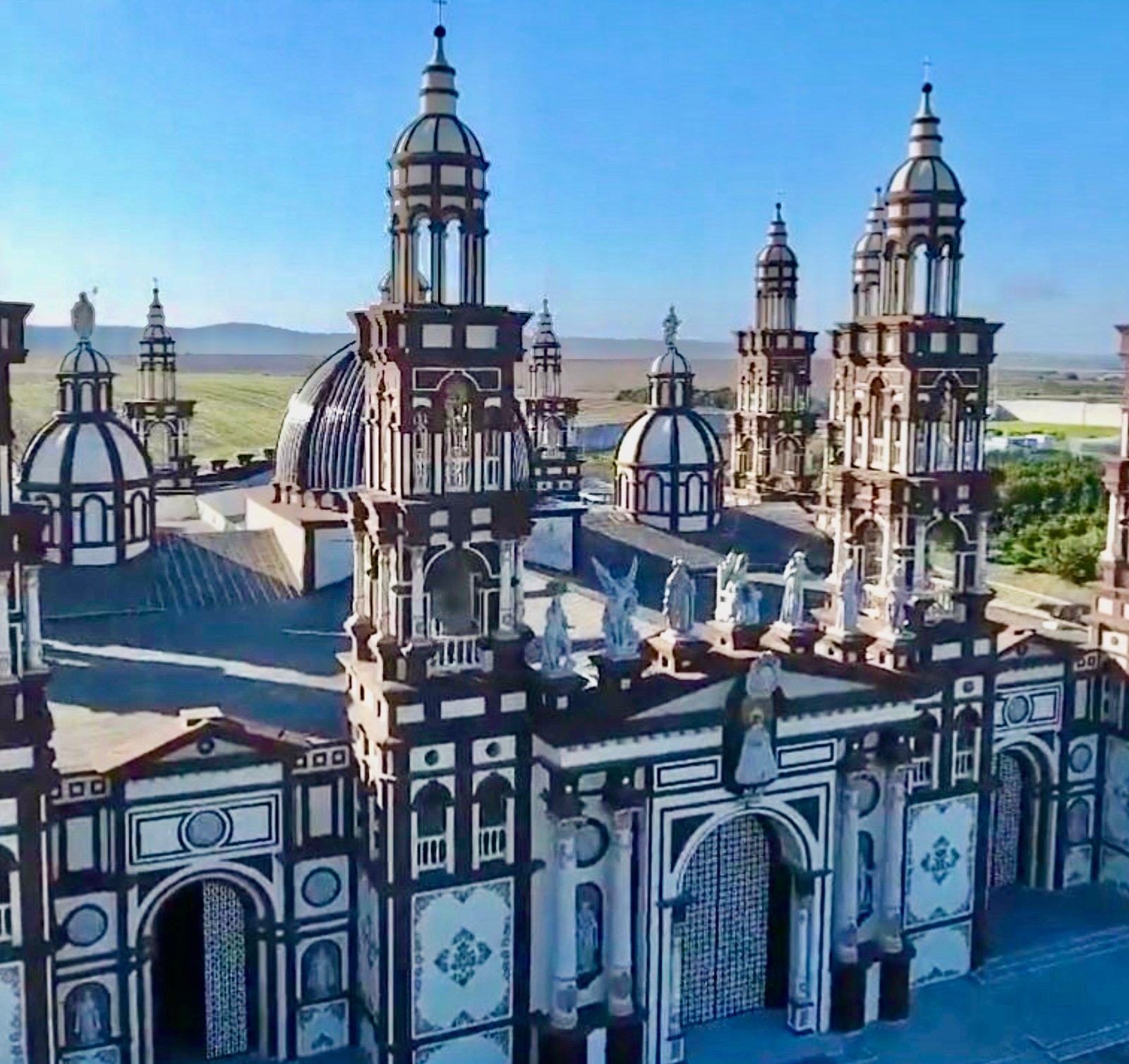
The Iglesia Palmariana has long attracted attention for its insular practices and claims of spiritual authority. At its peak, the movement claimed thousands of followers worldwide, though current estimates suggest a membership between 1,000 and 2,000. Most adherents reside outside Spain, particularly in Central Europe and Latin America.
The church enforces strict behavioral and doctrinal codes. Gender roles are rigidly defined. Women are required to wear veils and long skirts, while men must dress formally. The church canonizes figures outside mainstream Catholic recognition and maintains a unique liturgical calendar and hierarchy.
Despite declining numbers, the Palmarian Church continues to operate independently, with its own papacy, religious orders, and internal governance. While the October 12 event was framed as an evangelization effort, it also served to reaffirm the movement’s identity and traditions.
The tragic death of the child has cast a shadow over what was intended as a celebratory occasion. While the investigation continues, the event has drawn renewed attention to a movement rarely opening its doors. The Iglesia Palmariana was featured in Dan Brown’s not-so-successful novel “Origin” (2017), which greatly exaggerated its importance and ability to influence Spanish politics. More reliable information is available through the scholarly studies of Magnus Lundberg, Jean-François Mayer, and the late PierLuigi Zoccatelli.

Massimo Introvigne (born June 14, 1955 in Rome) is an Italian sociologist of religions. He is the founder and managing director of the Center for Studies on New Religions (CESNUR), an international network of scholars who study new religious movements. Introvigne is the author of some 70 books and more than 100 articles in the field of sociology of religion. He was the main author of the Enciclopedia delle religioni in Italia (Encyclopedia of Religions in Italy). He is a member of the editorial board for the Interdisciplinary Journal of Research on Religion and of the executive board of University of California Press’ Nova Religio. From January 5 to December 31, 2011, he has served as the “Representative on combating racism, xenophobia and discrimination, with a special focus on discrimination against Christians and members of other religions” of the Organization for Security and Co-operation in Europe (OSCE). From 2012 to 2015 he served as chairperson of the Observatory of Religious Liberty, instituted by the Italian Ministry of Foreign Affairs in order to monitor problems of religious liberty on a worldwide scale.