A conference at the UN in Geneva raised concerns about an already serious situation that risks spiraling out of control.
by A. Sahara Alexander
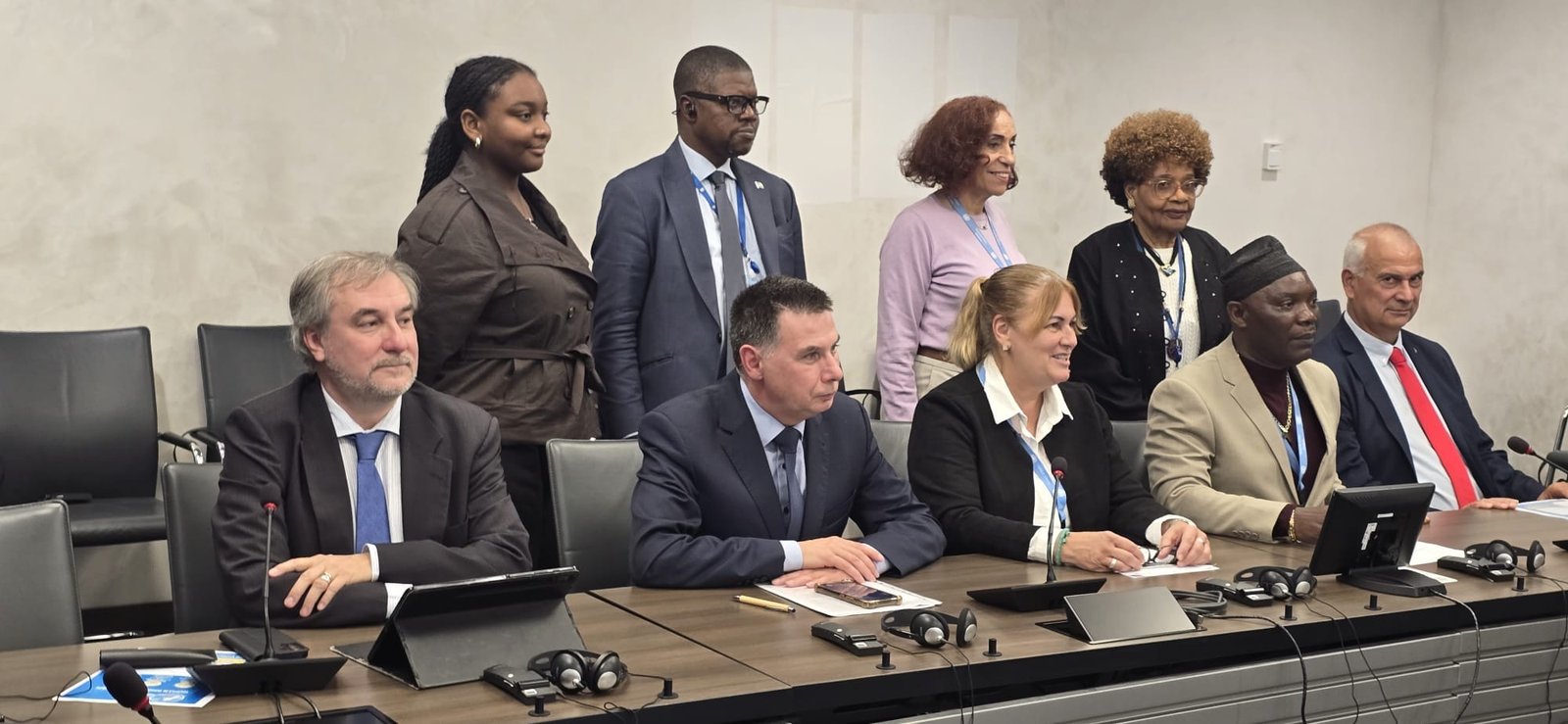
An international conference entitled “Human Rights in Pakistan” was held on October 2, 2026, at the United Nations Office in Geneva, Switzerland, as a side event of the 63rd session of the Human Rights Council (September 7–October 7, 2026). It was hosted by International Support for Human Rights, a Geneva-based NGO, and was attended by NGO staff, academics, journalists, and representatives of UN missions.
The speakers addressed the human rights situation in Pakistan as well as the Pakistani government’s involvement in military operations, mainly in Sudan, which provided support to the Sudanese government in its campaign against the rebel Rapid Support Forces (RSF) and resulted in massive human rights violations in the region.
The debate was moderated by Chongsi Ayeah Joseph, executive director of the Centre for Human Rights and Peace Advocacy (CHRAPA), based in Bamenda, Cameroon. Arielle Vesin, President of International Support for Human Rights, opened the debate. She was followed by Siegfried O. Wolf, a German scholar and Director of Research at the South Asia Democratic Forum in Brussels, Belgium, who discussed the threat posed by Pakistan’s militarization and its impact on international peace and security, especially with regard to Sudan.
Pakistan’s military diplomacy, he explained, serves as a key instrument of power projection in its foreign policy, extending well beyond defense industry exports. Its strategic engagements, centered on military training and arms exports, aim to counterbalance India’s influence through a three-pronged strategy: Delay, Distract, and Discredit. However, Pakistan’s military assistance operates largely outside civilian control and is influenced by external partners, which reveals a civil-military imbalance.
The relationship with Sudan illustrates both the potential and the limits of this approach, as historical ties and defense agreements reflect challenges shared by both nations in military governance and political instability. A recent example of the destabilizing nature of Pakistani defense exports was the transfer of armored personnel carriers (APCs) to the Sudanese Armed Forces, even though Pakistan’s alleged arms deal with the country had been announced as terminated earlier in 2026. Sudan’s government is engaged in a brutal civil war in which all major warring parties are likely committing war crimes. It is under United States sanctions, and recent media reports indicate that it has developed and possibly used chemical weapons.
In his presentation, former Member of the European Parliament Paulo Casaca, from Portugal, criticized the European Union’s GSP+ trade policy toward Pakistan, arguing that it has failed to promote human rights over twelve years. He argued that the economic effects of the EU’s preferential trade arrangements put competing countries at a disadvantage while benefiting Pakistan significantly. He stressed the need for a political understanding of human rights issues tailored to Pakistan’s specific context, namely military rule, religious fanaticism, and the influence of terrorism on policy. He mentioned the militarization of Port Sudan, which supports the Islamist agenda in the region, violates human rights, and threatens peace and security in the Red Sea and in Europe. Finally, he called for a reassessment of the EU’s approach, suggesting a return to earlier trade thresholds to better address Pakistan’s complex challenges.
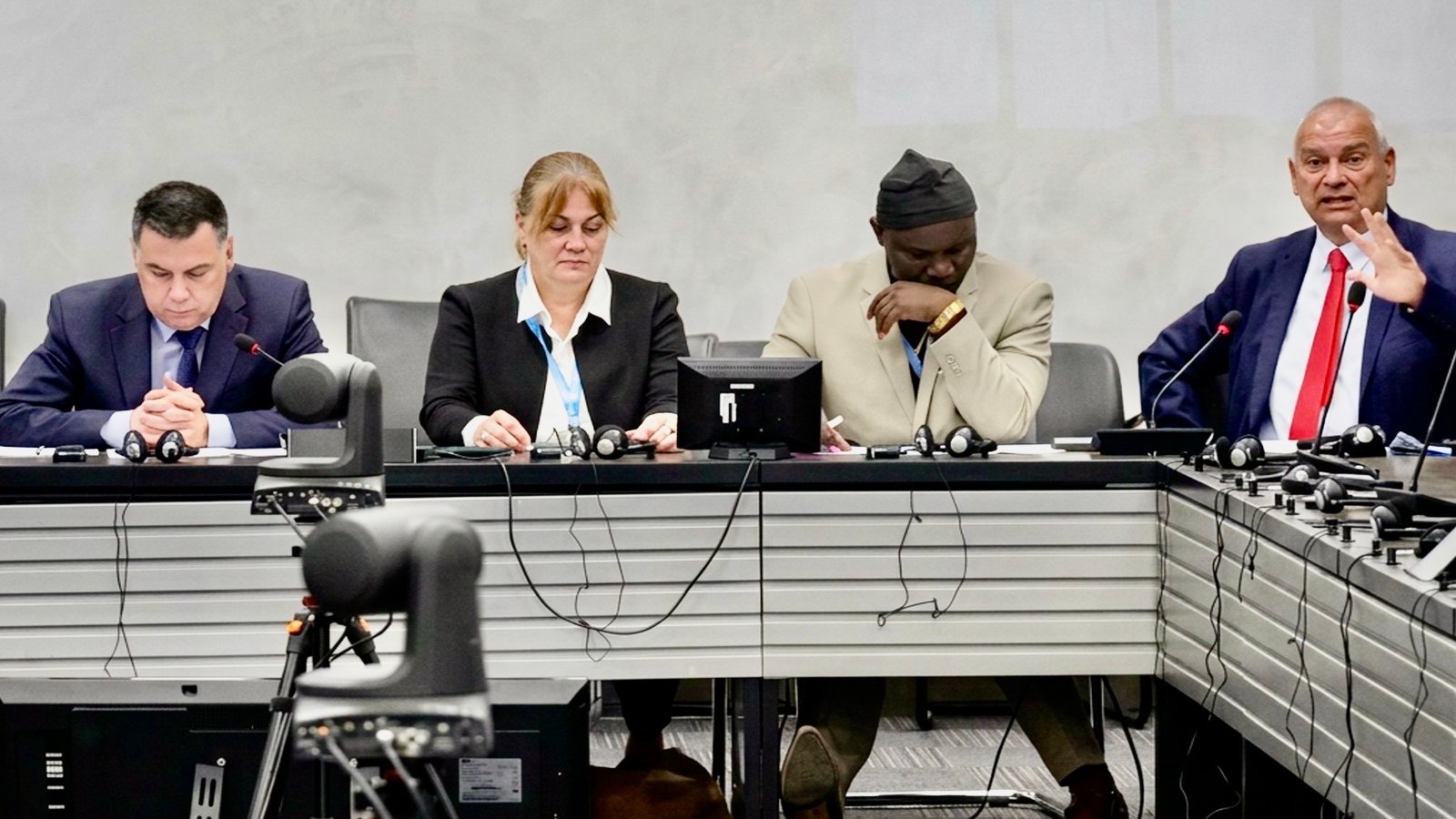
In his speech, Marco Respinti, an Italian journalist and Director-in-Charge of “Bitter Winter,” discussed religious liberty in Pakistan, focusing on the constitutional and practical limitations faced by religious minorities, notably the Ahmadis, but also Christians and Hindus. Although Article 20 of the Constitution guarantees religious freedom, that freedom is subject to public order, and Islam is the state religion. The Second Amendment and Ordinance XX classify Ahmadis as non-Muslims, excluding them from political rights and increasing their vulnerability to discrimination. Respinti described the blasphemy laws as tools of persecution that disproportionately affect Christians, Hindus, and Ahmadis. In 2024, at least 344 people were accused of blasphemy, revealing a systemic problem in which even mainstream Muslims face arbitrary charges. This points to a troubling normalization of severe penalties as a way of settling theological disputes in Pakistan.
It is important to note the contradictory policy of the Pakistani government. On the one hand, it supports Sudan’s sovereignty, unity, and territorial integrity at the UN Security Council, emphasizing that there is no military solution to the ongoing civil war. On the other, it has concluded a $1.5 billion military deal to supply weapons and jets to the Sudanese Armed Forces. Although this transaction was announced as canceled earlier in the year, videos showing Pakistani APCs in Khartoum raise serious questions about the reality on the ground.

Uses a pseudonym for security reasons.