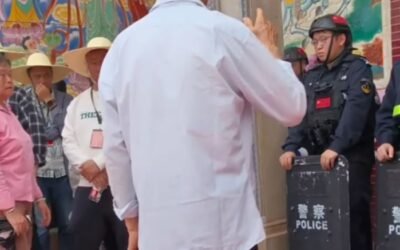
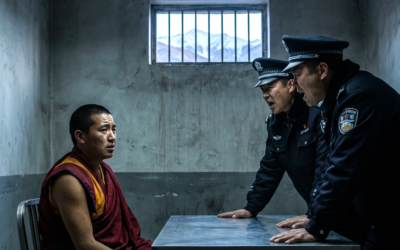
Adil Semeykhanuly has reportedly been sentenced to six-and-a-half years for his “negative interpretation” of Kazakh poet Abai Kunanbaev.
by Serikzhan Bilash and Tilek Niyazbek
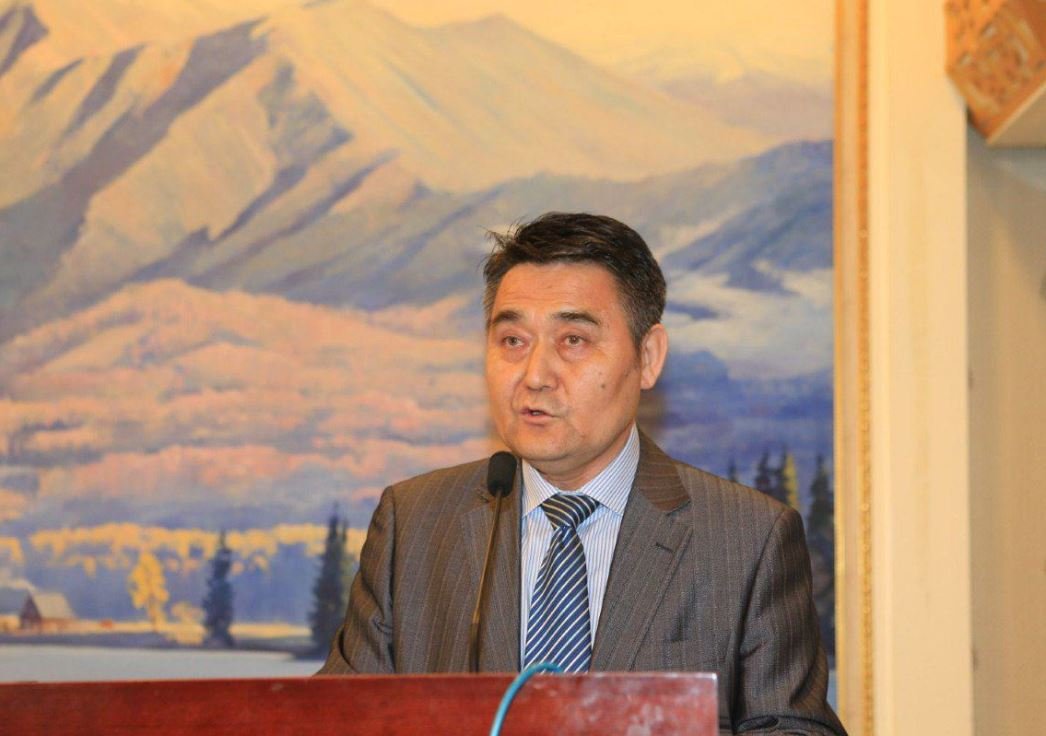
A respected Kazakh language editor and cultural researcher, Adil Semeykhanuly, has reportedly been sentenced to six and a half years in prison in China’s Xinjiang region after more than a year of detention and house arrest, according to Kazakh language media and colleagues familiar with the case.
Colleagues say Adil Semeykhanuly received a 6½-year prison sentence over allegations of a “negative interpretation” of the teachings of the Kazakh poet Abai Kunanbaev (1845–1904). Semeykhanuly, a long-time editor at the “Шынжаң” (Shynzhan) newspaper and a recognised scholar of Abai, was first detained in January 2024. Sources say he spent seven to eight months in custody before being placed under house arrest due to insufficient evidence, according to relatives.
On 20 August 2025, he was reportedly sentenced on charges that he “negatively propagated the teachings of Abai” and “formed a separate public opinion,” accusations observers describe as politically broad and vague.
Kazakh outlets report that four other Kazakh intellectuals working in the same media environment were also arrested and later sentenced:
Tegis Zäybekuly — Deputy Editor of the Kazakh Editorial Department; arrested in October 2024. His sentence remains unknown.
Murat Ybyraiuly — Translator–Reporter; arrested in August 2023, charges not publicly disclosed; sentenced to 5.5 years.
Oñalğan Múlikuly — Translator–Reporter; arrested in January 2023; sentenced in 2024 to 7 years.
Janibek Jaudatuly — Translator; arrested in January 2023; sentenced in 2024 to 7.5 years.
Colleagues describe the series of arrests as part of an intensifying crackdown on Kazakh language publishing, translation work, and cultural expression in Xinjiang.
Semeykhanuly’s participation in a 2005 Chinese delegation to Kazakhstan for the 160th anniversary of Abai in Semey was reportedly cited as one of the incidents that Chinese authorities scrutinized. He was widely regarded as a mentor to young journalists and a prolific contributor of cultural essays.
A survey of Chinese public court databases, government bulletins, and legal notices found no official records confirming the arrests or sentences of Semeykhanuly or the four other intellectuals. The absence of public documentation is common in politically sensitive cases in Xinjiang, where legal processes remain opaque. The news has, however, been confirmed by Kazakh sources.
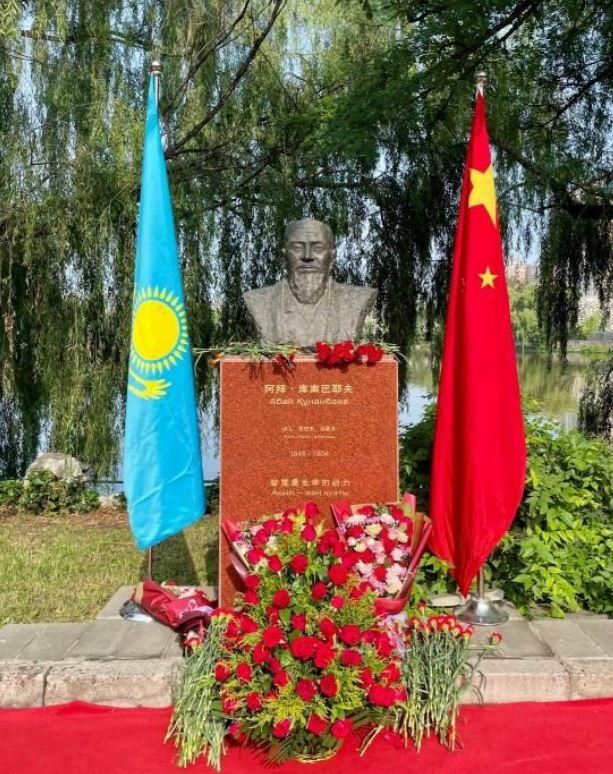
The case also stands in contrast to cultural diplomacy between the two nations: China maintains an Abai monument in Beijing, and state media frequently describe the poet as a “bridge of friendship.” Kazakhstan hosts at least five Confucius Institutes established in partnership with Chinese universities. These public gestures of mutual cultural respect sit uneasily alongside the sentencing of an Abai scholar over an alleged “negative interpretation” of the poet’s teachings.
Human rights organizations continue to report systemic pressure on Uyghur, Kazakh, and other Turkic intellectuals, including charges related to ideology, cultural activity, or perceived separatism. Families often report limited access to information and fear repercussions for speaking publicly.
As of publication, Chinese authorities have not acknowledged the reported arrests or sentences. Requests for comment were sent to Xinjiang regional authorities and the Chinese Embassy in Kazakhstan.

Serikzhan Bilash is a leading human rights activist in Kazakhstan. He was repeatedly harassed and persecuted for his campaigns exposing the horrific condition of ethnic Kazakhs and others detained in Xinjiang’s transformation through education camps.