A unique exhibition tells the story of Lithuanian anti-Soviet partisans through their boots and shoes.
by Massimo Introvigne
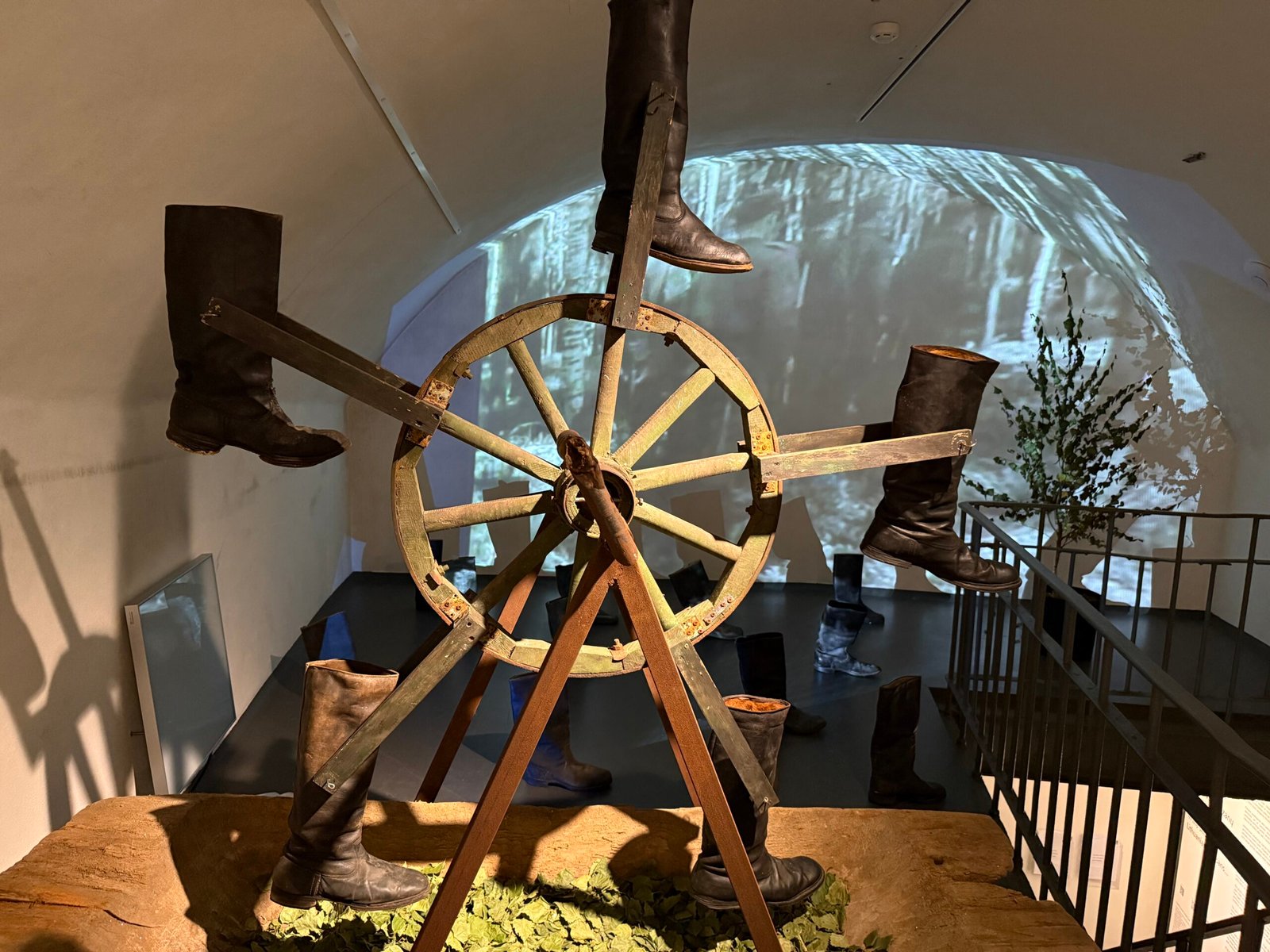
In the corridors of Kaunas’ Ninth Fort Museum, a hauntingly elegant exhibition unfolds—one that speaks not through grand canvases or gilded frames, but through worn leather, cracked soles, and the quiet dignity of shoes. “In the Shoes of Lithuanian Partisans” (until February 1, 2026) is a peculiar homage to footwear and a tactile archive of defiance, ingenuity, and sacrifice. Each pair on display becomes a cipher, a vessel of memory from the largest and most significant anti-Communist resistance movement in post-war Europe.
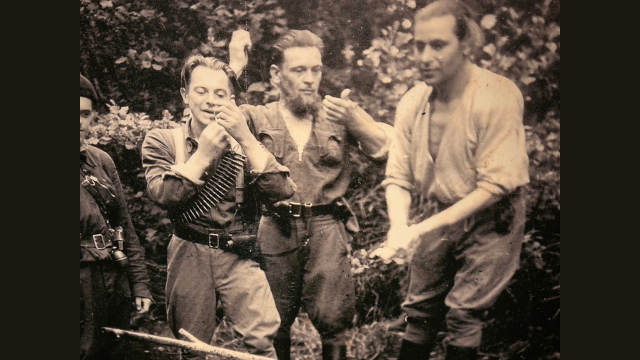
Between 1944 and 1953, Lithuania’s forests became the stage for a guerrilla war waged by partisans against Soviet occupation. These fighters—often dismissed by Soviet and now Russian propaganda as “former Nazis”—were, in truth, a mosaic of teachers, farmers, students, and devout Catholics, many of whom had opposed Nazism before turning their sights on Stalin’s regime. There were a few former Nazi collaborators, but they never defined the movement. The exhibition refuses to flatten their complexity. Instead, it invites us to walk beside them, quite literally, in their shoes.
The curatorial choice to center the narrative around footwear is poetic and piercing. Here are boots with soles carved to mimic animal tracks—ingenious camouflage to mislead Soviet patrols.

There, a pair of delicate dancing shoes, worn not in ballrooms but at covert “pancake parties,” faux engagement gatherings where partisans and their female informants exchanged intelligence under the guise of celebration.

The irony is devastating: shoes designed for joy became instruments of war. Some of these women, betrayed by whispers or surveillance, were later executed. Their shoes remain, mute witnesses to their final steps.
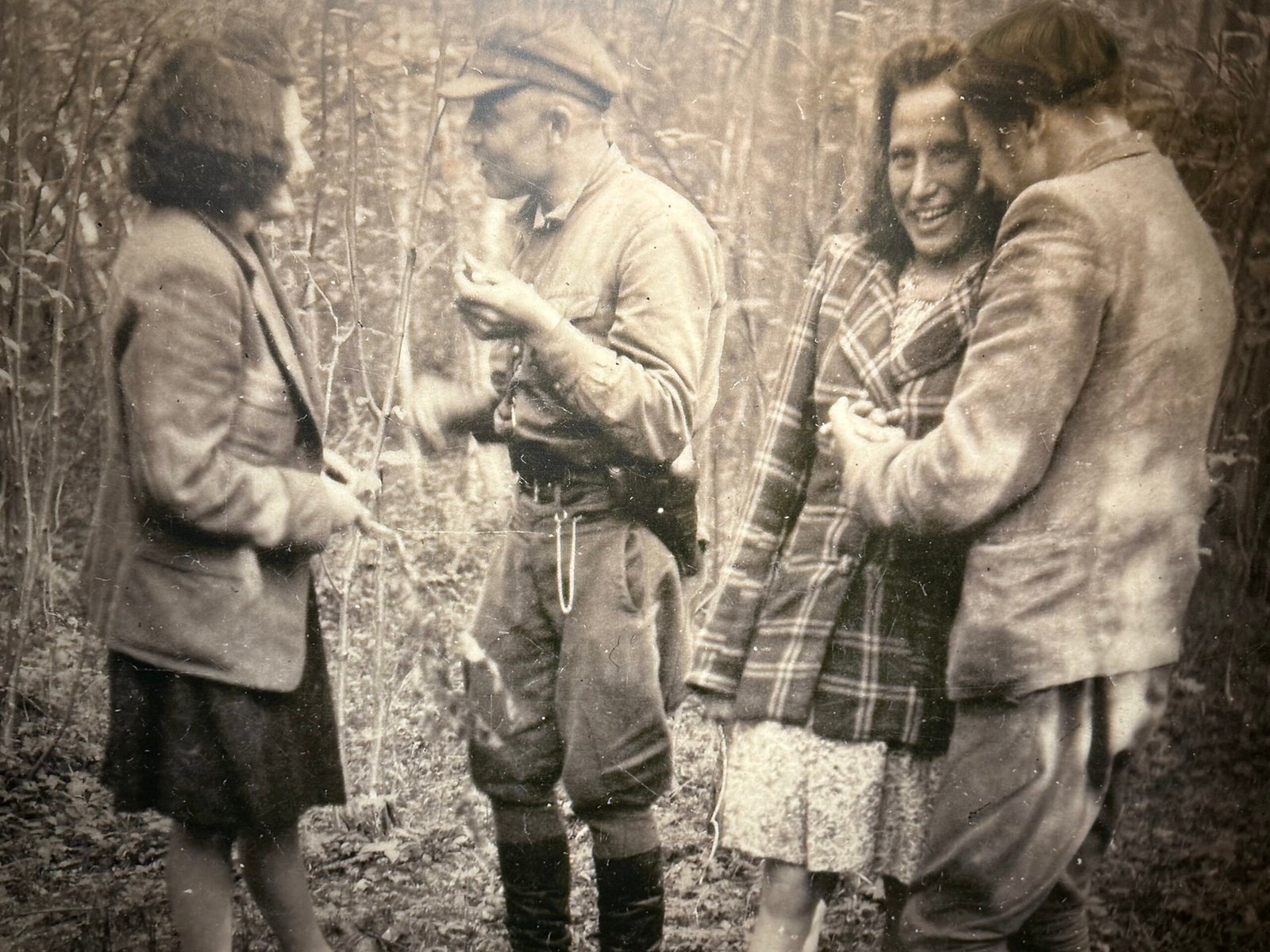
What elevates this exhibition beyond historical documentation is its refusal to sanitize. The shoes are not polished relics; they are scuffed, stitched, and sometimes bloodied or cut by partisans about to be captured and executed so that the Soviets might not reuse them. They speak of marches through snow, hiding in barns, and last-minute escapes. One informant girl’s small dancing shoes remind us that this was not a war fought only by soldiers, but by families, communities, and a nation unwilling to surrender its soul.
The museum’s setting—Ninth Fort itself—is no passive backdrop. Once a site of Nazi executions and later Soviet imprisonment, then propaganda, its walls echo with layered trauma. To place the partisans’ shoes here is to reclaim the space, to overwrite terror with testimony. It’s a curatorial act of resistance in its own right.
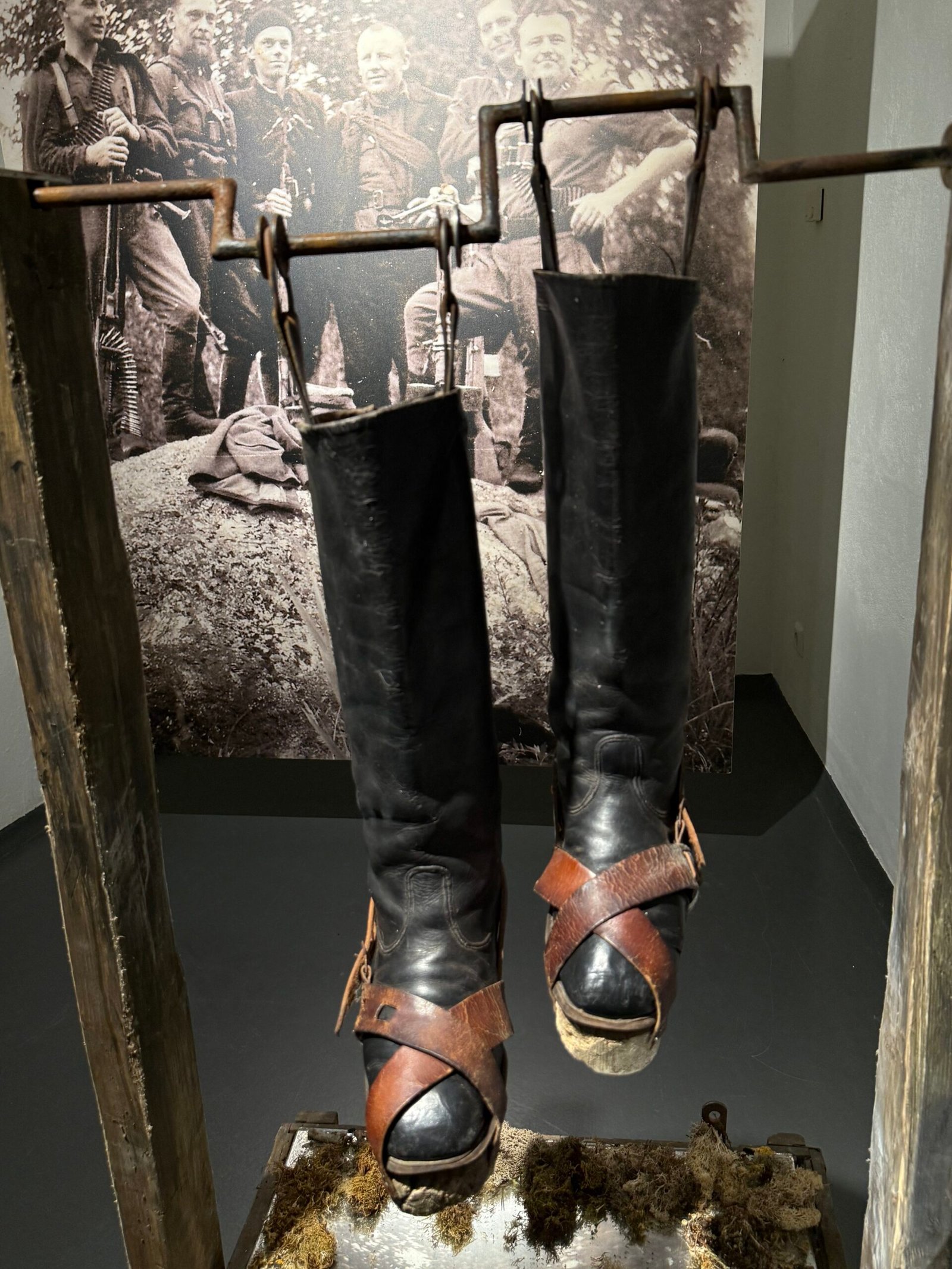
For those accustomed to the curated elegance of fashion shoe shows, this exhibition offers a different kind of style—one forged in necessity, courage, and the brutal choreography of survival. It is a reminder that fashion, at its most elemental, is political, that shoes are not just accessories but artifacts, and that every heel, every lace, and every worn-down toe box can carry the weight of history.
“In the Shoes of Lithuanian Partisans” is more than a walk down memory lane. It is a march through contested terrain, a solemn procession of lives in resistance. It demands that we look down—not in shame but in reverence. Sometimes, the path to freedom is best understood from the ground up.
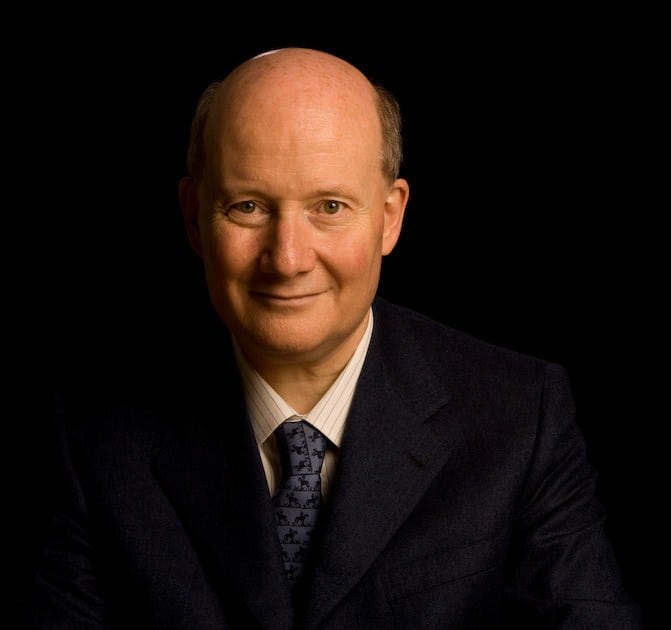
Massimo Introvigne (born June 14, 1955 in Rome) is an Italian sociologist of religions. He is the founder and managing director of the Center for Studies on New Religions (CESNUR), an international network of scholars who study new religious movements. Introvigne is the author of some 70 books and more than 100 articles in the field of sociology of religion. He was the main author of the Enciclopedia delle religioni in Italia (Encyclopedia of Religions in Italy). He is a member of the editorial board for the Interdisciplinary Journal of Research on Religion and of the executive board of University of Pennsylvania Press’ Nova Religio. From January 5 to December 31, 2011, he has served as the “Representative on combating racism, xenophobia and discrimination, with a special focus on discrimination against Christians and members of other religions” of the Organization for Security and Co-operation in Europe (OSCE). From 2012 to 2015 he served as chairperson of the Observatory of Religious Liberty, instituted by the Italian Ministry of Foreign Affairs in order to monitor problems of religious liberty on a worldwide scale.