Lawyers for Zion Church face suspensions, threats, and pressure to renounce both their cases and their faith.
by Qi Junzao
The campaign by Chinese authorities against independent Christianity has reached a new level. The state now targets not just pastors and congregations but also those who defend them. Lawyers representing persecuted Christians, especially those linked to Beijing’s Zion Church, are facing the same intimidation, surveillance, and coercion their clients have long endured. In cases involving religion, even defending the law is seen as a subversive act.
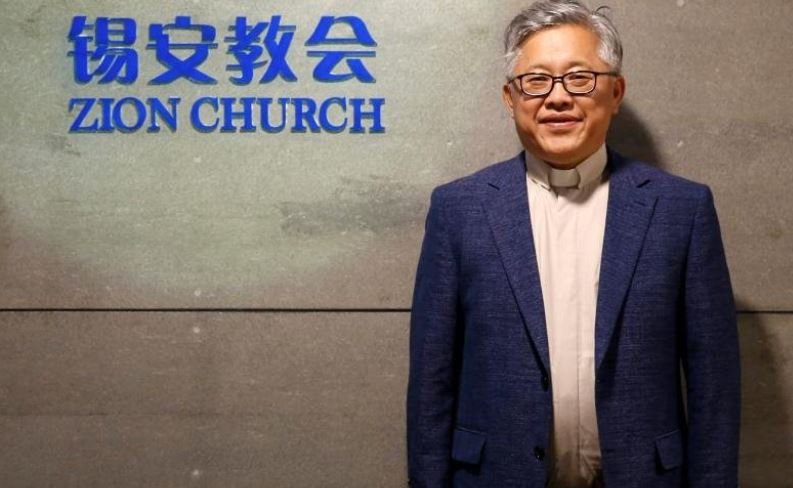
Zion Church, one of the most influential unregistered Protestant communities in Beijing, has faced pressure for years. Its founder, Pastor Ezra Jin, stood out in the house church movement by refusing to submit to the state-run Three Self Patriotic Movement. His sermons gained wide online circulation, earning him admiration from believers and hostility from authorities. Last year, dozens of church members were arrested in what many observers called one of the most significant crackdowns on Christians in recent years. Pastor Jin was among those detained.
Since then, the authorities have shifted their focus to the lawyers who have defended these detainees. Several attorneys have been called in repeatedly for “a tea” or “talks,” which is a euphemism for off-the-record interrogations where threats occur without documentation. Some twenty of them have suffered consequences for their defense of Christians.
One prominent lawyer, Zhang Kai, has already had his license revoked. Six have faced suspension for months, conveniently preventing them from representing their clients during critical phases of the legal process. Some have received warnings that continuing to work on the Zion Church case will have “serious consequences,” a phrase that in China could mean anything from losing their profession to facing criminal charges.
The pressure extends beyond administrative actions. Lawyers report being followed, questioned, and threatened. Some have been explicitly told to withdraw from cases or risk ending their careers. In some cases, the intimidation has affected their families. Officials have visited lawyers’ homes to scare their spouses and children. Others have traveled to lawyers’ hometowns to pressure elderly parents or siblings, using family ties to force compliance. These tactics are familiar to anyone who has observed the repression of human rights lawyers in China, but they are increasingly being applied to attorneys defending Christians.
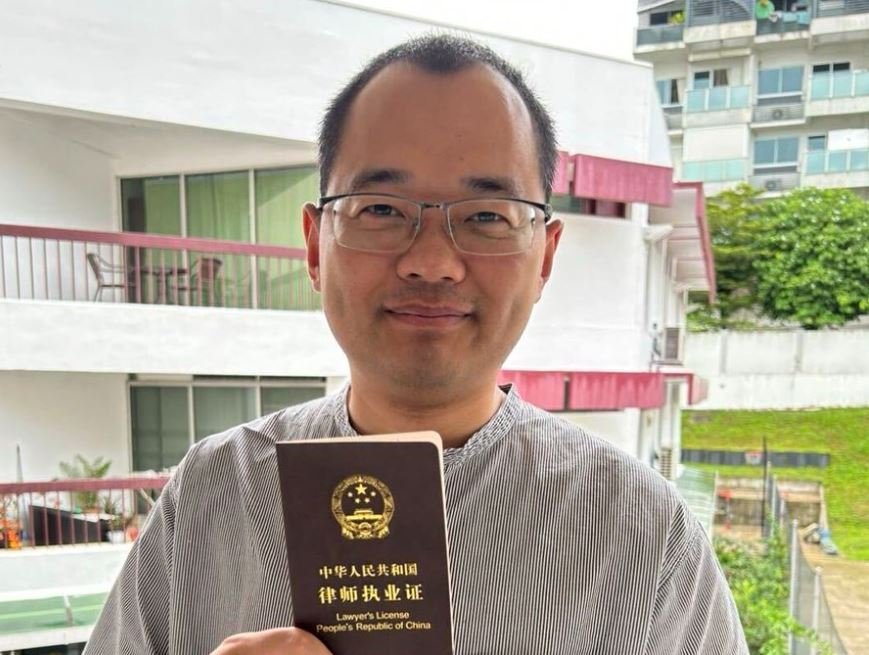
One of the targeted lawyers, Li Xiaoming, provided striking testimony in a letter sent to fellow believers and human rights organizations on March 20. He stated that the Beijing Chaoyang District Justice Bureau has been “forcing me to cancel my lawyer’s license voluntarily,” and that his law firm, under immense pressure, has already presented him with a termination agreement. Li, who is a Christian, views the persecution through his faith: “Because I believe in the Son of God, I am willing to suffer persecution. This is a grace given to me, and I receive it with joy.” However, he cannot accept the methods used against him. “I cannot tolerate the Justice Bureau trampling on the Constitution and persecuting religious freedom,” he wrote. “I cannot accept their secret police tactics, hiding in the shadows and threatening me through tea drinking sessions.” He urges the authorities to be open instead of using intimidation: “I hope they will issue formal documents and deal with me in the light, not through hidden, under-the-table methods.”
Li’s letter stands out for its clarity about what is at stake. “This is not just my personal tragedy,” he wrote. “This is the reality of citizens in a country where secret police can coerce anyone at will. No one living in such a state can have true dignity or freedom of conscience.” His words capture the essence of the current campaign: no one who defends religious freedom is safe from the state’s reach.
What is even more troubling is that the harassment is often worse for lawyers who are Christians. The authorities consider a lawyer who shares the defendants’ faith suspicious, as if religious belief conflicts with professional integrity. Christian lawyers are treated not as trusted officers of the court but as potential accomplices in what the state terms “illegal religious activities.” Their faith provides an excuse to strip them of their licenses, question their motivations, and present them as threats to “social stability.” In truth, their only crime is believing that all citizens, including believers, have the right to legal representation.
The Zion Church case is simply the latest in a wider trend. Over the last decade, lawyers defending Falun Gong practitioners, Uyghur Muslims, Tibetan Buddhists, and members of new religious movements have faced similar reprisals. The state’s strategy remains consistent: by intimidating lawyers, it prevents religious minorities from accessing justice. Punishing Christian lawyers more severely reinforces the idea that religious identity itself is a threat. And by pressuring families, it makes clear that no one is safe.
Despite the risks, some lawyers refuse to back down. They assert that the law should apply to everyone, that supporting the rights of believers does not equal subversion, and that justice cannot exist where lawyers are silenced. Their determination is remarkable, especially in a system where the distinction between administrative penalties and criminal charges is blurred and easily crossed. They understand that their licenses, livelihoods, and families may be in jeopardy. Still, they continue their work.
Li Xiaoming concludes his letter with a plea that resonates both spiritually and politically: “Please pray for me. May God shine light into the darkness.” His words reflect the experience of countless believers and defenders of conscience in China. They also remind us that persecution thrives in secrecy, and that bringing it to light is the first step toward resisting it.

Uses a pseudonym for security reasons.