Aesthetics liberally borrows from Asian manga (including some banned in China) and suggests you should trust science rather than religion.


Aesthetics liberally borrows from Asian manga (including some banned in China) and suggests you should trust science rather than religion.

The 2022 report offers a useful summary of the CCP persecution of all religions (quoting Bitter Winter on several issues).
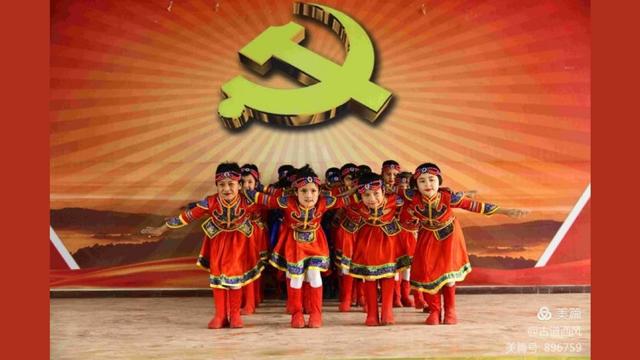
Official denials fly in the face of social media proof to the contrary from the Communist Party faithful.

International media have emphasized restrictions on controversial celebrities and fraud. But the regulation also deals with the ideological content of the endorsements.

The new British Prime Minister has promised to disband the country’s Confucius Institutes, a tool of Beijing’s propaganda.

Two confidential internal documents reveal how Beijing plans to control the reincarnation of the 14th Dalai Lama.

Some believed the CCP had abandoned its idea of stealing from Tibetans even their country’s name. This was not true.
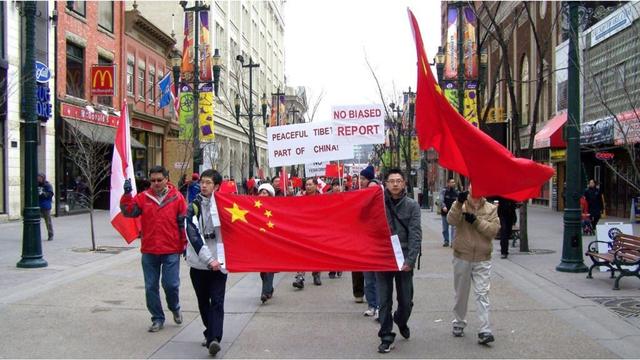
A new report analyzes 30 major countries of the world, concluding that, under Xi Jinping, the campaign to influence the media is constantly accelerating with devastating effects.

Chinese diplomats have broken all rules of diplomacy. For how long should we tolerate this outrageous behavior?

United Nations finally admits crimes against humanity are taking place against Uyghur and other Turkic minorities.