Laws should always embody justice, or justice becomes what laws arbitrarily decide it to be. As the Tai Ji Men case shows all too well after 29 years, not all laws are just.
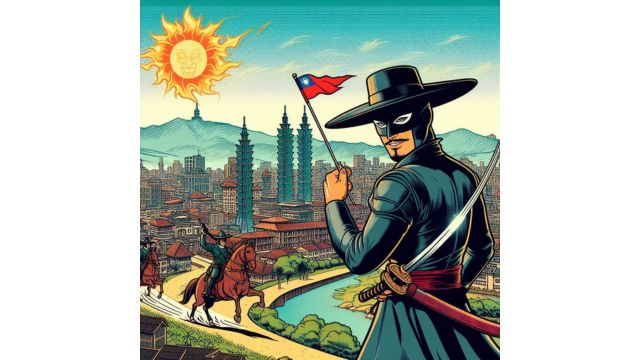

Laws should always embody justice, or justice becomes what laws arbitrarily decide it to be. As the Tai Ji Men case shows all too well after 29 years, not all laws are just.

The Rule of Law and Justice Undermined by Conflicts of Interests in the Tai Ji Men Case

Scholars and human rights activists examined the central features of the case in an important day for Taiwan.

Colonialism and discrimination of spiritual minorities are based on similar prejudices, as the history of the Tai Ji Men case demonstrates.

Truly independent judges would rule on the basis of the law only, not political pressures, media, or “public opinion.” They would have solved the Tai Ji Men case long ago.

Decisions against Tai Ji Men suggest that distortions of administrative justice studied by international scholars are at work in Taiwan too.

International scholars and Tai Ji Men dizi celebrated Human Rights Day by reflecting on “human wrongs” in Taiwan and internationally.

As the Tai Ji Men case demonstrates, when states claim absolute power, injustice follows.

August 22 is the International Day Commemorating the Victims of Acts of Violence Based on Religion or Belief. Why a new International Day Against Judicial Persecution by State Power is needed.

Transitional justice is mandatory for democratic states, implies a full acknowledgement and rectification of past abuses, and requires the cooperation of civil society.