The practice of kidnapping, confining, and “de-converting” members of “cults” has been banned in all democratic countries—except Korea, where some victims died.
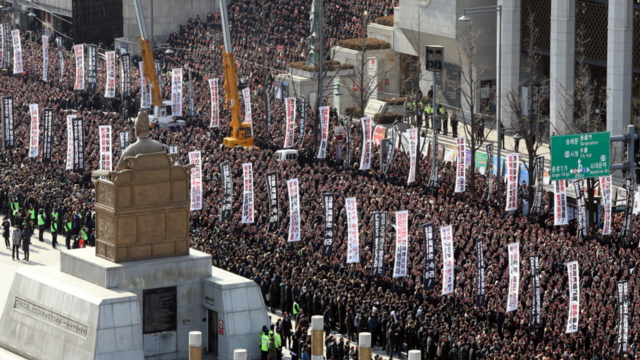

The practice of kidnapping, confining, and “de-converting” members of “cults” has been banned in all democratic countries—except Korea, where some victims died.

The opposition to “cults” in the country is mostly a fundamentalist Protestant affair focused on preventing “sheep stealing” and competition.

Churches raided, internationally famous religious leaders mistreated, and religion-based political mobilizations prohibited. What exactly is happening in South Korea?

“Cult” opponents in Japan started networking with China and the American and European anti-cult movement well before the assassination of Shinzo Abe.

August 14 was the 160th anniversary of the birth of the famous anarchist, who lived his political beliefs as if they were a religion.
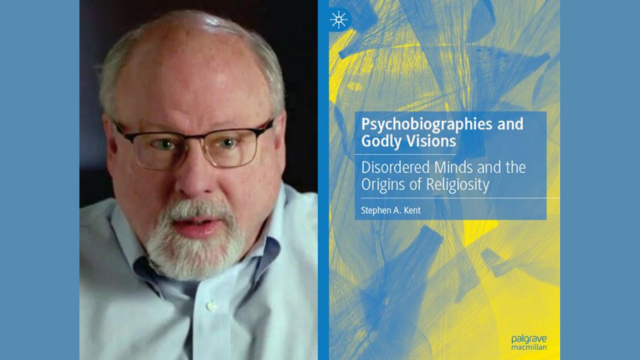
“Psychobiographies and Godly Vision” argues that Paul the Apostle, Muhammad, and most founders of religions were no less mentally disturbed than “cult” leaders.

The European anti-cult federation might have excluded its Russian branch, but Russian anti-cultists and their Serbian allies, who are still involved, are like two peas in a pod.
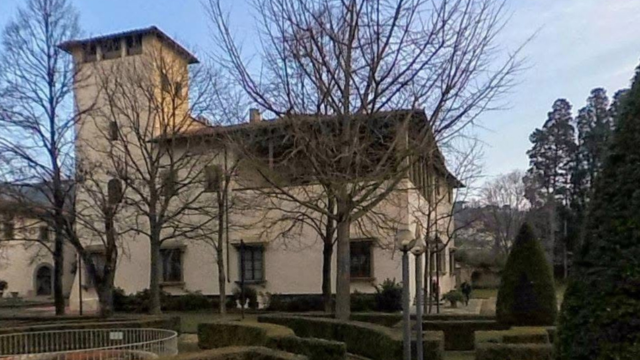
The decision by the Court of Florence, which found an anti-cult organization guilty of defaming Soka Gakkai, is historically significant.

The leader of the religious movement has been convicted of sexual abuse. However, Netflix also targets innocent, ordinary members, exposing them to discrimination.
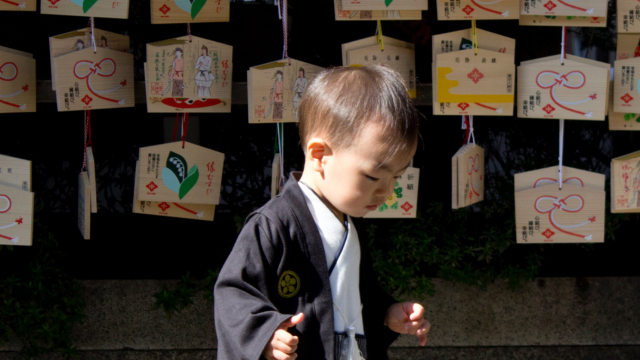
The Japan Federation of Bar Associations wants to create a Japanese clone of the notorious French governmental anti-cult agency.