Some scholars have claimed that “Theosophy was Gauguin’s world view.” Not all agree, as Swedenborg and the Spiritualist comparativist Gerald Massey were equally important influences.

Gauguin, Theosophy, and Comparative Religion
read more

Some scholars have claimed that “Theosophy was Gauguin’s world view.” Not all agree, as Swedenborg and the Spiritualist comparativist Gerald Massey were equally important influences.

The little-known role of Japan’s Communist Party in preparing the controversial decision of the Tokyo District Court.
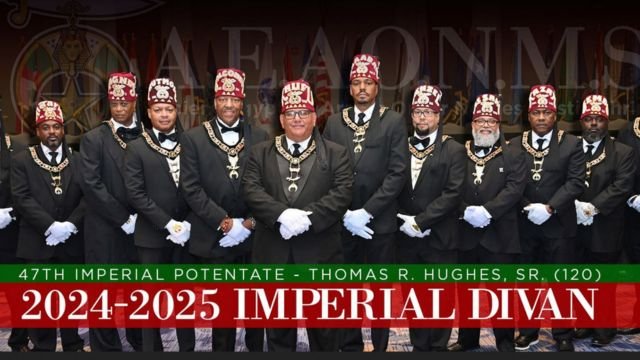
African Americans had to struggle to have their own independent Shrine. Some took the Arabic references so seriously that they converted to Islam.
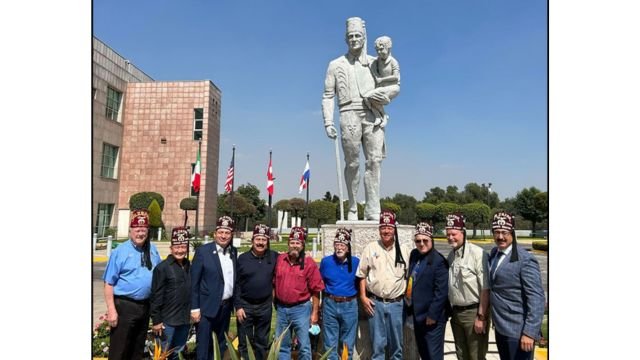
During its long history, the Shrine met with problems and scandals but became also extremely popular for his philanthropic activities.
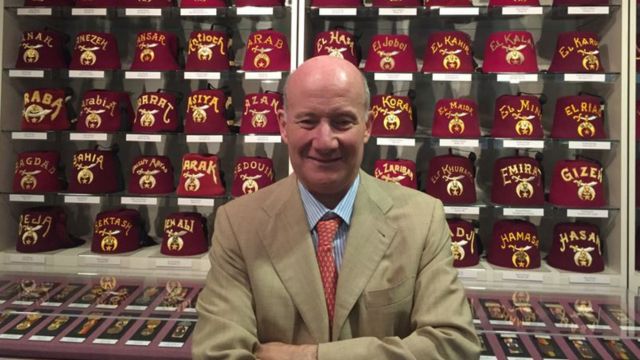
Supplementing “Bitter Winter” series on Freemasonry, a look at an organization about which little is known outside the United States,
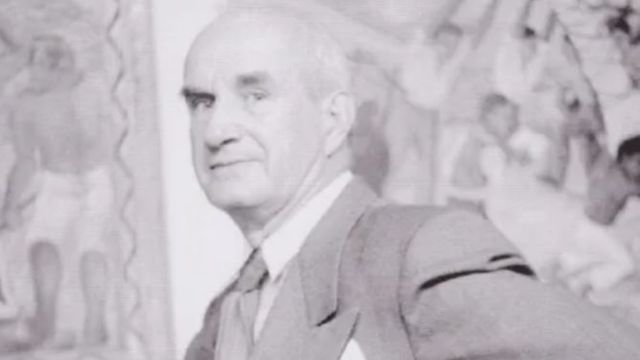
The Hungarian-born American painter was an important figure in several esoteric societies, and produced works that he believed were “portals” to enter the New Age.
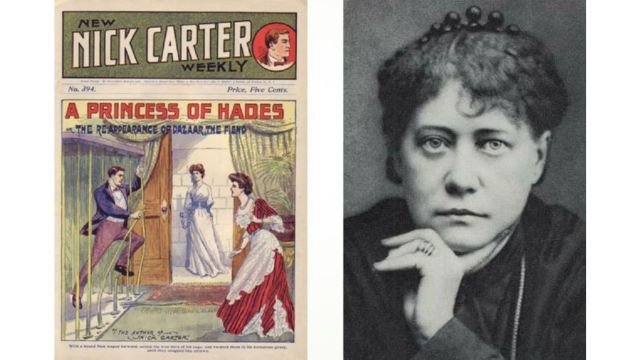
Before the comics, there were the dime novels of the Belle Époque. Rosicrucians, Theosophists, and occultists were among their most memorable characters.
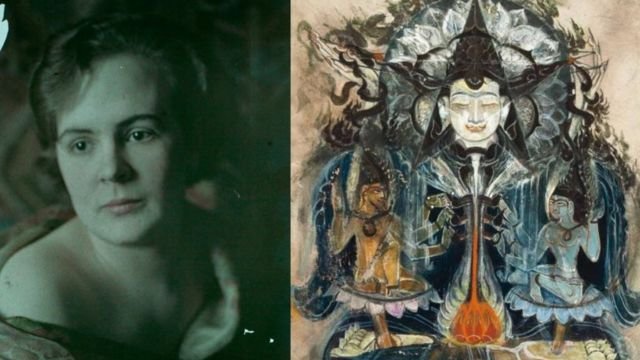
Her membership in the Theosophical Society is crucial to understand the artist’s themes and idiosyncratic style.
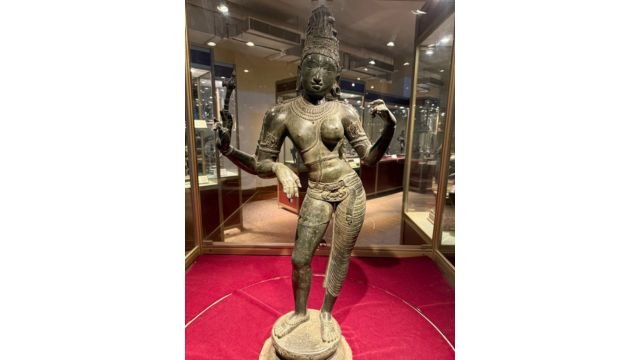
An exquisite 11th-century sculpture in the Chennai Bronze Gallery epitomizes the universal aspiration to the restoration of an original androgynous status.
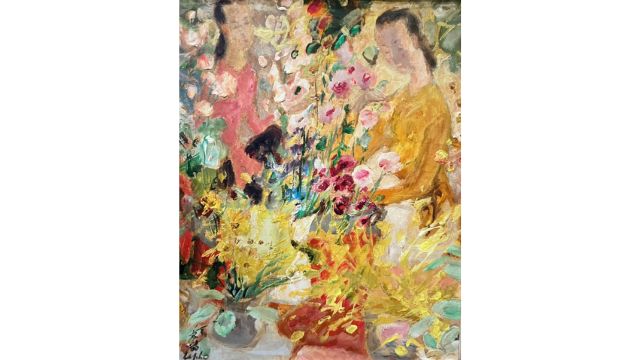
Lê Phô, Mai Thứ, and Vũ Cao Đàm lived in France and learned French artistic techniques but never forgot the Buddhas and spirits of Vietnam’s tradition.